Blog

How Much Does an Estate Cleanout Cost? A Clear Look at House Cleanout Prices

Benjamin Ehinger Benjamin Ehinger Benjamin Ehinger is a Florida-based content writer with 18 years of experience, specializing in dumpster rental and waste removal industry content. His strong research skills allow him to present clear, practical information on topics like pricing, container sizing, and job planning. 12 min read
If you’re facing a major cleanout due to a move, downsizing, or settling an estate, one of the first questions that comes up is how much does an estate cleanout cost. Unfortunately, many homeowners find conflicting numbers online, making it hard to budget accurately. Estate cleanouts, whole-house cleanouts, and general house cleanout services all fall under a broad category of work, but pricing varies widely depending on scope and conditions. This guide breaks down estate cleanout cost, whole house clean out cost, and overall house cleanout prices in a practical, transparent way. You’ll learn what’s typically included, why prices vary so much, and how clean out services pricing is actually determined in real-world situations.

Key Takeaways

  • Estate cleanout costs depend more on volume and labor than home value.
  • Whole house clean out cost increases with size, accessibility, and debris type.
  • Understanding pricing factors helps prevent surprise charges.

Understanding Estate Cleanout Costs

What Is Considered an Estate or Whole-House Cleanout?

An estate cleanout typically involves removing all remaining contents from a home after a death, move, or major life transition. This includes furniture, appliances, personal belongings, and accumulated household items. A whole house clean out is similar in scope, even if it is not related to an estate. It usually means clearing every room, garage, basement, attic, and any exterior storage areas. Unlike simple junk removal, estate and whole-house cleanouts are comprehensive projects. They require sorting, lifting, hauling, and disposing of a wide range of materials, which is why pricing differs significantly from smaller jobs.

Understanding Estate Cleanout Costs

Estate cleanouts can be a complex process, where costs can vary greatly depending on several factors. Understanding these costs requires taking into account everything from the size of the estate to the logistics involved in removing and disposing of items.

Factors Influencing Cleanout Expenses

Your expenses for an estate cleanout are influenced by several key factors:
  • Location: Your geographical location can significantly affect overall costs due to the cost of living and fuel costs in the area.
  • Size and number of rooms: More rooms typically mean more time and labor needed for sorting and hauling.
  • Accessibility: Easier access through wide doors or fewer stairs can decrease labor time and costs.
  • Junk removal services: The rates for professional services can vary, and might include disposal fees and charges for additional labor.
  • Time: The time frame for completing the cleanout can influence labor costs—last-minute requests may come with a premium.
  • Dumpster rental: If you need to rent a dumpster for waste, the rental cost and any related permits will add to your expenses.

Average Estate Cleanout Cost: General Price Ranges

The average cost of an estate cleanout typically falls within a broad range because no two homes are the same. As a general estimate:
  • Small or partial estate cleanouts often cost $500 to $1,500
  • Medium-sized homes typically range from $1,500 to $3,500
  • Large or heavily cluttered homes can exceed $5,000
These ranges reflect labor time, volume of material, and disposal requirements rather than the value of the home itself. When people search for house cleanout prices, they’re often surprised to learn that square footage alone does not determine cost. Two homes of the same size can have very different cleanout pricing.

Why Estate Cleanout Cost Varies So Widely

Estate cleanout cost is driven primarily by how much material needs to be removed and how difficult it is to remove it. A sparsely furnished home can cost far less than a smaller home filled with decades of accumulated belongings. Other factors include stairs, narrow hallways, basement access, and parking distance. These conditions affect labor time, which is one of the biggest drivers of clean out services pricing. Disposal requirements also matter. Homes containing heavy items, construction debris, or mixed waste streams often cost more to clear.

Estate Cleanouts vs Standard House Cleanouts

While estate cleanouts and house cleanouts are similar, estate cleanouts often involve additional complexity. Sorting items, handling sensitive belongings, and coordinating timelines with family members can extend labor time. That said, from a pricing standpoint, estate cleanout cost and whole house clean out cost are calculated using the same core factors. The difference is usually the scope, not the formula. Understanding this distinction helps set realistic expectations when comparing quotes.

What Clean Out Services Pricing Usually Includes

Clean out services pricing typically includes labor, loading, hauling, and disposal. In many cases, it also covers basic sweep-out once items are removed. What it usually does not include are deep cleaning services, repairs, or hazardous material handling unless specifically noted. Clarifying what’s included upfront is essential when evaluating house cleanout prices, especially for large projects.

Whole House Clean Out Cost by Home Size

While home size alone does not determine price, it provides a useful framework for understanding whole house clean out cost ranges. Larger homes typically contain more material, require more labor hours, and generate higher disposal fees.

Small homes or condos (1–2 bedrooms)

These cleanouts often involve fewer rooms and limited storage areas. When contents are moderate, pricing is usually on the lower end of the spectrum. Accessibility plays a big role here. Ground-level access and close parking can significantly reduce labor time.

Medium homes (3 bedrooms)

This is where pricing starts to vary widely. Basements, garages, and attics add substantial volume. A moderately furnished home may fall near average pricing, while long-term accumulation can push costs much higher.

Large homes (4+ bedrooms)

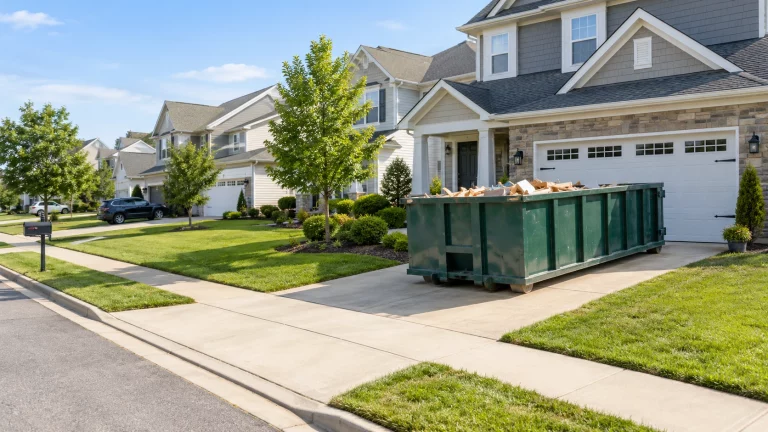
Large homes often include multiple storage areas and heavier furniture. The whole house clean out cost for these properties increases due to labor time, crew size, and hauling requirements. Multi-day cleanouts are more common in this category and may require a 30 yard dumpster rental . These ranges are not fixed prices, but they reflect how size influences scope and effort.

The Process of Estate Cleanouts

Estate cleanouts involve careful coordination and attention to detail, ensuring that each belonging in an estate is appropriately dealt with—whether kept, sold, or donated. Understanding the step-by-step procedures is essential to handle the assets efficiently and effectively.

Organizing and Sorting Items

Begin by organizing and sorting items from the estate. This initial step requires you to categorize belongings into groups such as furniture, appliances, clothing, jewelry, and memorabilia. Create clear distinctions between items to keep, sell, donate, or recycle. Consistent organization can greatly facilitate the subsequent stages of the cleanout process.

Inventory and Asset Identification

Following organization, conduct a thorough inventory of the estate’s assets. This critical phase involves itemizing valuable items for an estate sale or appraisal. Utilize the services of a professional appraiser, especially for items like jewelry and antiques, to determine their market value. Accurate asset identification lays the foundation for the estate’s financial management and distribution.

Selling, Donating, and Disposing of Assets

Decide whether to sell, donate, or dispose of the sorted assets. Furniture and appliances in good condition can be sold during an estate sale or to individual buyers. Clothing and other personal items are often suitable for donation. For valuable assets, consider hiring an experienced estate liquidator to manage the sales process. Remember that recycling is a viable option for items that are not suitable for sale or donation, as it is an environmentally responsible way to dispose of belongings that no longer serve a purpose.

Choosing the Right Cleanout Services

Estate Cleanout Services When faced with an estate cleanout, selecting the right professional junk removal service is crucial to ensure efficiency and ease. Understanding the factors that guide this choice will help you achieve the best results at a competitive price.
Evaluating Professional Cleanout Companies

Before you hire a removal service, diligently research potential companies. Look for a professional cleanout company with positive reviews and a solid track record. Ask for references and contact them to gauge the quality of service provided. It’s essential that any company considered provides a detailed contract and free estimate to clarify the scope and cost of their services. Ensure they have adequate insurance to protect against any damages during the cleanout process. A good practice is to obtain multiple quotes to compare services and prices.

Benefits of Hiring Professional Junk Removal

Choosing to hire professional junk removal services for an estate cleanout can significantly streamline the process. A professional junk removal company will handle the hauling and disposal of unwanted items, allowing you to focus on other aspects of the estate settlement. This convenience often justifies the cost, as it saves your personal time and effort. Additionally, professionals have the experience to navigate any complications that may arise and can often recycle or donate items, reducing the environmental impact of the cleanout.

Key Factors That Affect Clean Out Services Pricing

Clean out services pricing is driven by several variables beyond square footage. Understanding these factors helps explain why quotes can differ significantly.

Volume of items

The amount of material being removed is one of the biggest cost drivers. A lightly furnished home costs far less to clean out than a cluttered one of the same size.

Weight and type of debris

Heavy items such as appliances, furniture, and construction debris increase labor strain and disposal costs. Mixed materials may also require special handling.

Accessibility and layout

Stairs, narrow hallways, long carry distances, and limited parking all add time to the job. Labor-intensive conditions directly affect house cleanout prices.

Labor requirements

Some cleanouts require larger crews or extended timeframes. Estate cleanouts that involve sorting or staged removal often increase total labor hours.

Timeline constraints

Urgent cleanouts may require scheduling adjustments or additional manpower, which can affect pricing.

Why Pricing Increases in Certain Situations

Some conditions consistently raise estate cleanout cost and overall house cleanout prices. Homes with long-term accumulation often contain tightly packed items that require careful removal. Basements and attics with limited access add difficulty and slow progress. Items that cannot be disposed of easily, such as certain electronics or heavy debris, may increase disposal fees. The more complex the waste stream, the higher the overall cost tends to be. Understanding these factors helps explain why two cleanouts of similar size can have very different price points.

How Quotes Are Typically Calculated

Most cleanout pricing is based on labor time, volume, and disposal needs rather than a flat rate per room. Some providers estimate by truckload volume, while others assess the job in person and provide a comprehensive quote. Because of this, online price estimates are best used as rough planning tools rather than guaranteed costs. On-site evaluations usually produce the most accurate house cleanout prices. Knowing how pricing is calculated allows you to ask better questions when comparing options.

DIY vs Professional Estate Cleanout Cost Comparison

Many people consider handling a cleanout themselves to save money, but DIY costs are often underestimated. While avoiding labor fees sounds appealing, the hidden expenses add up quickly. DIY cleanouts typically involve multiple trips for disposal, equipment rentals, and significant time commitments. Dump fees, fuel, protective gear, and potential injury risk all factor into the real cost. For larger homes, DIY efforts can stretch over weeks. Professional cleanout services bundle labor, hauling, and disposal into one coordinated process. While the upfront estate cleanout cost may appear higher, it often proves more efficient and predictable than managing everything independently.

Common Pricing Mistakes to Avoid

One common mistake is assuming cleanout pricing is based solely on home size. As covered earlier, house cleanout prices depend far more on volume, access, and labor complexity. Another issue is failing to clarify what’s included in a quote. Some services exclude disposal fees or additional labor conditions, which can lead to unexpected charges. People also underestimate how emotionally and physically demanding cleanouts can be, especially during estate situations. Rushing decisions or underestimating scope often leads to poor cost comparisons. Getting a clear breakdown of clean out services pricing helps prevent these issues.

Frequently Asked Questions

When considering an estate cleanout, understanding the costs involved can help you budget effectively. Here are answers to common queries about pricing for these services.

What are typical fees for hoarder house cleanouts?

For hoarder house cleanouts, the cost can range broadly. You might spend a few hundred to several thousand dollars depending on the extent of clutter and the size of the property.

What is the estimated price range for clearing out a 3-bedroom house?

Clearing out a 3-bedroom house can vary in cost, but it could range from $500 to $2,000. Specifics like location, accessibility, and volume of items can influence the total price.

How do companies charge for home cleanouts after a death?

Companies may charge based on the volume of items to remove, the required labor for the job, and other factors such as the disposal fees for unwanted items after a death.

What is the average estate cleanout cost?

Estate cleanout cost typically ranges from $500 to $5,000+, depending on home size, volume, and labor requirements.

How much does a whole house clean out cost?

Whole house clean out cost increases with square footage, storage areas, and debris volume. Medium homes often fall between $1,500 and $3,500.

Why do house cleanout prices vary so much?

Prices vary due to volume, accessibility, labor time, debris type, and disposal requirements rather than just home size.

Is it cheaper to do a cleanout myself?

DIY cleanouts may cost less for very small jobs, but larger cleanouts often become more expensive once time, disposal fees, and logistics are considered.

What is usually included in clean out services pricing?

Pricing typically includes labor, hauling, disposal, and basic sweep-out. Deep cleaning or specialty disposal may cost extra.

How can I reduce estate cleanout costs?

Reducing volume, removing valuables ahead of time, and planning access can help lower overall costs.

A Few Final Things on Whole House Clean Out Costs and Estate Clean Out Costs

Understanding estate cleanout cost, whole house clean out cost, and realistic house cleanout prices is essential for planning major cleanouts without financial surprises. Pricing is driven by labor, volume, and logistics rather than home value or square footage alone. By knowing what clean out services pricing includes and recognizing the factors that increase costs, you can make informed decisions and avoid common mistakes. Whether handling a family estate or clearing a home for sale, realistic cost expectations make the entire process more manageable.