Marble vs. Butcher Block at a Glance
| Feature | Marble | Butcher Block |
| Appearance | Natural veining and polished or honed stone | Warm natural wood grain |
| Scratch resistance | Moderate; can scratch | Softer and more easily scratched |
| Acid resistance | Poor; acids can etch | Acids do not etch wood like marble |
| Water resistance | Good when properly maintained, but porous | Requires careful protection from prolonged moisture |
| Heat | Naturally heat resistant, but trivets are still recommended | Hot cookware can scorch or damage the finish |
| Repairability | Etches and scratches may require stone refinishing | Many scratches can be sanded and refinished |
| Maintenance | Gentle cleaning; sealing when appropriate | Finish-specific cleaning, oiling, or recoating |
| Installation | Usually professional | More DIY-friendly, but precision still matters |
What Does a Marble Countertop Look Like?
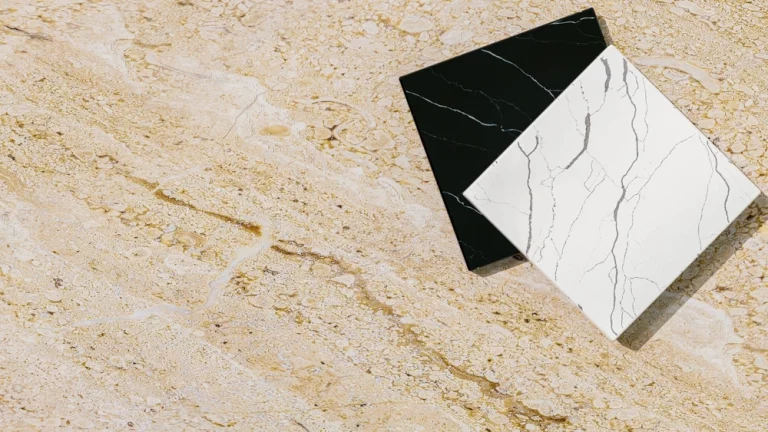
Marble is valued primarily for its natural variation. Popular varieties include:- Carrara
- Calacatta
- Statuario
- Emperador
What Does Butcher Block Look Like?
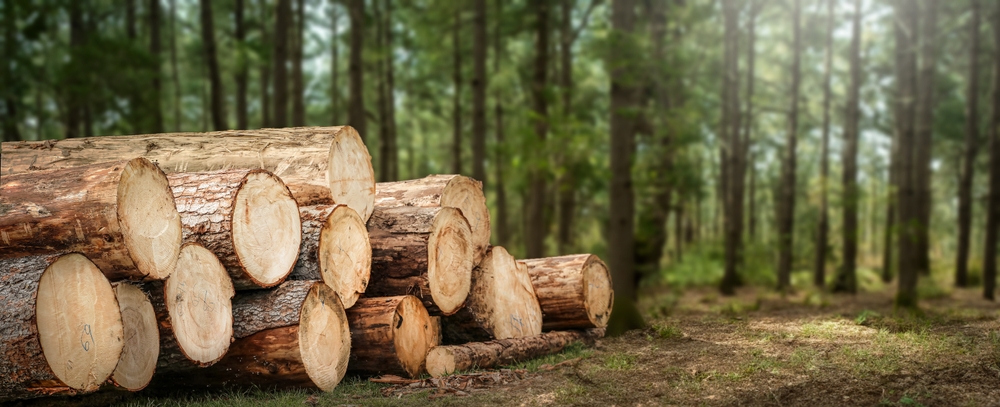
Butcher block creates a warmer and generally more casual appearance. Common woods include:- Maple
- Walnut
- Cherry
- Oak
- Beech
- Birch
Edge Grain
Long narrow strips of wood create a linear appearance and are common for countertops.End Grain
The ends of wood pieces face upward, producing a block or checkerboard appearance. Traditional chopping blocks frequently use this construction.Face Grain
Wider sections of the board face upward, emphasizing natural wood grain. The species, grain construction, stain, and finish can make butcher block look rustic, traditional, transitional, or modern.Which Countertop Is More Durable?
Marble generally resists dents better because it is stone, but durability is more complicated than simply asking which material is harder. Marble Can:- Scratch
- Chip at edges
- Stain
- Etch from acids
- Scratch
- Dent
- Scorch
- Stain
- Swell or warp if moisture problems are severe
Why Does Marble Etch?
Marble is primarily a calcium-carbonate stone. Acids react with that mineral composition. Common kitchen substances that can cause etching include:- Lemon juice
- Lime juice
- Vinegar
- Wine
- Some sodas
- Acidic cleaning products
Does Sealing Marble Prevent Etching?
No. This is one of the most important things to understand before buying marble. An impregnating sealer can make marble more resistant to staining, but it does not make marble acid-resistant. The Natural Stone Institute explains in its countertop sealing guidance that sealers act as repellents rather than creating an impenetrable surface. Acid can still react with the marble itself. That means a sealed countertop can still develop an etch mark from lemon juice.How Often Does Marble Need to Be Sealed?
There is no universal six-month schedule. Some marble benefits from sealing, while the specific product and stone determine how often treatment is appropriate. The Natural Stone Institute notes that quality modern sealers can have substantially longer expected service lives than older products. Follow:- Stone supplier recommendations
- Sealer manufacturer instructions
- Actual countertop performance
Is a Marble Stain the Same as an Etch Mark?
No. A stain involves discoloration caused by a substance penetrating or affecting the stone. An etch is physical or chemical damage to the finish caused by an acid reaction. Examples of substances that may stain natural stone include:- Cooking oil
- Coffee
- Tea
- Wine
- Rust
- Cosmetics
When Should Marble Be Professionally Restored?
Small superficial etches may sometimes respond to an appropriate marble polishing product. Larger areas, deep etching, scratches, or widespread dullness are better candidates for professional stone restoration. That distinction matters for homeowners searching locally for services such as marble etch removal in Arlington, VA, marble etch removal in Alexandria, VA, or marble stain removal in Arlington, VA. Ask whether the contractor is diagnosing:- A stain
- An etch
- A scratch
- Finish wear
How Does Butcher Block Handle Scratches?
Butcher block scratches more easily than stone. Fortunately, that is also one of its advantages. Minor scratches in many oil-finished wood countertops can be:- Sanded with the grain.
- Cleaned of sanding dust.
- Re-oiled or refinished.
Does Butcher Block Need to Be Oiled?
Some does. An unfinished or oil-finished butcher block surface needs regular conditioning to keep the wood from becoming excessively dry. For example, John Boos recommends oiling certain food-preparation wood surfaces approximately monthly, depending on use and household conditions. A dry appearance can also indicate that the wood needs oil. However, not every butcher block countertop uses an oil finish. Some are finished with:- Hardwax oils
- Film-forming finishes
- Polyurethane-type coatings
- Manufacturer-specific systems
Can You Cut Directly on Butcher Block?
Sometimes. An oil-finished butcher block specifically designed as a food-preparation surface may be suitable for direct cutting. A decorative wood countertop covered with a film finish should not automatically be treated as a cutting board. Direct cutting also intentionally creates knife marks. Many homeowners therefore use separate cutting boards even when their butcher block could technically serve as the cutting surface. That reduces refinishing and makes the countertop easier to keep attractive.Which Material Handles Water Better?
Marble generally tolerates routine water exposure better than wood, although marble remains porous and should be properly maintained. Water is one of butcher block’s biggest concerns. Pay particular attention around:- Sink cutouts
- Faucets
- Dishwashers
- Seams
- End grain
- Staining
- Swelling
- Warping
- Finish failure
Which Material Handles Heat Better?
Marble has considerably better natural heat resistance than wood. Even so, the Natural Stone Institute recommends trivets or mats for hot cookware because heat can affect certain stone installations or applied products. Butcher block can scorch or discolor from direct contact with hot pans. Use trivets on both materials.Can You Combine Marble and Butcher Block Countertops?
Yes, and the combination can work particularly well. A kitchen might use:- Marble on the perimeter with butcher block on the island
- Butcher block around general prep areas with marble at a baking station
- Mostly wood with a smaller marble work surface
How Much Do Marble Countertops Cost in 2026?
Current Angi data puts the average marble countertop project at approximately: $3,000 with a very broad project range of approximately: $600–$15,000 Material type, slab size, fabrication, edge work, installation complexity, and marble variety all influence price. Current marble countertop cost data also estimates marble material at roughly $15–$190 per square foot, before various installation expenses. Rare marble can cost substantially more than common material.How Much Does Butcher Block Cost in 2026?
Current Angi data puts many butcher block installations around: $1,200–$5,000 with an average project cost of about: $3,750 Installed costs commonly fall near: $50–$150 per square foot depending on wood species, grain construction, finish, thickness, cutouts, and labor. See the current butcher block countertop cost guide for additional pricing factors. This means butcher block is not automatically cheaper than marble. Budget maple or birch can be economical, while custom walnut, end-grain construction, or exotic woods can become expensive.Which Is Easier to Install?
Butcher block is generally more approachable for experienced DIY homeowners because woodworking tools can cut and fit the material on site. However, installation still requires precision around:- Sinks
- Corners
- Seams
- Appliances
- Wall irregularities
- Expansion
What Happens to the Old Countertops During Remodeling?
Countertop replacement can produce heavy and bulky material. Before demolition, determine whether old sections can be:- Reused
- Donated
- Salvaged
- Recycled
- Disposed of