Laminate vs. Soapstone Countertops at a Glance
| Feature | Soapstone | Laminate |
| Material | Natural stone | Decorative laminate bonded to a substrate |
| Appearance | Natural gray, charcoal, greenish or blue-gray stone | Hundreds of printed colors and stone patterns |
| Heat resistance | Excellent | Hot cookware requires protection |
| Water absorption | Extremely low | Surface resists water, but seams and substrate need protection |
| Scratch resistance | Relatively soft and scratch-prone | Resists normal wear but can scratch |
| Repairability | Many scratches can be sanded or blended | Deep cuts and burns are difficult to repair invisibly |
| Sealing | Normally unnecessary | No sealing required |
| Maintenance | Cleaning; optional oil or wax for appearance | Mild cleaning and basic precautions |
| Installed cost | About $70–$120/sq. ft. | Often considerably less |
| Weight | Heavy natural stone | Lightweight |
What Is Soapstone?
Soapstone is a metamorphic natural stone containing substantial amounts of talc along with other minerals. The amount and combination of those minerals influence:- Hardness
- Color
- Veining
- Texture
- Gray
- Charcoal
- Blue-gray
- Green-gray
- Nearly black after oiling
Is Soapstone Actually Nonporous?
Soapstone has extremely low absorption and is generally considered nonporous for normal countertop use. That gives it strong resistance to:- Water
- Wine
- Coffee
- Cooking oils
- Many household acids
- Chemicals
Does Soapstone Need Mineral Oil?
Mineral oil is optional. It is primarily an appearance treatment, not a necessary waterproofing treatment. Fresh soapstone commonly begins as a lighter gray. Oils from hands, cooking, and everyday use gradually darken certain areas. Applying mineral oil can:- Darken the entire countertop more quickly
- Reduce contrast between naturally darkened areas
- Accelerate a more uniform patina
Does Soapstone Scratch Easily?
Soapstone is one of the softer natural countertop stones. According to natural-stone industry guidance, soapstone typically falls around 1–4 on the Mohs hardness scale, depending on composition. That means knives, cookware, dishes, or other hard objects can scratch it. The good news is that the material is relatively forgiving. Minor scratches can frequently be:- Lightly sanded.
- Cleaned.
- Blended with surrounding stone.
- Oiled if that finish is being maintained.
Is Soapstone Heat Resistant?
Yes. Heat resistance is one of soapstone’s strongest properties. The Natural Stone Institute notes that soapstone has historically been used around fireplaces because of its ability to tolerate heat. That makes it well suited for areas around:- Cooktops
- Ranges
- Baking stations
What Is a Laminate Countertop?
Laminate is a manufactured decorative surface rather than solid stone. High-pressure laminate generally consists of layers of paper and resins compressed together under heat and pressure. A decorative printed layer creates the visible design. The laminate sheet is then bonded to a countertop core or substrate. Modern printing and texture technology can reproduce appearances inspired by:- Soapstone
- Marble
- Granite
- Quartzite
- Concrete
- Wood
Can Laminate Really Look Like Soapstone?
Yes. Laminate that looks like soapstone is currently available from major countertop-surface manufacturers. Wilsonart currently offers several specifically named soapstone designs, including:- Oiled Soapstone
- Pearl Soapstone
- Sable Soapstone
Is There Such a Thing as Soapstone Formica?
This search phrase requires a little clarification. Formica is a laminate brand, although people sometimes use the name generically when they mean laminate countertops. Formica currently manufactures numerous natural-stone-inspired patterns and textured finishes. Its current stone-look technology can reproduce the visual qualities of materials such as:- Marble
- Quartzite
- Granite
- Other dark stones
Does Soapstone-Look Laminate Perform Like Real Soapstone?
No. The design may look similar, but the materials have different physical properties. A soapstone laminate countertop does not gain real soapstone’s:- Heat resistance
- Solid-stone thickness
- Natural veining
- Sandable stone surface
- Patina
- Extremely low water absorption throughout the full slab
Can You Put a Hot Pan on Laminate?
Use a trivet or insulated hot pad. Laminate can tolerate ordinary kitchen conditions, but it is not designed for direct contact with very hot cookware. Formica specifically recommends protecting laminate from hot pans and heat-producing appliances. Heat can potentially cause:- Discoloration
- Surface damage
- Blistering
- Separation from the substrate
Does Laminate Scratch Easily?
Modern laminate is designed to resist ordinary household wear, but it is not scratch-proof. Use a cutting board rather than slicing food directly on the countertop. Avoid dragging:- Unglazed ceramic dishes
- Heavy cookware
- Small appliances with rough feet
Which Material Handles Water Better?
Soapstone has the advantage. Its near-zero absorption means water does not readily penetrate the stone. Laminate’s decorative surface is also easy to wipe clean and resistant to normal spills. The potential weakness is underneath. Water reaching the substrate through:- Seams
- Sink cutouts
- Damaged edges
- Failed caulk
Which Countertop Is Easier to Maintain?
Both are relatively straightforward, but in different ways.Soapstone Maintenance
Normal care generally involves:- Mild soap
- Water
- Soft cloths
Laminate Maintenance
Formica recommends:- A damp nonabrasive cloth
- Mild detergent
- Rinsing
- Drying
- Abrasive pads
- Steel wool
- Harsh scouring powder
- Direct hot pans
Are Soapstone Countertops Expensive?
Compared with laminate, yes. Current 2026 Angi data puts professionally installed soapstone at approximately: $70–$120 per square foot with typical total projects around: $2,100–$7,200. An average project is currently about: $2,850. Current soapstone countertop cost data shows that cost changes with:- Slab color
- Countertop size
- Edge profile
- Sink and cooktop cutouts
- Backsplash
- Installation complexity
How Much Do Laminate Countertops Cost in 2026?
Laminate remains one of the most affordable countertop categories. Current Angi data puts many professional laminate installations at approximately: $841–$1,748 total with an average material-and-installation planning figure around: $35 per square foot. Formica-brand countertops commonly run approximately $40–$80 per square foot depending on grade, fabrication, and installation. Current laminate countertop cost data also shows that custom fabrication and premium edges increase the budget. The cost difference can therefore be substantial.Soapstone Countertops Cost Comparison
For a hypothetical 30-square-foot kitchen:Soapstone
At $70–$120 per square foot: approximately $2,100–$3,600Laminate
At an average of about $35 per square foot: approximately $1,050 Actual bids can vary substantially, but the comparison illustrates why soapstone-look laminate appeals to homeowners who want the visual style without the natural-stone budget.Which Material Is Easier to Install?
Laminate is considerably more DIY-friendly. Prefabricated sections may be:- Cut
- Scribed
- Joined
- Installed
Slate vs. Soapstone Countertops: What’s the Difference?
Slate and soapstone are sometimes compared because both can produce dark, subdued natural-stone countertops. The Natural Stone Institute describes both as relatively soft dimension stones with strong chemical resistance. However, they are geologically and physically different.Soapstone
- Contains substantial talc
- Has extremely low absorption
- Feels smooth or soapy
- Handles heat exceptionally well
- Develops a dark patina
- Scratches relatively easily
Slate
- Has a layered or laminar structure
- Can be split into thin sheets
- Offers different textures and colors
- Can vary substantially by quarry
- May show edge or surface cleaving
Which Material Makes More Sense for a Busy Kitchen?
Choose soapstone when you prioritize:- Heat resistance
- Natural material
- Nonporous stone
- Repairability
- Patina
- Long-term character
- Low initial cost
- Large design selection
- Light weight
- Easy cleaning
- Faster installation
- DIY potential
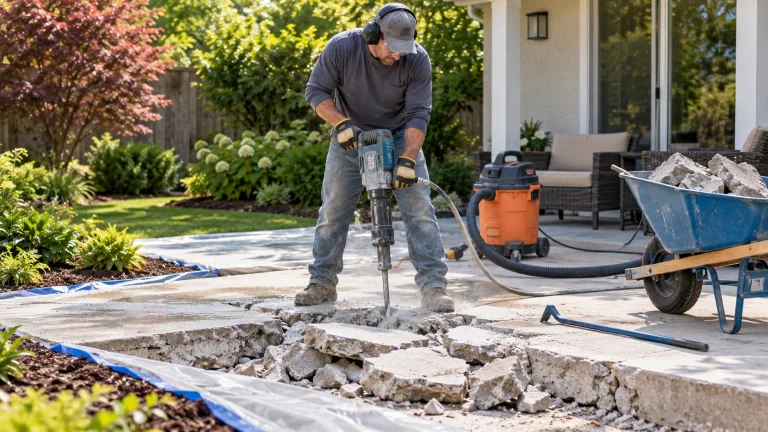
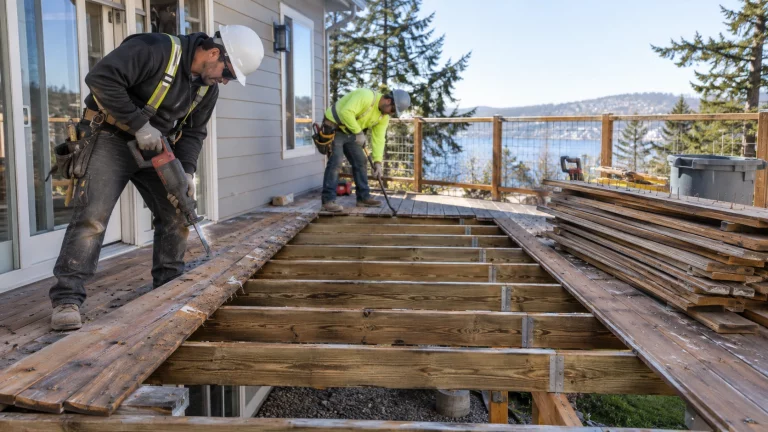
What Happens to the Old Countertop During Replacement?
Removing countertops can create:- Laminate
- Particleboard or plywood
- Sink cutouts
- Adhesives
- Backsplash material
- Old cabinetry
- Stone fragments