What Should a Resort Renovation Accomplish?
Every resort renovation should begin with a clearly defined business and guest-experience objective. Possible goals include:- Modernizing outdated rooms
- Correcting maintenance problems
- Improving accessibility
- Updating a property’s brand standards
- Increasing energy efficiency
- Improving arrival and check-in
- Expanding amenities
- Repositioning the resort for a different market
- Upgrading pools and outdoor areas
- Improving restaurants or entertainment spaces
- Guest reviews
- Maintenance records
- Room-condition reports
- Staff feedback
- Guest complaints
- Utility use
- Accessibility deficiencies
- Revenue performance by room type
- Amenity usage
What Is a Property Improvement Plan?
A Property Improvement Plan, commonly called a PIP, is often associated with branded hotel and resort properties. A PIP can identify improvements needed to:- Maintain brand standards
- Change brands
- Renew a franchise relationship
- Reposition a property
- Complete a transaction
- Guest rooms
- Bathrooms
- Corridors
- Lobby spaces
- Exterior finishes
- Signage
- Restaurants
- Fitness areas
- Pools
- Furniture, fixtures, and equipment
How Should an Occupied Resort Renovation Be Phased?
Occupied properties usually benefit from keeping construction concentrated rather than scattering work throughout the resort. Common phasing methods include:- One floor at a time
- One wing at a time
- Groups of vertically stacked rooms
- One building at a time
- One public area at a time
- Inspected.
- Cleaned.
- Tested.
- Turned back over to operations.
- Reoccupied before the next area comes offline.
Protect the Guest Experience During Construction
Guests may tolerate knowing a renovation is underway. They are much less tolerant of:- Early-morning drilling
- Construction dust in corridors
- Blocked elevators
- Confusing detours
- Workers moving debris through crowded lobbies
- Unexpected amenity closures
- Defined construction hours
- Separate worker entrances
- Dedicated freight-elevator periods
- Protected debris routes
- Temporary directional signs
- Guest-free material staging
- Noise-sensitive scheduling
- Temporary amenity locations
Build a Hotel Room Renovation Checklist
Guest rooms contain dozens of components, so a written hotel room renovation checklist helps keep rooms consistent from one construction phase to the next. Review each room for:Interior Finishes
- Flooring
- Paint and wall coverings
- Baseboards and trim
- Ceilings
- Window treatments
Furniture
- Bed systems
- Headboards
- Nightstands
- Desks
- Seating
- Luggage storage
- Closets
Electrical and Technology
- Lighting
- Bedside controls
- Receptacles
- USB or charging locations
- Television connections
- Wi-Fi equipment
- Thermostats
Bathroom
- Shower or tub
- Toilet
- Vanity
- Mirror
- Lighting
- Plumbing fixtures
- Grab bars where required
- Flooring
- Exhaust ventilation
Final Room Turnover
- Test plumbing.
- Test electrical equipment.
- Verify HVAC operation.
- Inspect finishes.
- Complete punch-list repairs.
- Deep clean.
- Confirm room inventory.
- Release the room to hotel operations.
Improve Accessibility During Hotel Renovations
Accessibility should be reviewed before finalizing the design. The Department of Justice explains that alterations affecting the usability of lodging facilities generally need to comply with applicable ADA requirements to the maximum extent feasible. That can affect elements such as:- Guest-room doors
- Bathrooms
- Routes through public areas
- Counters
- Signs
- Meeting spaces
- Accessible guest rooms
Which Guest-Room Renovations Improve the Experience Most?
High-impact improvements often solve ordinary frustrations rather than adding extravagant features. Useful renovation ideas that enhance hotel guest experience include:- Better bedside lighting
- Convenient device charging
- Improved blackout curtains
- Quieter HVAC equipment
- Better mattresses
- More useful luggage space
- Improved bathroom lighting
- Easy-to-operate shower controls
- Better acoustic separation
- More accessible outlets
- Reliable Wi-Fi coverage
Upgrade Lobbies for Both Arrival and Use
Modern resort lobbies frequently serve several purposes. They may function as:- Reception
- Waiting area
- Social space
- Work area
- Lounge
- Informal meeting area
- Connection to food and beverage
- Check-in queues
- Luggage movement
- Bell services
- Elevator traffic
- Restaurant circulation
- Group arrivals
- Seating demand
Plan Restaurant and Bar Renovations Around Operations
Food-and-beverage work can affect revenue and guest satisfaction significantly. Before closing a venue, determine whether service can move temporarily to another area. A restaurant renovation may include:- Dining-room finishes
- Bar replacement
- Kitchen equipment
- Lighting
- Acoustics
- Seating layouts
- HVAC
- Plumbing
- Electrical systems
- Accessibility improvements
Include Outdoor Areas in the Resort Plan
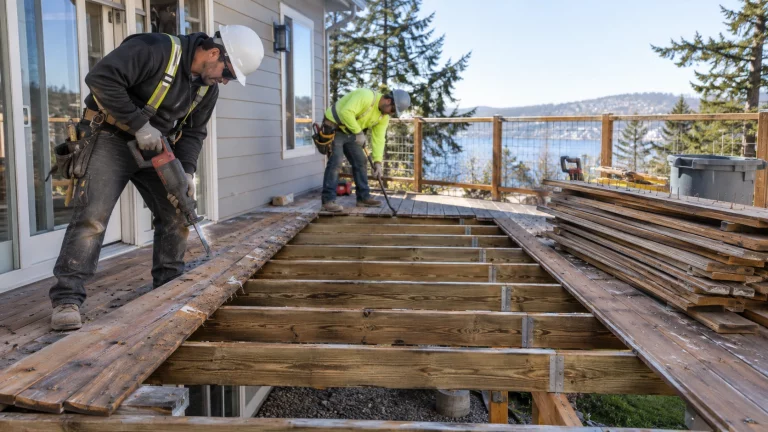
Resort and hotel exterior renovation is often just as important as room improvements. Exterior scope may include:- Building façades
- Roofing
- Windows
- Balconies
- Walkways
- Pools
- Decks
- Landscape areas
- Outdoor dining
- Lighting
- Drainage
- Parking
- Arrival areas
Coordinate Energy Improvements with Renovation Work
Opening walls, ceilings, and guest rooms creates opportunities to improve energy performance without returning later. ENERGY STAR identifies lodging opportunities including:- LED lighting
- Occupancy controls
- Efficient water heating
- Improved lighting controls
- Daylighting strategies
- HVAC controls
- Building-envelope repairs
- Low-flow plumbing fixtures
- Efficient kitchen equipment
Control Dust and Construction Debris
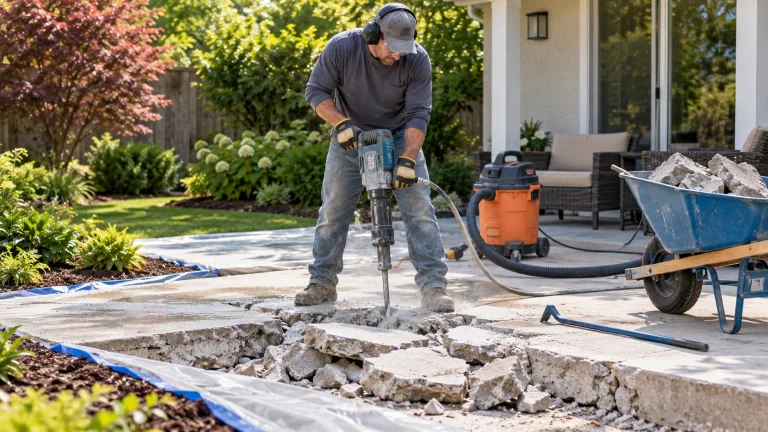
Hospitality construction creates an unusual challenge because demolition can be occurring only a short distance from occupied guest areas. Use controlled construction zones and appropriate dust-management methods. Work involving materials such as:- Concrete
- Brick
- Stone
- Tile
- Wet cutting
- Local dust collection
- HEPA-filtered vacuums
- Containment barriers
- Negative-air strategies
How Do You Choose a General Contractor for Resorts?
A general contractor for resorts needs more than general commercial construction experience. Ask prospective contractors about experience with:- Occupied hotels
- Guest-room phasing
- Night or restricted work hours
- Brand requirements
- Hospitality procurement
- FF&E installation
- Dust containment
- Guest circulation
- Public-area renovations
- Resort exterior work
- Licensing
- Insurance
- Safety record
- Project-management systems
- Staffing
- Superintendent experience
- Change-order procedures
Plan Procurement Earlier Than You Think
Hospitality renovations can involve hundreds of identical or coordinating items. Examples include:- Beds
- Casegoods
- Carpet
- Lighting
- Plumbing fixtures
- Doors
- Hardware
- Tile
- Upholstery
- Window treatments
- Approval
- Fabrication
- Shipping
- Storage
- Delivery
- Installation
Build a Realistic Contingency Into the Budget
Existing buildings contain surprises. Renovation can expose:- Water damage
- Mold
- Corrosion
- Outdated wiring
- Failed plumbing
- Structural deterioration
- Asbestos-containing material
- Lead-based paint