What Is Junk Removal Used For?
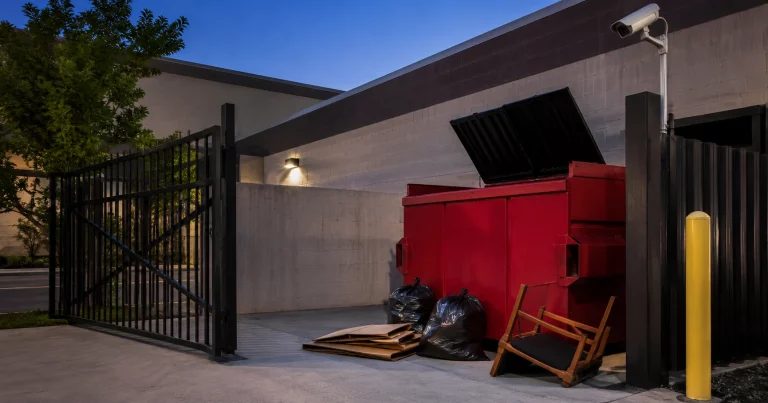
 Junk and trash removal is most useful when unwanted material has outgrown regular household trash service.
Common projects include:
- Garage cleanouts
- Basement cleanouts
- Attic cleanouts
- Shed and storage cleanouts
- Estate cleanouts
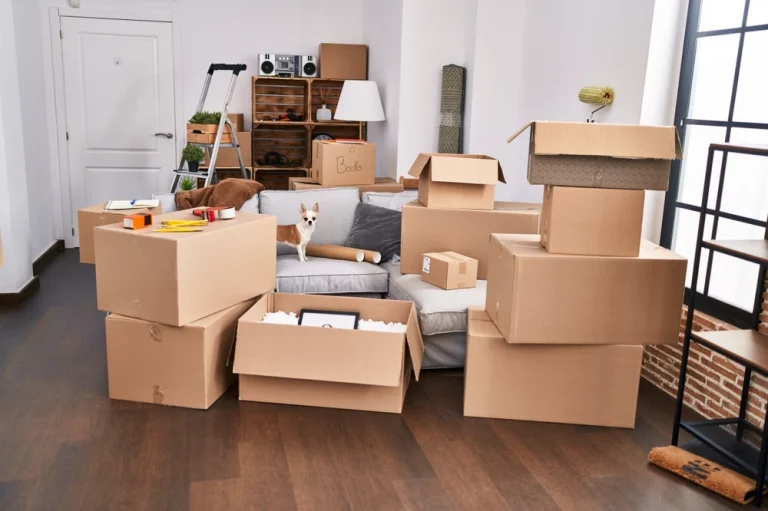
- Moving cleanouts
- Rental property turnovers
- Decluttering projects
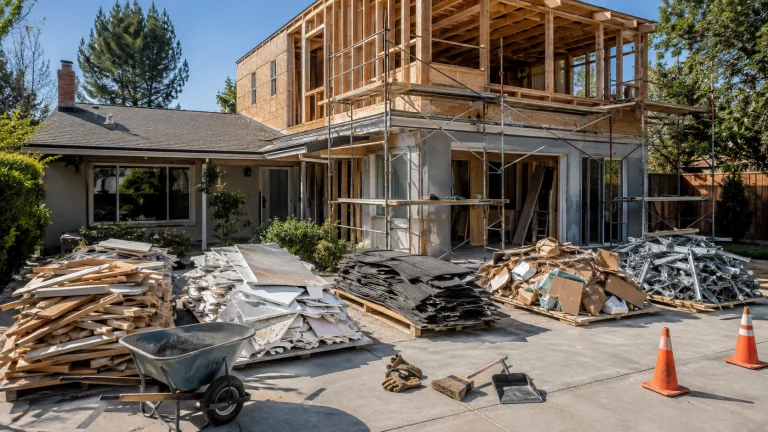
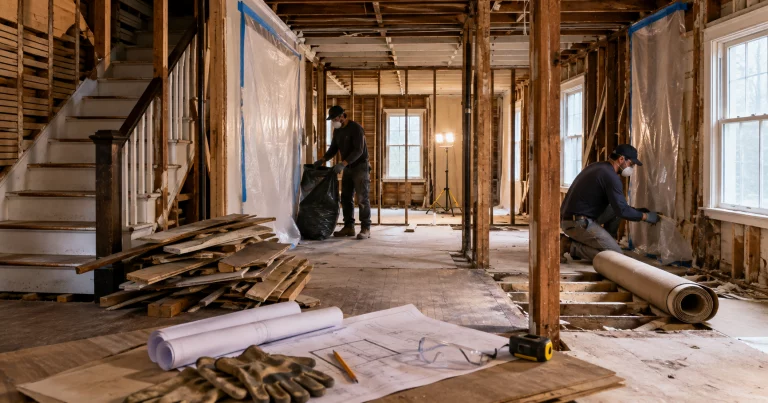
- Home renovation cleanup
- Storm or yard debris cleanup
- Old furniture and household item removal
- Small business or office cleanouts
Junk Removal in the USA: Why Local Rules Matter
Junk removal in the USA is not handled the same way in every city, county, or state. Local rules can affect what can go in regular trash, what must be recycled, what requires drop-off at a special facility, and what needs advance scheduling. For example, one community may allow bulky furniture pickup on certain days, while another may require an appointment or private disposal plan. Some areas have electronics recycling programs, appliance recycling events, household hazardous waste collection days, or separate rules for construction debris. Before starting a major cleanup, check:- Local bulky item pickup rules
- Accepted recycling materials
- Electronics disposal options
- Appliance and refrigerant requirements
- Yard waste rules
- Construction debris rules
- Household hazardous waste drop-off schedules
- Weight limits and disposal fees
- HOA or property access restrictions
Residential Junk Removal: What to Sort First
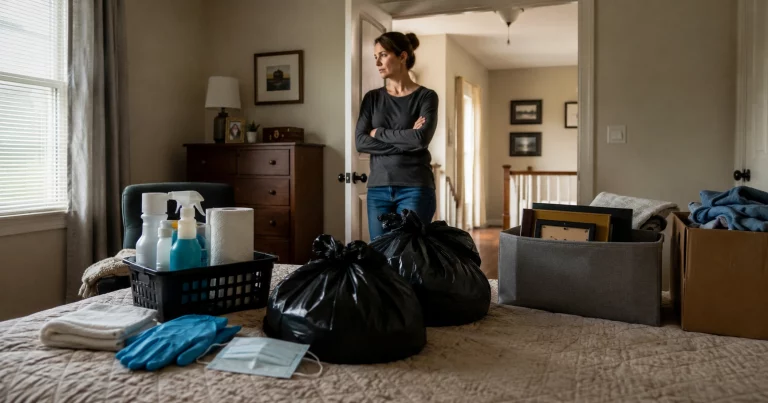
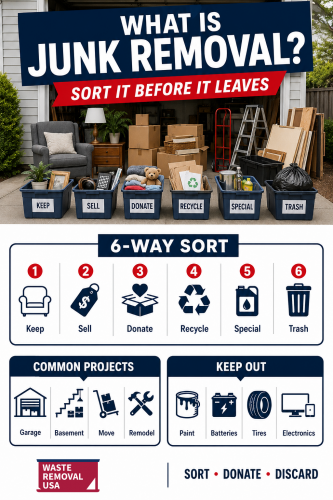
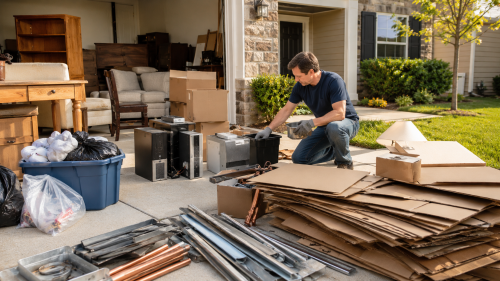 Residential junk removal often starts in one room but quickly becomes a whole-property project. The best way to stay organized is to sort by material and destination.
Keep
Keep only items that have a purpose, a place, and a realistic chance of being used.Sell
Furniture, tools, collectibles, appliances, equipment, and building materials may have resale value if they are clean, safe, and functional.Donate
Usable clothing, furniture, household goods, books, toys, and small appliances may be accepted by charities or reuse centers. Call first because organizations have condition and safety rules.Recycle
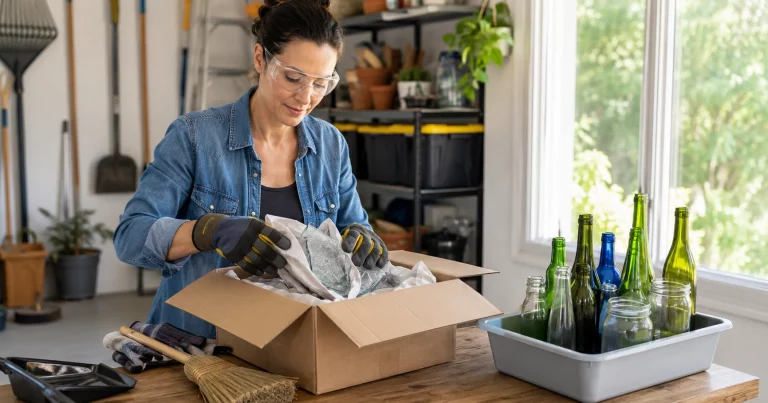
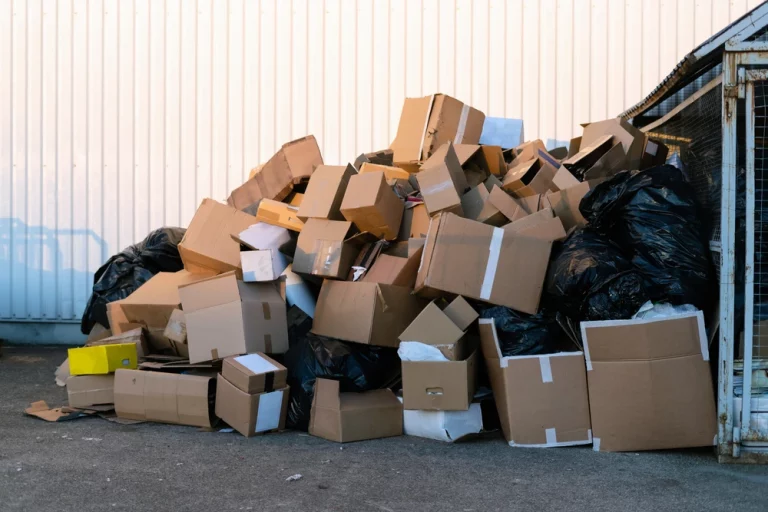
Cardboard, scrap metal, certain plastics, some electronics, and appliances may have recycling options. Our guide to scrap metal removal can help with projects involving metal shelving, tools, fencing, appliances, or equipment.Special Handling
Paint, pesticides, batteries, fuels, motor oil, solvents, propane cylinders, fluorescent bulbs, and some electronics should not be mixed into general trash. The EPA’s household hazardous waste guidance notes that products such as paints, cleaners, oils, batteries, and pesticides may contain hazardous ingredients and need special care.Trash
Trash is what remains after reusable, recyclable, and restricted materials have been separated.Dumpster Rental vs. Full-Service Junk Removal
Many people use “junk removal services in the USA” as a general search phrase, but not every cleanup needs the same solution. Full-service junk removal usually means a crew arrives, loads items, and hauls them away. That can be convenient for a few bulky items, but it may not be the best fit for a project where you want to sort gradually, work over several days, control what leaves the property, or handle renovation debris. A residential dumpster rental gives you a container on site so you can load approved debris at your own pace. It is often more practical for garage cleanouts, moving cleanouts, estate projects, renovation debris, flooring removal, roofing debris, and other jobs where material will come out in stages. The right choice depends on:- How much material you have
- Whether you need time to sort
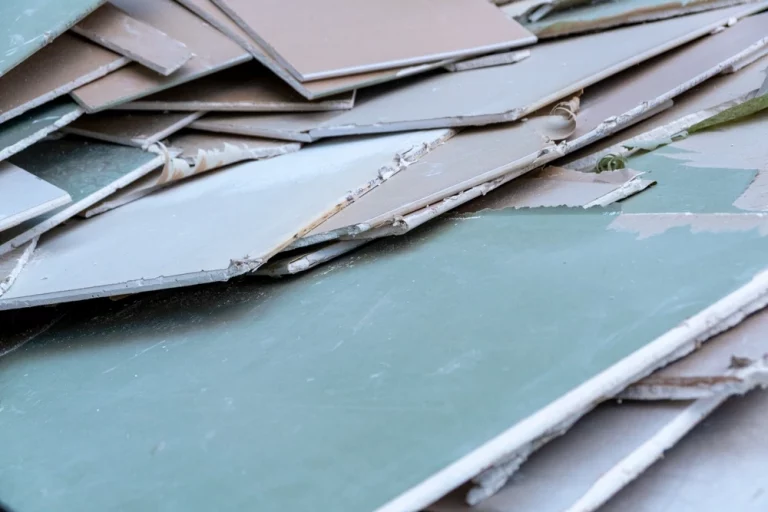
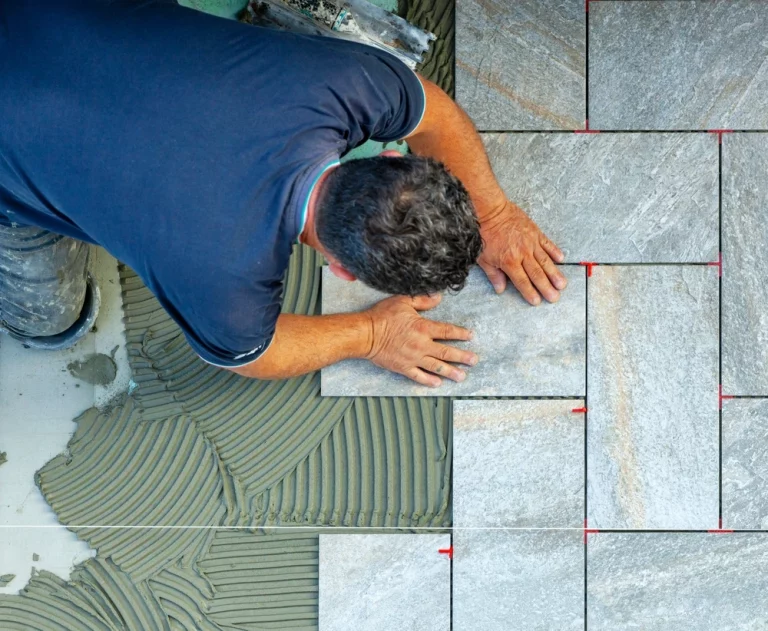
- Whether the project involves debris from repairs or remodeling
- How much lifting you can safely do
- Whether you have driveway or job-site space
- Whether donation, recycling, or special handling is part of the plan
What Usually Cannot Go with Ordinary Junk and Trash
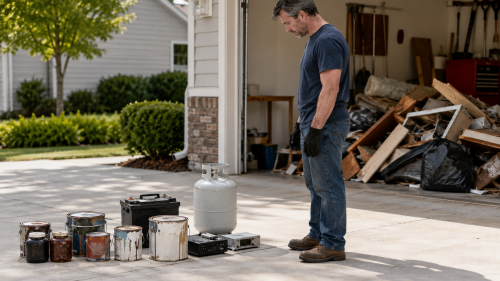 One of the biggest mistakes in junk removal is assuming everything can go into one load.
Restricted items vary by location and facility, but common examples include:
- Wet paint
- Fuels and solvents
- Motor oil and antifreeze
- Pesticides and pool chemicals
- Propane tanks
- Batteries
- Tires
- Refrigerators with refrigerant
- Certain electronics
- Asbestos-containing materials
- Medical waste
- Explosives or ammunition
How to Compare Junk Removal Providers Based on Feedback
If you are comparing junk removal providers based on feedback, do not look only at the star rating. Look for review patterns that tell you how the provider handles real projects. Useful feedback mentions:- Clear pricing
- On-time delivery or pickup
- Respect for property
- Helpful communication
- Accurate size or project guidance
- No surprise fees
- Ability to handle the stated debris type
- Clean driveway or job-site practices
- Good support when plans change
How Waste Removal USA Fits into Junk Removal USA Searches
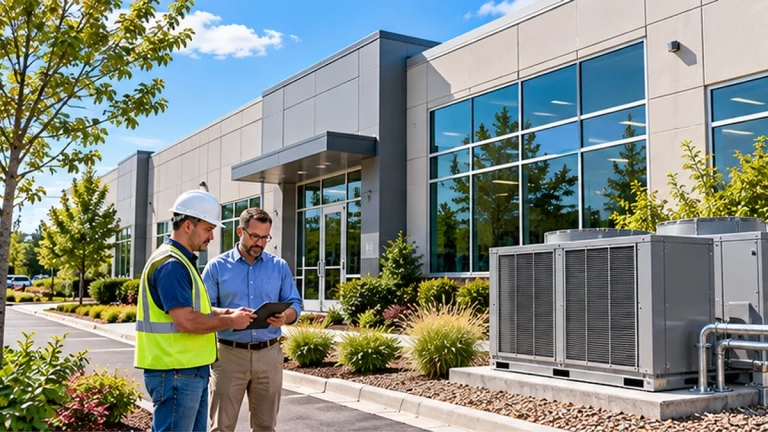
People sometimes search for “junk removal USA” when they are really looking for a nationwide or multi-location solution for unwanted material. Waste Removal USA is focused on container-based cleanup support for residential and commercial projects across many service areas. That means the customer stays in control of the project. You can sort items, load approved debris, separate donation or recycling items, and work at a pace that fits the cleanup. For local availability, pricing, and contact details, use the Waste Removal USA get a quote page or the local service areas page. Those are better destinations than searching for a contact address inside a blog post.A Simple Junk Removal Plan for Homeowners
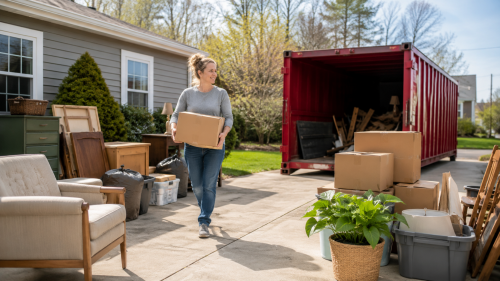 A successful cleanup starts before anything is carried outside.
- Choose the project area.
- Create categories for keep, sell, donate, recycle, special handling, and trash.
- Remove personal documents and valuables first.
- Separate hazardous or restricted materials.
- Break down cardboard and bulky items when safe.
- Keep heavy items low and avoid overloading bags or boxes.
- Confirm where appliances, electronics, tires, and chemicals can go.
- Load only approved debris into the container or vehicle.
- Sweep and reorganize the cleared space before bringing items back.