

1. Seal Air Leaks
Air sealing is one of the first energy upgrades to consider in a drafty house. Uncontrolled outdoor air can enter through gaps around plumbing and electrical penetrations, attic access points, rim joists, doors, windows, and other openings in the building envelope. Conditioned indoor air escapes through many of the same pathways. ENERGY STAR estimates that homeowners can save an average of about 15% on heating and cooling costs when air sealing is combined with appropriate insulation improvements in attics, crawl spaces, and accessible basement areas. Common air-sealing materials include appropriate caulk, weatherstripping, and approved sealants. Larger or difficult-to-reach leakage areas may require professional evaluation. Do not seal combustion-air openings or ventilation components without understanding their purpose. Homes with fuel-burning appliances may require professional combustion-safety evaluation when substantial air sealing is performed.2. Improve Attic and Other Insulation
Insulation slows heat transfer between conditioned living areas and the outdoors or unconditioned parts of the home. Attics are often a practical place to investigate first because insulation levels may be visible and accessible. Depending on the house and climate, improvements may also involve floors over crawl spaces, basement rim joists, walls, or other parts of the thermal envelope. Air leaks should generally be addressed before insulation is added over them. Insulation requirements and recommended R-values vary by climate, construction type, and location within the building. Use guidance appropriate to your climate rather than assuming that one insulation level works everywhere. ENERGY STAR provides a DIY air-sealing and insulation guide for homeowners evaluating accessible areas.3. Seal and Insulate Ductwork
Leaky ducts can waste conditioned air before it reaches the rooms you are trying to heat or cool. ENERGY STAR reports that about 20%–30% of the air moving through a typical residential duct system can be lost through leaks, holes, or poor connections. Ducts running through attics, garages, crawl spaces, or other unconditioned areas deserve particular attention. Accessible joints can sometimes be sealed with duct mastic or approved foil-backed tape. Ordinary cloth-backed “duct tape” is not considered a durable duct-sealing solution. Duct problems can also affect indoor air quality and, in homes with combustion appliances, potentially interact with pressure and venting conditions. Complicated systems are best evaluated by an HVAC professional.4. Upgrade to an Efficient Heat Pump
A modern heat pump can provide both heating and air conditioning. The Department of Energy says today’s air-source heat pumps can reduce electricity use for heating substantially compared with electric resistance systems such as electric furnaces and baseboard heaters. Modern equipment is also available for colder climates. That does not mean replacing a working HVAC system automatically produces the best financial return. Climate, utility rates, current fuel type, duct condition, home insulation, equipment sizing, and installation quality all affect results. Address major air leakage and duct problems before sizing new equipment. An oversized or poorly installed high-efficiency system may perform worse than expected. Look for appropriately sized ENERGY STAR certified heating and cooling equipment and qualified installation.5. Install an ENERGY STAR Certified Smart Thermostat
A smart thermostat can reduce unnecessary heating and cooling by adjusting temperature settings based on schedules, occupancy patterns, or remote controls. ENERGY STAR certified smart thermostats must demonstrate energy savings using actual field data rather than simply offering Wi-Fi connectivity. Compatibility matters. Heating systems, heat pumps, multi-stage equipment, zoning systems, and homes without a common thermostat wire can require different controls. A smart thermostat also cannot correct oversized HVAC equipment, poor insulation, leaking ducts, or other underlying performance problems. Think of it as a control upgrade rather than a substitute for improving the home itself.6. Replace an Aging Electric Water Heater with a Heat-Pump Water Heater
A heat-pump water heater moves heat from the surrounding air into the water rather than relying primarily on electric resistance heating. ENERGY STAR reports that certified models can use roughly one-quarter of the energy of a standard electric water heater, depending on the model and operating conditions. Installation location matters. Heat-pump water heaters need adequate surrounding air and can cool and dehumidify the space where they operate. Noise, condensate drainage, electrical requirements, ceiling height, room volume, and household hot-water demand should all be considered. Do not replace a recently installed efficient system solely because heat-pump technology exists. Compare expected operating costs and replacement timing first.7. Upgrade Old Windows When Replacement Is Already Needed
Energy-efficient windows can reduce unwanted heat loss and heat gain, particularly when replacing inefficient single-pane units. ENERGY STAR says replacing single-pane windows with certified models can lower household energy bills by an average of up to 13%, although actual results depend on climate and the existing windows. Choose products for the local climate. U-factor describes resistance to heat transfer, while solar heat gain coefficient helps indicate how much solar heat passes through the window. Window replacement is relatively expensive, so fix simple air leakage and insulation problems first when the existing windows are otherwise serviceable. If replacement is part of a larger project, Waste Removal USA’s home renovation planning guide can help organize the work.8. Improve Exterior Doors and Weatherstripping
An old exterior door can allow air leakage around its frame, threshold, or weatherstripping even when the door itself remains structurally sound. Start by identifying where air is getting through. New weatherstripping, an appropriate door sweep, adjustment of the latch, or sealing around the frame may improve performance without replacing the entire unit. When replacement is necessary, ENERGY STAR certified doors are rated for energy performance based on factors that include insulation and the amount of glass. Proper installation matters just as much as the door itself. Gaps around a high-performance door can undermine its efficiency.9. Replace Frequently Used Bulbs with LEDs
LED lighting remains one of the simplest energy upgrades in many homes. LEDs use substantially less electricity than traditional incandescent lighting and last much longer, which reduces both energy use and replacement frequency. Start with frequently used fixtures, because bulbs that operate for several hours per day offer more savings opportunity than rarely used lights. Match the bulb to the fixture. Check brightness, color temperature, dimmer compatibility, and whether the bulb is rated for enclosed or damp locations when necessary. When bulbs eventually fail, disposal depends on lighting type and local rules. Our light bulb disposal guide explains why mercury-containing fluorescent lamps require different handling from LEDs and incandescent bulbs.10. Choose Efficient Appliances When Existing Ones Need Replacement
Replacing a working appliance early solely to obtain a more efficient model does not always make financial sense. But when a refrigerator, dishwasher, freezer, clothes washer, or other major appliance reaches replacement time, energy use should be one of the purchasing factors. ENERGY STAR certified products must meet efficiency specifications for their particular product category. Compare the yellow EnergyGuide labels on appliances when available. They provide estimated annual energy consumption and operating-cost information that can make similar models easier to evaluate. Also buy for the household’s actual capacity needs. An unnecessarily oversized refrigerator or other appliance can increase both purchase price and ongoing energy use.11. Consider a Heat-Pump Clothes Dryer
A heat-pump dryer recirculates heated air in a closed-loop system rather than continuously exhausting heated air outdoors. ENERGY STAR says these dryers can use considerably less electricity than conventional electric dryers, although savings depend on usage and the model selected. Many are ventless, which can make them useful in locations where installing a conventional exhaust duct would be difficult. They do require a way to manage condensed water, either through a drain connection or a collection reservoir. Heat-pump dryers may also operate differently from conventional models, so compare capacity, cycle time, electrical requirements, maintenance, and installation needs before buying.12. Choose an ENERGY STAR Electric or Induction Range When Remodeling
If the kitchen is already being remodeled or the cooking equipment needs replacement, efficient electric cooking is another option to evaluate. ENERGY STAR certified electric cooking products are currently available, including qualifying ranges and cooktops. ENERGY STAR reports that certified electric cooking products are about 18% more efficient on average than standard electric models. Induction cooking transfers energy directly into compatible cookware using electromagnetic energy. It can heat quickly while putting less waste heat into the kitchen than conventional cooking methods. Electrical capacity may need to be evaluated when changing from another fuel or upgrading equipment. Electrical circuit and panel work should be performed according to local code requirements.13. Install WaterSense Showerheads and Faucet Aerators
Reducing hot-water use also reduces the energy needed to heat that water. EPA WaterSense labeled showerheads use no more than 2.0 gallons per minute while meeting performance criteria. EPA estimates that replacing one conventional showerhead with a WaterSense model can save an average family about 2,700 gallons of water annually while also reducing water-heating energy. WaterSense labeled bathroom faucets and aerators can also reduce flow while maintaining performance. This makes water-efficient fixtures a relatively inexpensive way to address both water consumption and household energy use.14. Upgrade to an ENERGY STAR Ceiling Fan
A ceiling fan does not cool the air like an air conditioner. Instead, moving air across people can make a room feel more comfortable, which may allow less dependence on air conditioning under appropriate conditions. ENERGY STAR certified fan-and-light combinations can be significantly more efficient than conventional models. Turn ceiling fans off when a room is unoccupied because the cooling benefit is primarily for people rather than the empty room. Proper fan sizing and installation also matter. Use equipment rated for the location, particularly on porches and in damp or wet areas.15. Improve Window Performance with Storm Windows or Efficient Shades
Complete window replacement is not the only way to improve window performance. The Department of Energy identifies options such as storm windows, cellular shades, interior window panels, and other attachments that can reduce heat transfer or unwanted solar gain when selected for the climate and window orientation. This can be especially useful when existing windows are still functional but inefficient. The best attachment depends on climate. Insulating treatments can help in heating-dominated climates, while solar-control products may be more valuable where cooling loads dominate. Do not assume any curtain or blind automatically saves energy. Product design, fit, window orientation, and how the covering is operated all affect performance.What About Rooftop Solar Panels?
Solar panels can reduce the amount of electricity a household purchases from the grid, but they are technically an energy-generation upgrade rather than an energy-efficiency upgrade. They do not make the house require less energy to perform the same functions. For many homes, it makes sense to improve efficiency first. Air sealing, insulation, ducts, HVAC, water heating, and other upgrades can reduce electricity demand before a solar system is sized. Homeowners should also be aware that the federal Residential Clean Energy Credit changed. According to the IRS Residential Clean Energy Credit guidance, qualifying expenditures were covered through December 31, 2025, and the credit is not available for property placed in service after that date. Solar economics in 2026 therefore depend more heavily on installation costs, electric rates, local incentives, utility policies, roof conditions, and the amount of electricity the household can offset.Are Federal Energy-Efficiency Tax Credits Still Available in 2026?
The major homeowner tax credits referenced in many older energy-efficiency articles have expired for new 2026 projects. The IRS instructions for residential energy credits state that the Energy Efficient Home Improvement Credit cannot be claimed for property placed in service after December 31, 2025. The Residential Clean Energy Credit also ended for qualifying expenditures after December 31, 2025. However, rebates may still be available. The Department of Energy’s Energy Savings Hub directs homeowners to current Home Energy Rebates administered by participating states, territories, and Tribes. Availability, income requirements, eligible equipment, rebate amounts, and program status vary by location. Utilities and local governments may offer additional rebates, so check current programs before ordering expensive equipment rather than assuming an incentive will apply later.Which Energy Upgrades Should You Do First?
Start with the improvements that address the home’s largest actual problems. A useful general sequence is:- Evaluate the house and energy use.
- Find major air leaks.
- Improve insulation where needed.
- Evaluate duct leakage.
- Address heating and cooling equipment when replacement is appropriate.
- Evaluate water heating.
- Replace appliances and lighting as they reach replacement time.
- Consider more expensive envelope improvements such as windows where justified.
- Evaluate renewable generation after reducing avoidable energy use.
Plan for Waste From Larger Energy Upgrades
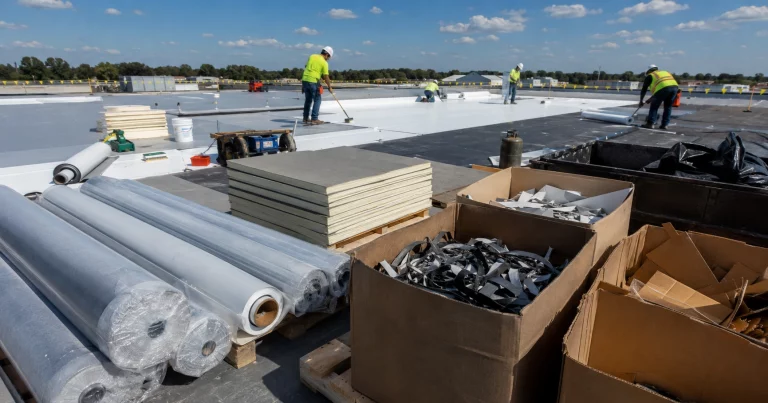
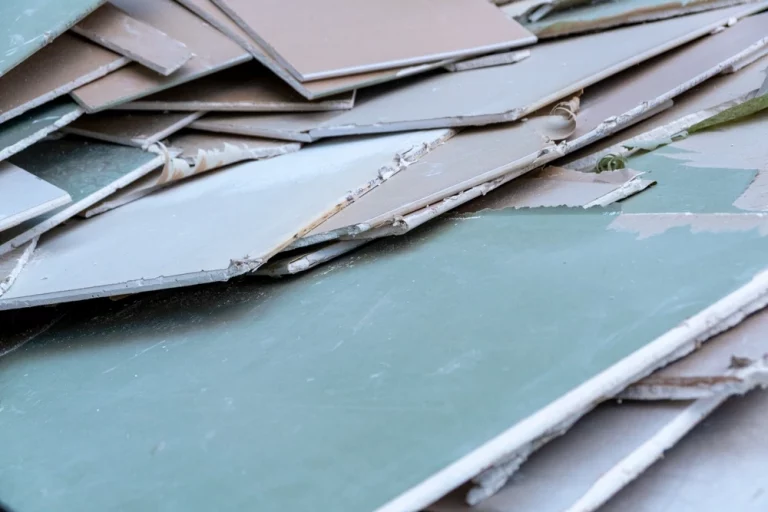
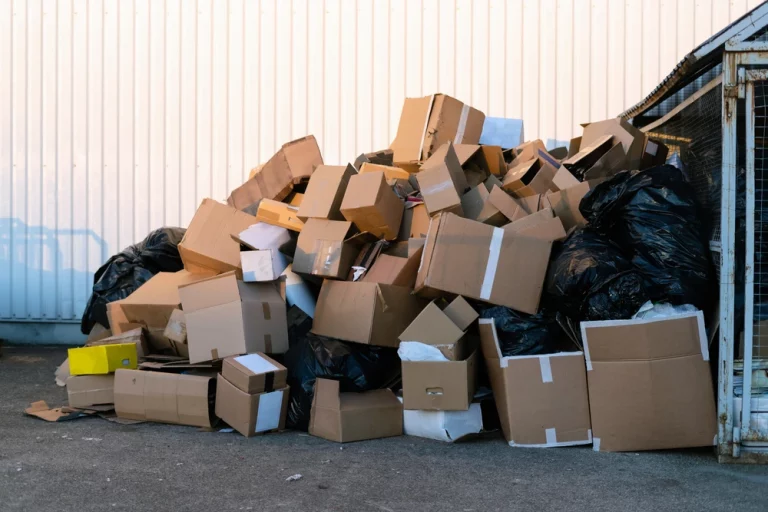
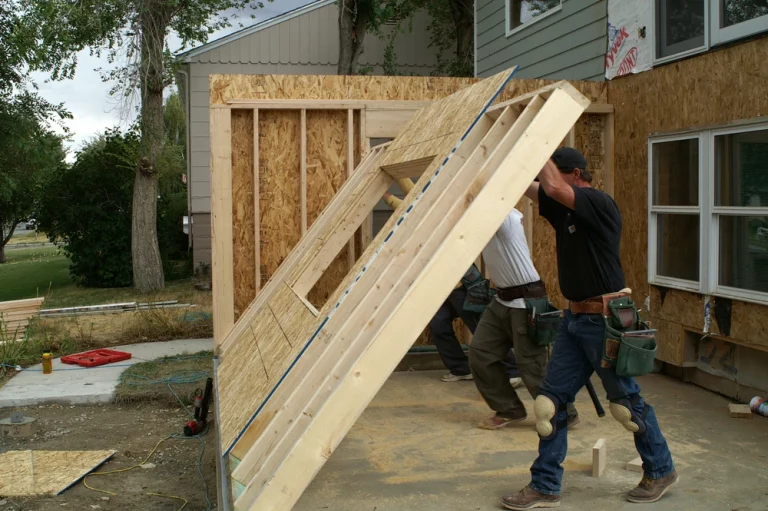
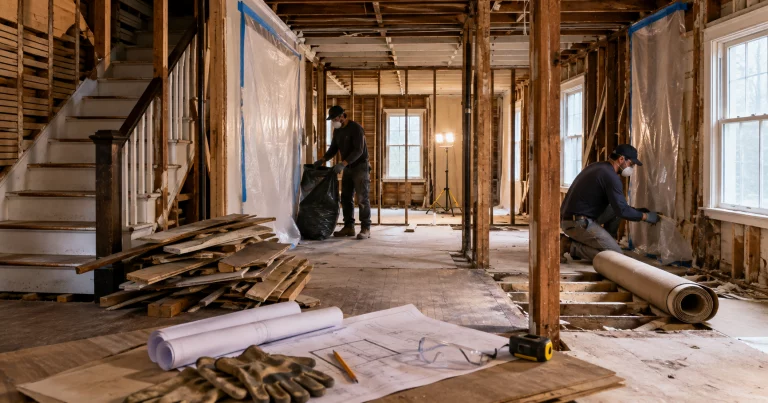
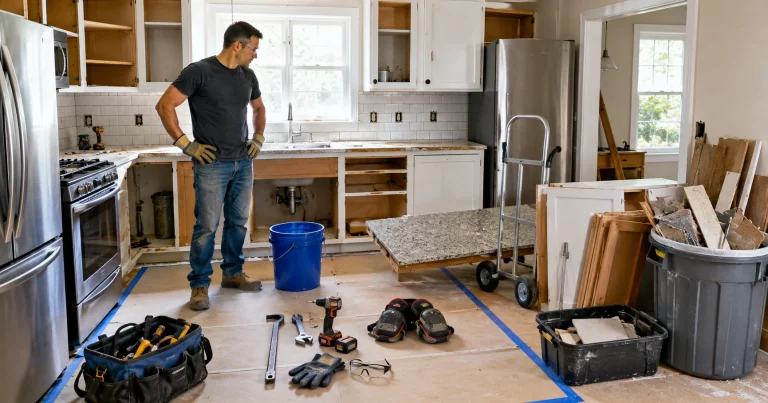
Energy improvements can produce old insulation, windows, doors, HVAC equipment, water heaters, appliances, duct materials, packaging, drywall, lumber, and other renovation debris. Not everything belongs in the same waste stream. Refrigerators, air conditioners, heat pumps, and some other equipment contain refrigerants that require proper recovery and handling. Fluorescent lamps, batteries, electronics, chemicals, and other restricted products may also require separate collection. Waste Removal USA’s construction debris removal guide can help you plan for ordinary remodeling material, while its guide to common disposal restrictions can help identify material that needs another disposal route. If several rooms are being upgraded at once, plan cleanup before work begins rather than allowing old materials and packaging to accumulate throughout the property.Improve the House Before Simply Adding More Technology
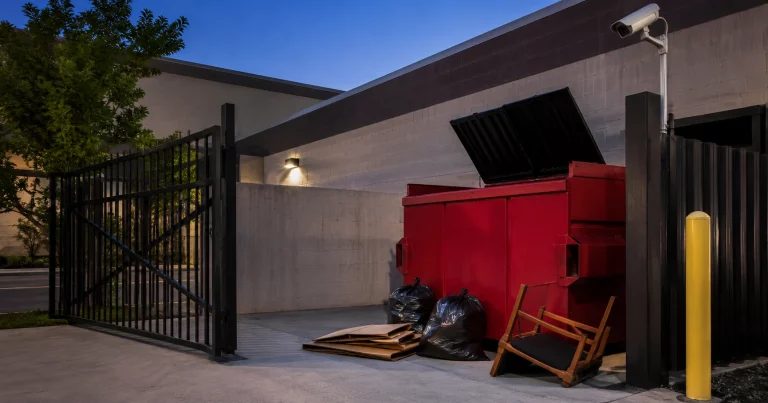
A more energy-efficient home is not necessarily the home with the most new equipment. The best improvements solve actual sources of energy waste. Start with the building envelope, ducts, and major heating and cooling needs. Replace aging equipment with efficient alternatives when the timing makes sense, and use smaller upgrades such as LEDs, smart controls, efficient fixtures, and window treatments where they can make a measurable difference. For larger improvement projects, Waste Removal USA can help you plan an appropriate residential cleanup container service for accepted renovation material while appliances, refrigerant-containing equipment, bulbs, batteries, and other restricted items are routed to the appropriate recycling or disposal programs.Do You Like Waste Removal USA Blogs? Add us to your Google Preferred Resources list and stay up to date on our latest post!
Choose Waste Removal USA as a Preferred Source to see more of our fresh, relevant articles in Google Top Stories and help WRUSA stand out in your everyday feed. Click below to keep our latest waste removal tips and insights easier to find.
Frequently Asked Questions About Home Energy-Efficiency Upgrades
Find answers to common questions











©2026 Waste Removal USA, Waste Removal USA LLC, and wasteremovalusa.com All Rights Reserved