When Does a Tenant Move-Out Become a Large Cleanout?
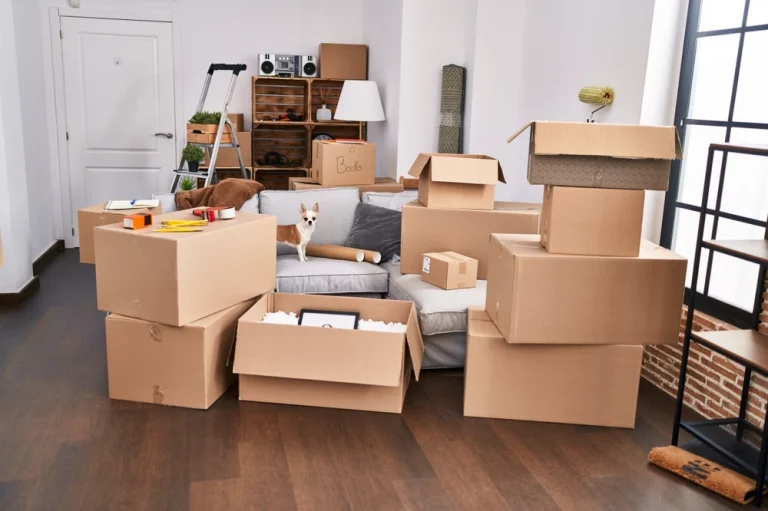
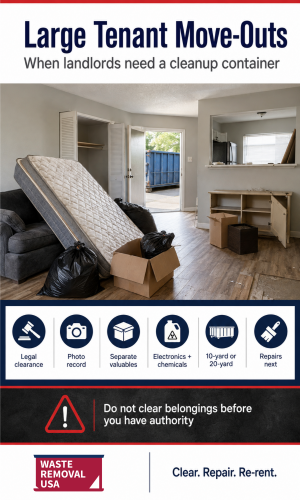 A move-out becomes a large tenant cleanout when the amount of material left behind cannot reasonably be handled through ordinary property-turnover procedures.
Examples include:
- Multiple abandoned furniture pieces
- Mattresses and box springs
- Large amounts of bagged household material
- Broken shelving
- Storage-room contents
- Garage contents
- Yard material
- Damaged carpet or flooring
- Old cabinets
- Broken doors
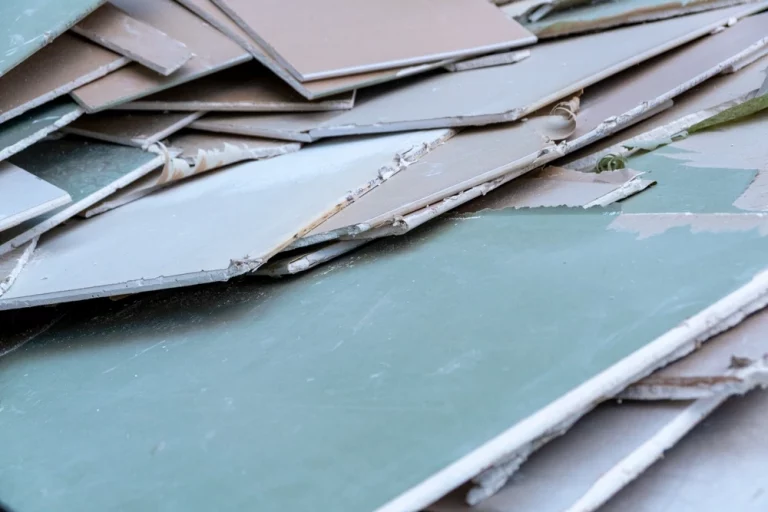
- Renovation debris
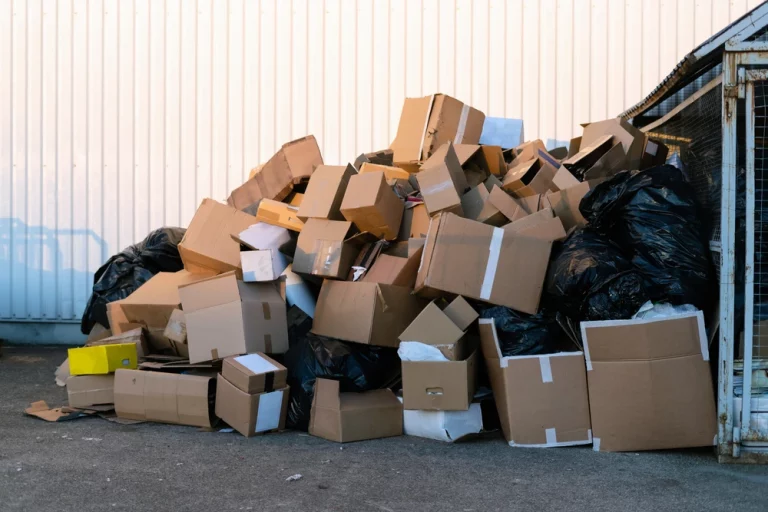
- Large quantities of boxes and packaging
What Should a Landlord Do Before Removing Tenant Belongings?
 Do not assume that anything left inside the unit automatically became trash when the tenant handed over the keys or stopped paying rent.
Abandoned-property rules vary by state and can also differ according to the circumstances of the tenancy.
Depending on location, the landlord may need to:
- Provide written notice
- Store certain belongings
- Give the former tenant an opportunity to retrieve them
- Follow a prescribed disposal or sale procedure
- Maintain records of what was left
- Wait until a legally defined point before treating property as abandoned
Why Should Landlords Photograph the Property Before Cleanup?
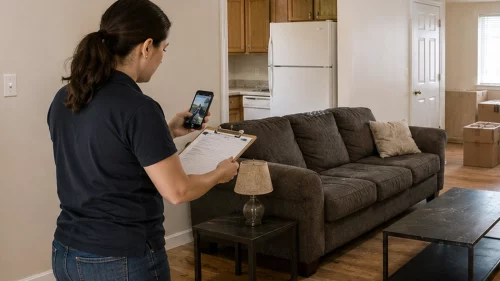
Document the unit before moving or discarding anything. Take wide photographs of:- Every room
- Closets
- Cabinets
- Garage
- Basement
- Exterior areas
- Appliances
- Furniture
- Abandoned items
- Visible damage
- Broken doors
- Damaged flooring
- Large wall holes
- Broken fixtures
- Excessive debris
- Missing property
- Stains
- Water damage
How Is Normal Wear Different from Tenant Damage?
Landlords should separate normal deterioration from actual damage when planning repairs. Normal wear can include changes that occur through ordinary residential use over time. Examples may include:- Minor paint wear
- Light carpet wear
- Small scuffs
- Normal aging of finishes
- Large wall holes
- Broken doors
- Missing fixtures
- Severely damaged flooring
- Broken windows
- Destroyed cabinetry
When Should a Landlord Use an On-Site Cleanup Container?
An on-site container becomes useful when material volume is substantial enough that repeated small disposal trips would slow the property turnover. It is especially practical when:- Several rooms contain abandoned material.
- Bulky furniture must be removed.
- A garage or basement is full.
- The property is being repaired immediately afterward.
- Carpet or flooring will also be removed.
- Damaged cabinetry or drywall needs replacement.
- Multiple rental units are being turned over together.
- The property needs to be cleared on a coordinated schedule.
What Size Cleanup Container Works for a Tenant Move-Out?
Container size should be based on actual material volume rather than unit square footage alone. A sparsely furnished three-bedroom house can create less debris than a packed one-bedroom apartment.10-Yard Container
A 10-yard cleanup container may work for:- Small apartment cleanouts
- Limited abandoned furniture
- Several bulky items
- A modest garage cleanout
- Small repair projects after move-out
20-Yard Container
A 20-yard cleanup container may be more appropriate for:- Full-house tenant cleanouts
- Multiple rooms of furniture
- Carpet removal
- Larger garage or basement cleanouts
- Combined cleanout and repair work
Larger Capacity
Larger properties, multiple units, or extensive renovation work may require more capacity. Review the available cleanup container sizes and describe the material before selecting one. The goal is not simply choosing the largest container available. It is matching capacity to the actual project while accounting for material restrictions and weight.What Should Be Removed From the Unit First?
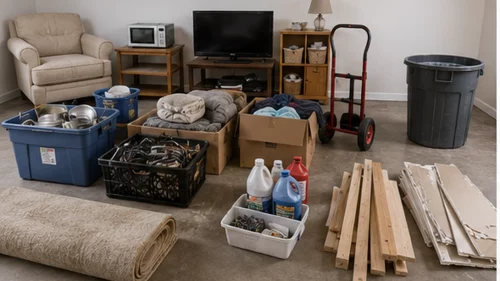 Once the landlord has authority to begin cleanup, work in categories rather than randomly throwing everything together.
Start with:
Personal Documents
Set aside paperwork that may contain personal, financial, medical, employment, or identifying information. Do not leave sensitive records exposed in a general debris pile.Potentially Valuable Property
Jewelry, cash, collectibles, electronics, tools, and other valuable items deserve separate handling, particularly when abandoned-property laws may apply.Reusable Items
Furniture, household goods, shelving, and working appliances may have donation or reuse potential if the landlord is legally authorized to dispose of them.Electronics
Computers, televisions, monitors, phones, and other electronics may have separate recycling requirements.Batteries and Chemicals
Separate these before ordinary cleanup begins. Once prohibited or special-handling materials become buried beneath furniture and debris, the project becomes much harder to manage.What Should Not Go Into an Ordinary Tenant Cleanout Load?
A rental turnover can uncover materials that require separate handling. Examples include:- Paint
- Solvents
- Motor oil
- Pesticides
- Pool chemicals
- Automotive batteries
- Rechargeable batteries
- Propane cylinders
- Fuel
- Certain electronics
- Fluorescent lamps
- Other regulated materials
How Should Electronics Be Handled After a Tenant Move-Out?
Electronics deserve their own category during rental turnover cleanup. EPA notes that televisions, computers, monitors, phones, and related electronics can contain metals and other substances that make proper reuse or recycling preferable to ordinary disposal. Useful electronics may be reusable once the landlord has legal authority over the property. For nonworking equipment, look for:- Electronics recycling programs
- Manufacturer take-back programs
- Retail collection programs
- Local solid-waste collection events
- Certified electronics recyclers
Why Are Lithium-Ion Batteries a Special Concern?
Rechargeable batteries should not be buried inside an ordinary cleanup load. Lithium-ion batteries can be found in:- Laptops
- Power tools
- Phones
- Tablets
- Vacuums
- E-bikes
- Electronics
- Toys
Should Landlords Donate Furniture Left Behind?
Donation can be worthwhile when:- The landlord is legally permitted to dispose of the property.
- The item remains usable.
- The receiving organization accepts it.
- Tables
- Chairs
- Dressers
- Shelving
- Lamps
- Household goods
What About Mattresses and Upholstered Furniture?
Mattresses, sofas, and upholstered chairs often consume a large amount of cleanup space. Before loading them, inspect for:- Bed bugs
- Fleas
- Mold
- Heavy moisture
- Bodily-fluid contamination
- Structural damage
How Should Appliances Be Managed?
Large appliances may have reuse, recycling, or special-handling requirements. Examples include:- Refrigerators
- Freezers
- Air conditioners
- Washers
- Dryers
- Dishwashers
- Ranges
What If the Tenant Left Paint and Cleaning Chemicals?
Keep chemicals in their original containers whenever possible. Do not mix products together to reduce the number of containers. Mixing incompatible chemicals can produce heat, pressure, fire, or toxic gases. Keep:- Paint separate
- Solvents separate
- Pesticides separate
- Fuels separate
- Unknown liquids isolated
When Should Repairs Be Combined with the Tenant Cleanout?
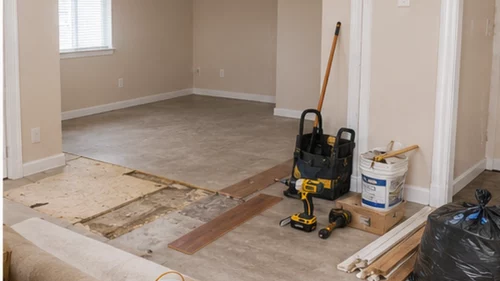 Combining cleanup and repair debris can be efficient when the landlord already knows renovations will begin immediately.
Examples include:
- Removing damaged carpet
- Replacing laminate flooring
- Removing broken cabinets
- Replacing damaged drywall
- Removing broken interior doors
- Replacing trim
- Repairing a damaged deck or porch
How Can Landlords Make Move-Out Cleanup Faster?
Efficiency starts before the tenant’s last day. Provide clear move-out instructions covering:- Move-out date
- Key-return procedure
- Cleaning expectations
- Removal of personal belongings
- Utility responsibilities
- Inspection process
- Forwarding-address procedure
- Secure the property.
- Document the condition.
- Confirm the legal status of remaining belongings.
- Separate sensitive and special-handling items.
- Remove reusable items.
- Stage ordinary cleanup debris.
- Begin repairs.
- Complete final cleaning.
- Perform safety checks.
- Document the finished condition.
Should Landlords Let Tenants Use the Cleanup Container Before Moving Out?
This can create unnecessary problems unless it is planned very carefully. Allowing tenants unrestricted access can result in:- Prohibited materials
- Overloading
- Material from other properties
- Batteries
- Paint
- Electronics
- Refrigerators
- Tires
- Chemicals
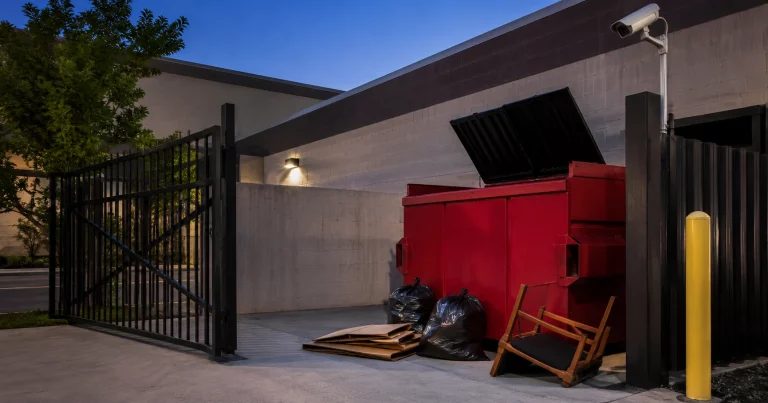
Where Should a Cleanup Container Be Placed at a Rental Property?
Choose a location that provides safe loading access without creating unnecessary property damage. Consider:- Driveway strength
- Parking access
- Fire lanes
- Tenant traffic
- Overhead wires
- Tree branches
- Gates
- Property boundaries
- Local placement permits
- Delivery-truck access
- Required accessible parking
- Fire access
- Building entrances
- Trash enclosures
- Loading areas
- Emergency routes
How Should a Multifamily Tenant Cleanout Be Handled?
Apartment turnovers add complications because cleanup occurs around other residents. Protect common areas. Use:- Floor protection
- Elevator protection
- Defined material routes
- Scheduled loading periods
- Clear hallways
- Controlled access
- Stairwells
- Exit corridors
- Fire doors
- Accessible routes
What If Several Tenants Move Out at Once?
Multiple simultaneous turnovers are one of the clearest times an on-site cleanup container may be worthwhile. Examples include:- Student housing
- Seasonal rentals
- Apartment renovations
- Property acquisitions
- Building-wide lease transitions
- Multifamily rehabilitation
How Does a Property Manager Keep the Cleanout Organized?
Assign responsibility. Someone should be responsible for:- Legal clearance
- Documentation
- Material sorting
- Repair coordination
- Container loading
- Restricted-material handling
- Final inspection
- Inspection complete
- Photos complete
- Belongings legally cleared
- Reusable items separated
- Chemicals removed
- Electronics removed
- General debris cleared
- Repairs identified
- Repairs completed
- Final cleaning completed
What Should Be Checked After the Unit Is Empty?
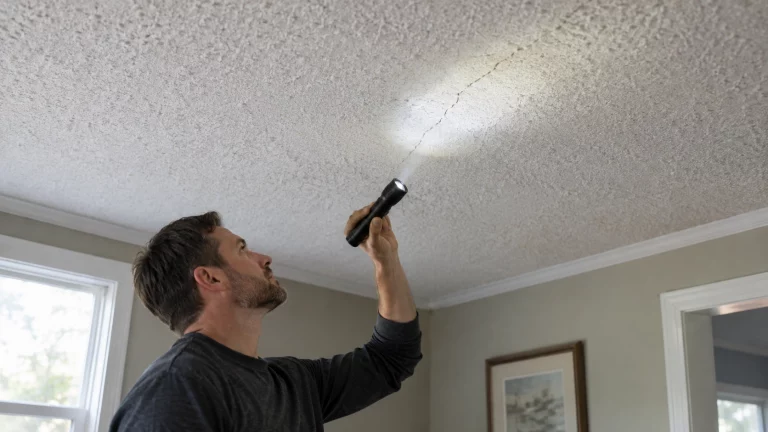
Once the property is cleared, conduct a second inspection. An empty room can reveal problems hidden behind furniture or stored belongings. Check:- Walls
- Flooring
- Baseboards
- Doors
- Windows
- Cabinets
- Plumbing
- Electrical devices
- Appliances
- HVAC registers
- Smoke alarms
- Carbon monoxide alarms where applicable
- Water staining
- Pest evidence
How Should Smoke and Carbon Monoxide Alarms Be Handled?
Test alarms during the property turnover and follow the manufacturer and locally adopted code requirements. Replace failed or expired devices. Do not assume every alarm simply needs a new battery. Many modern alarms use sealed long-life batteries and are replaced as complete units when they reach end of life. Verify that alarms have not been:- Removed
- Painted over
- Covered
- Disconnected
- Damaged
How Should Security-Deposit Costs Be Documented?
Security-deposit rules vary substantially by state. Do not rely on a universal deadline or deduction formula. Maintain records such as:- Move-in condition documentation
- Move-out photographs
- Inspection notes
- Repair invoices
- Cleaning invoices
- Material receipts
- Cleanup costs where legally chargeable
- Required notices
Can Cleanup Costs Be Charged to the Former Tenant?
Possibly, when allowed by the lease and applicable law. A landlord may have a stronger basis for seeking cleanup costs when a tenant leaves unusual amounts of material or fails to meet lawful move-out obligations. That does not mean every turnover expense is automatically deductible. The landlord should be able to show:- What was left behind
- Why cleanup was necessary
- What the cleanup actually cost
- Why the cost is attributable to the former tenancy
- That required abandoned-property procedures were followed
How Can Landlords Reduce Cleanup Problems on Future Move-Outs?
Prevention begins at move-in. Provide tenants with written information about:- Property condition
- Waste collection
- Bulky-item procedures
- Prohibited storage
- Move-out expectations
- Key-return procedures