What Flooring Needs to Handle in a Home with Dogs and Kids
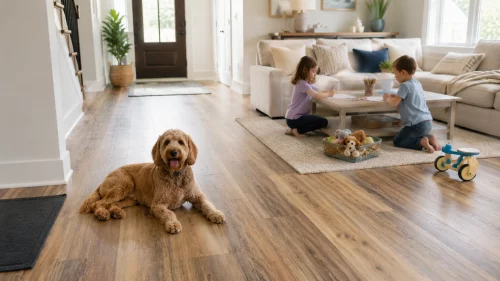 Before comparing materials, think about what the floor actually has to survive. A home with one small dog and older children has different needs than a home with two large dogs, toddlers, and a sliding glass door that opens to a muddy yard.
Pet- and kid-friendly flooring should handle:
- Scratches from nails and toys
- Pet accidents
- Water bowls and spills
- Mud and sand
- Dropped food
- High foot traffic
- Furniture movement
- Stroller, walker, or toy wheels
- Easy sweeping and mopping
- Enough traction for pets and children
- Reasonable comfort underfoot
Best Overall: Luxury Vinyl Plank
waterproof luxury vinyl plank flooring is often the best flooring for dogs and kids because it performs well in the areas busy families care about most. It is usually water-resistant or waterproof depending on the product, easier to clean than carpet, softer underfoot than tile, and more forgiving than many natural wood floors. Luxury vinyl plank works well for:- Kitchens
- Living rooms
- Playrooms
- Hallways
- Mudrooms
- Bedrooms
- Basements, if the product is approved for that use
Best for Water and Heavy Messes: Porcelain or Ceramic Tile
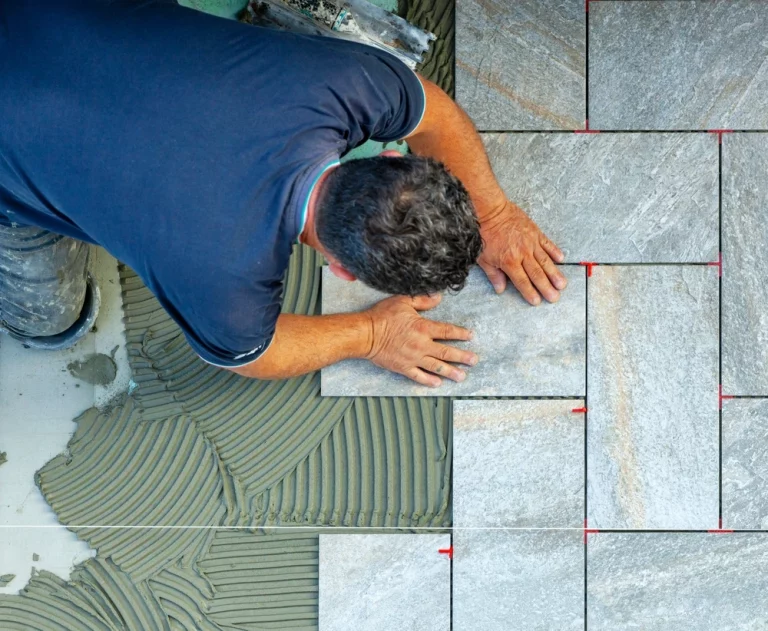
Tile is one of the toughest flooring options for families with pets and kids. Porcelain and ceramic tile resist scratches, moisture, and stains better than many other floors. That makes tile especially useful in kitchens, bathrooms, laundry rooms, mudrooms, and entryways. Tile works well when you need flooring that can handle:- Water bowls
- Muddy shoes
- Pet accidents
- Food spills
- Wet towels
- Heavy cleaning
- High traffic
Best Budget Option: Water-Resistant Laminate
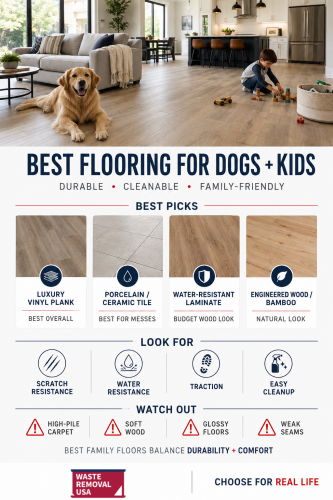 Laminate can be a smart budget home choice when you want the look of wood without paying for hardwood. Many newer laminate products are tougher and more water-resistant than older versions, which makes them more practical for families with pets and kids.
Laminate can be a good fit for:
- Bedrooms
- Hallways
- Family rooms
- Living rooms
- Playrooms
- Low-moisture areas
Best Classic Look: Engineered Hardwood
Hardwood is beautiful, but it is not always the easiest flooring for dogs and kids. Solid hardwood can scratch, dent, stain, and react to moisture. That does not mean wood is impossible in a family home. It means you need the right expectations and finish. Engineered hardwood may be a better option than solid hardwood in some homes because its layered construction can offer more dimensional stability. A matte, wire-brushed, hand-scraped, or textured finish can hide small scratches better than a glossy smooth surface. Hardwood and engineered hardwood work best when:- Pets’ nails are trimmed
- Spills are cleaned quickly
- Rugs protect high-traffic paths
- Entry mats catch grit
- Furniture pads are used
- The home has good humidity control
- The family accepts some natural wear over time
Bamboo Flooring: Strong, But Product Quality Matters
Bamboo flooring can be a good option for some active households, especially strand-woven bamboo. It can be harder than many traditional wood floors and may resist dents and everyday wear better than softer wood species. However, bamboo quality varies widely. Lower-quality bamboo can scratch, dent, or react poorly to moisture. Some products may also contain adhesives or pressed components, so it is worth checking manufacturer information, indoor air quality certifications, and warranty details. EPA’s information on formaldehyde and indoor air quality explains that pressed wood products made with certain adhesives can be sources of formaldehyde in homes. When choosing bamboo, laminate, engineered wood, or underlayment, look for products that meet current emissions standards and follow installation ventilation instructions.Cork Flooring: Comfortable, Quiet, and Softer
Cork is comfortable underfoot, quieter than many hard surfaces, and more forgiving for kids and pets than tile. It has a little give, which can make it appealing in playrooms, bedrooms, offices, or low-traffic family areas. Cork’s tradeoff is moisture and surface protection. It is not the best choice for rooms with frequent pet accidents, wet paws, water bowls, or heavy scratching. The finish needs to be maintained, and spills should be cleaned quickly. Cork may work well for:- Bedrooms
- Playrooms
- Offices
- Quiet family rooms
- Areas where comfort matters more than extreme water resistance
Carpet: Comfortable, But Usually Not the Best Flooring for Pets
Carpet is soft, warm, and comfortable for young children. It also reduces noise and gives pets traction. But carpet is often one of the worst flooring for dogs when accidents, odors, stains, hair, and moisture are major concerns. Carpet can hold:- Pet hair
- Dander
- Dirt
- Odors
- Stains
- Moisture
- Allergens
- Spilled drinks and food
Worst Flooring for Dogs and Kids
The worst flooring for dogs is usually flooring that scratches easily, absorbs messes, becomes slippery, or is hard to repair. For kids, the same problems apply, with added concern for falls, stains, and dropped toys. Poor choices for many active households include:- High-gloss hardwood
- Soft wood flooring
- High-pile carpet
- Cheap laminate with weak seams
- Slick polished tile
- Unsealed cork
- Porous natural stone without proper sealing
- Flooring that cannot handle frequent cleaning
- Materials with no realistic repair path
What Type of Flooring Is Best for Dogs?
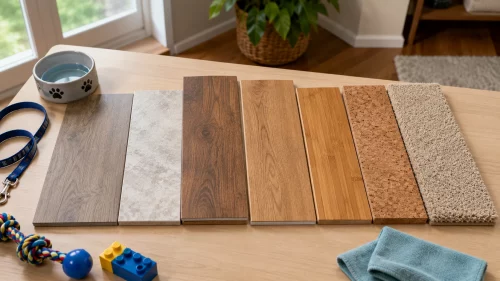 For most homes, the best flooring pets and kids can live on comfortably is luxury vinyl plank or textured porcelain tile. Luxury vinyl is usually the better all-around choice for living areas because it is softer and warmer than tile. Tile is often better for wet rooms, mudrooms, and heavy-mess zones.
If you want the shortest answer to “what type of flooring is best for dogs,” start with:
- Luxury vinyl plank for the best overall balance.
- Porcelain or ceramic tile for water and scratch resistance.
- Water-resistant laminate for a budget wood-look option.
- Engineered hardwood for homes that want real wood with realistic maintenance.
- Cork for comfort in lower-risk rooms.
Slip Resistance and Traction Matter
Durability is important, but traction matters too. Dogs can slide on glossy floors, especially older dogs, puppies, or dogs with joint issues. Children running in socks can also slip on smooth surfaces. Improve traction with:- Matte or textured finishes
- Washable rugs
- Rug pads
- Entry mats
- Shorter nail length for dogs
- Avoiding glossy finishes
- Keeping floors dry
- Choosing smaller tile or textured tile in wet areas
Cleaning and Maintenance Tips
Even the best flooring for pets and kids needs regular maintenance. Dirt and grit can act like sandpaper. Pet accidents can stain or damage seams. Water left near bowls or doors can shorten the life of some materials. Helpful habits include:- Sweep or vacuum often.
- Wipe spills quickly.
- Place mats at doors.
- Use washable rugs in play areas.
- Keep dog nails trimmed.
- Add felt pads under furniture.
- Clean pet accidents immediately.
- Use manufacturer-approved cleaners.
- Avoid soaking laminate or wood.
- Dry wet areas after mopping.
- Keep water bowls on mats.
Flooring Replacement and Debris Planning
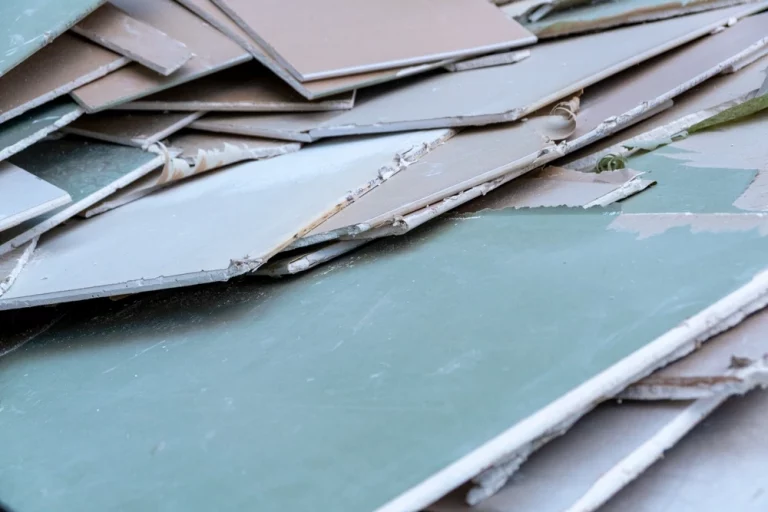
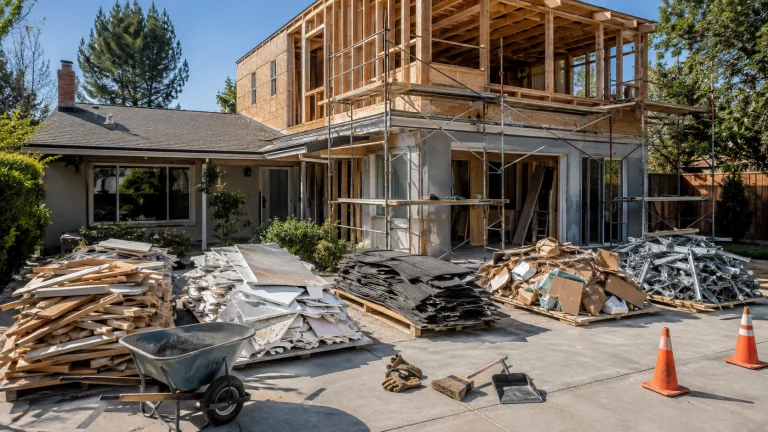
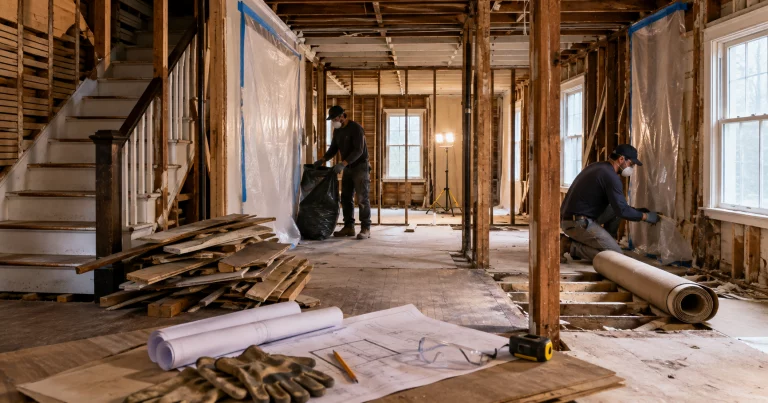
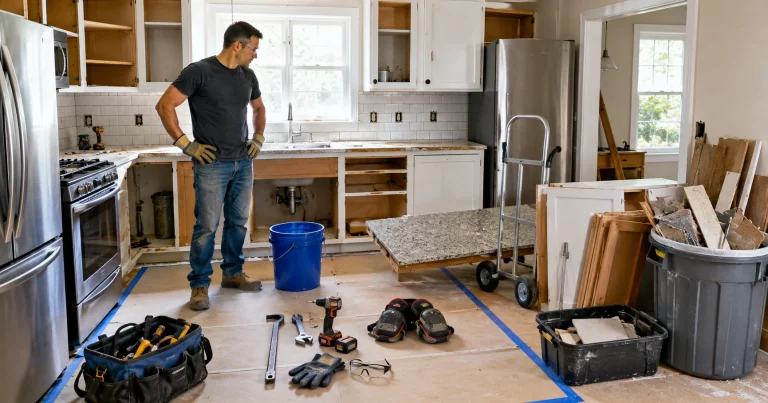
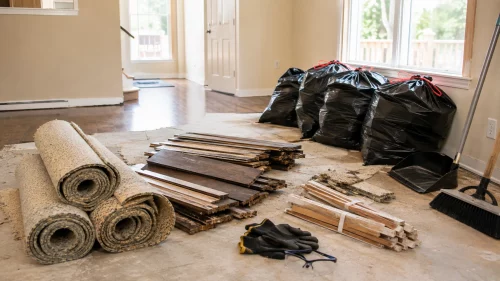 Replacing flooring can create more debris than expected. Old carpet, padding, tack strips, laminate, vinyl, hardwood, tile, underlayment, adhesive, trim, and packaging can pile up quickly.
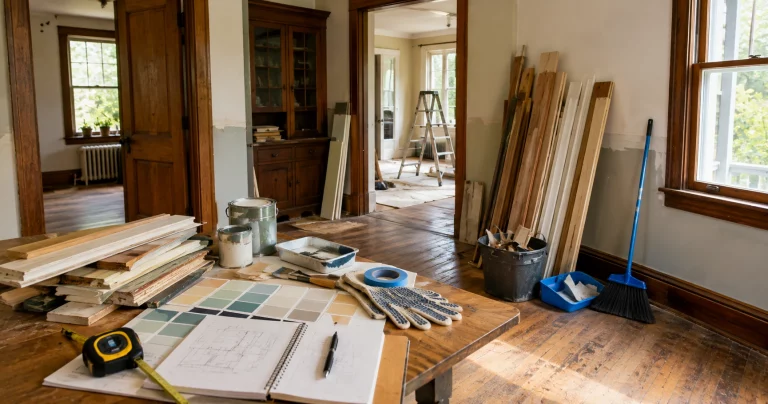
If the flooring project is part of a larger remodel, our construction debris removal guide can help you plan how to separate, stage, and remove renovation debris safely. Keep sharp tack strips, broken tile, nails, and splintered wood away from children and pets during the project.
Before disposal, consider whether any flooring, trim, or materials can be reused or recycled. EPA’s construction and demolition material reuse guidance encourages reuse and recycling of building materials when practical.