Is Your Attic Actually Designed for Storage?
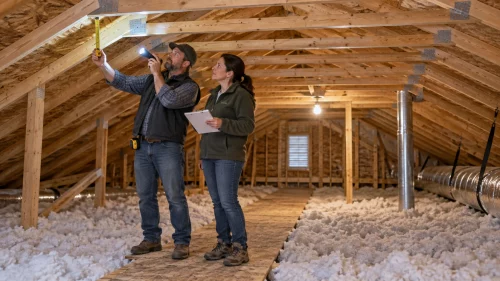 Do not assume an attic can support storage simply because you can walk into it.
Many unfinished attics were designed primarily to support:
- The ceiling below
- Insulation
- Building components
- Limited maintenance access
- 10 pounds per square foot: uninhabitable attic without storage
- 20 pounds per square foot: uninhabitable attic with qualifying limited storage
- 30 pounds per square foot: habitable attics and attics served by fixed stairs
Be Especially Careful with Roof Trusses
Modern houses commonly use engineered roof trusses. The bottom chord may look like a convenient floor joist, but it was engineered as part of the entire truss system. Do not:- Cut truss members
- Notch them
- Drill large holes
- Remove web members
- Alter metal connector plates
How Do You Finish an Attic for Storage?
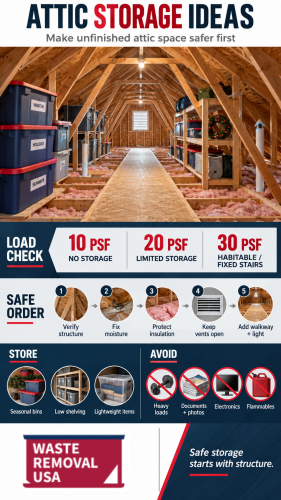 If by finish attic for storage you mean creating a safe walking and storage surface rather than a habitable room, the usual priorities are:
- Verify structural capacity.
- Repair moisture problems.
- Air-seal the attic floor where appropriate.
- Maintain required insulation.
- Preserve ventilation.
- Create safe access.
- Install an approved storage platform or walkway.
- Add lighting.
- Organize lightweight belongings.
Don’t Put Plywood Directly Over Deep Insulation
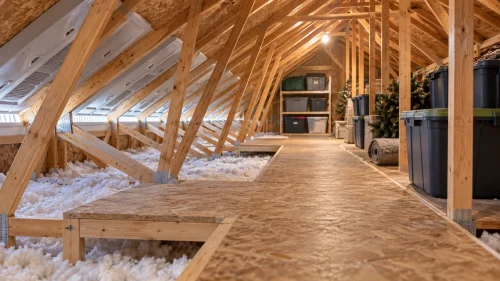 One of the most common unfinished attic storage ideas is laying plywood across the joists.
That can create several problems.
ENERGY STAR notes that effective attic insulation may extend above the tops of the joists. Compressing insulation to make room for flooring can reduce its thermal performance.
Instead, a properly designed storage platform may need to sit above the insulation while transferring loads correctly to framing that has been verified to support them.
Waste Removal USA’s guide to insulating an attic explains how attic-floor insulation fits into the home’s thermal boundary.
Do not improvise a raised platform by altering roof trusses.
Keep Soffit and Roof Ventilation Open
In a traditional vented attic, outside air normally enters through soffit vents and exits higher in the roof system. ENERGY STAR specifically warns homeowners: Never cover attic soffit vents with insulation. The same principle applies to storage. Keep boxes, platforms, shelving, and insulation from blocking:- Soffit vents
- Rafter baffles
- Ridge ventilation
- Other required airflow paths
Don’t Use a Radiant Barrier as Attic Flooring
A radiant barrier is not a replacement for insulation or a storage floor. DOE guidance says radiant barriers require an adjacent air space to function and are most useful in warmer climates where solar heat gain is significant. They are commonly installed:- Beneath roof decking
- Along rafters or trusses
Fix Moisture Before Adding Storage
Before creating an attic storage system, inspect for:- Roof leaks
- Wet insulation
- Water staining
- Mold
- Rotten framing
- Condensation
- Bathroom exhaust entering the attic
- Dryer exhaust entering the attic
Should You Put a Dehumidifier in an Attic?
Not automatically. A conventional vented attic is intentionally connected to outdoor air. Trying to dehumidify that entire space can be ineffective and energy-intensive because humid outside air continually enters through the ventilation system. Persistent attic humidity is better treated as a symptom. Investigate:- Roof leaks
- Indoor air leakage
- Missing air sealing
- Improper exhaust ducts
- Blocked ventilation
- HVAC moisture problems
What Are the Best Attic Storage Solutions?
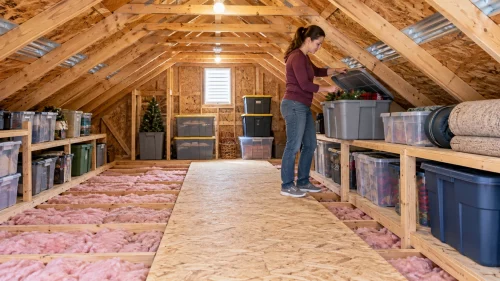 Once the attic has been approved for storage, concentrate belongings in the safest usable zone rather than filling every corner.
Lightweight Plastic Bins
Lidded plastic containers work well for:- Holiday decorations
- Seasonal linens
- Lightweight decorations
- Camping accessories
Low Shelving
Low shelving can fit beneath sloped roof sections and make bins easier to reach. Use lightweight shelving and keep heavy objects low. Do not attach shelves indiscriminately to roof trusses.Clearly Marked Containers
Use large visible labels such as:- Christmas
- Halloween
- Camping
- Winter clothes
- Gift wrap
Dedicated Walkways
Maintain a clear route from the attic entrance to storage areas and any equipment that may require maintenance. Never cover:- HVAC equipment
- Electrical boxes requiring access
- Shutoffs
- Ventilation openings
Put Frequently Used Items Near the Entrance
Organize the attic according to frequency. Keep near the access point:- Holiday decorations used every year
- Seasonal clothing
- Travel accessories
What Should Not Be Stored in an Unfinished Attic?
An unfinished attic can experience substantial temperature and humidity swings. Avoid using it for belongings particularly sensitive to those conditions. Examples include:- Important documents
- Family photographs
- Valuable artwork
- Electronics
- Vinyl records
- Musical instruments
- Medications
- Candles
- Valuable collectibles
- Gasoline
- Propane cylinders
- Flammable chemicals
- Other hazardous products
Avoid Extremely Heavy Items
Even an attic designed for limited storage is not the ideal location for concentrated heavy loads. Avoid placing items such as:- Large safes
- Large book collections
- Heavy exercise equipment
- Dense boxes of tile
- Construction material
- Heavy machinery
Make Attic Access Safe
A good attic storage solution becomes useless if accessing it is dangerous. The model IRC specifies minimum attic-access dimensions in certain situations, although locally adopted requirements vary. If using a pull-down ladder:- Follow its weight rating.
- Install it according to the manufacturer.
- Maintain secure handholds where provided.
- Keep the landing area clear.
- Never carry loads that prevent safe climbing.
Improve Attic Lighting
Storage areas need enough light to see:- Walking surfaces
- Framing
- Boxes
- Nails
- Mechanical equipment
Watch Where You Step
In unfinished portions of the attic, never step directly onto:- Ceiling drywall
- Loose insulation
- Unsupported material
Declutter Before Building More Storage
Sometimes the best attic storage idea is needing less attic storage. Before buying shelving, divide existing belongings into:- Keep
- Donate
- Sell
- Recycle
- Dispose