What Should Be on a Fall Home Maintenance Checklist?
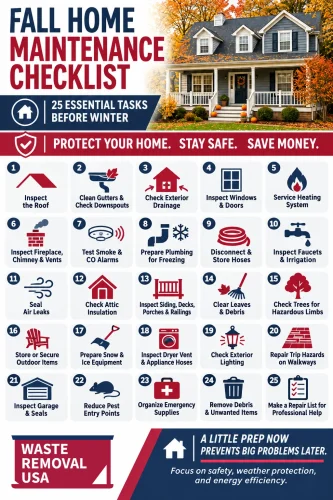 A practical fall maintenance checklist should cover the systems that are most likely to be affected by cold weather or seasonal storms.
Prioritize:
- Inspect the roof from a safe location.
- Clean gutters and confirm downspouts drain properly.
- Check exterior drainage around the foundation.
- Inspect windows and exterior doors for air and water leaks.
- Schedule appropriate heating-system service.
- Inspect fireplaces, chimneys, flues, and vents when applicable.
- Test smoke and carbon monoxide alarms.
- Prepare plumbing for freezing temperatures where necessary.
- Disconnect and store garden hoses.
- Inspect exterior faucets and irrigation equipment.
- Seal obvious air leaks.
- Check attic and accessible insulation.
- Inspect siding, trim, decks, porches, stairs, and railings.
- Clear leaves and yard debris.
- Check trees for dead, damaged, or hazardous limbs.
- Store or secure outdoor furniture and seasonal items.
- Prepare snow and ice equipment where applicable.
- Inspect the dryer vent and major appliance hoses.
- Check exterior lighting.
- Repair trip hazards on walkways and steps.
- Inspect the garage and weather seals.
- Reduce pest entry points.
- Organize emergency supplies.
- Remove accumulated household and renovation debris.
- Make a short repair list for anything that needs professional attention.
How Should You Inspect the Roof and Gutters in Fall?
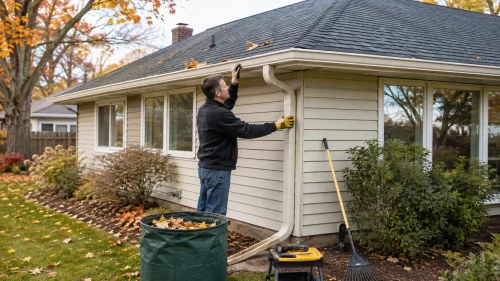 Inspect the roof before winter storms make small problems harder to repair. You can often identify obvious concerns from the ground with binoculars or from an upper-story window without walking on the roof.
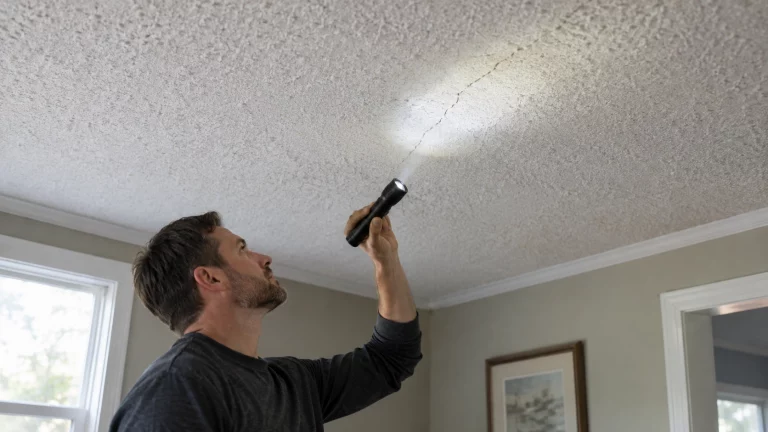
Look for missing, lifted, cracked, or visibly damaged roofing materials, damaged flashing, loose components, and signs of deterioration around vents or chimneys. Inside the attic, look for staining, damp insulation, or other evidence of water intrusion.
If a roof is steep, wet, icy, damaged, or difficult to access, use a qualified roofing professional rather than climbing onto it.
Clean gutters after the major leaf drop in your area. Remove leaves, twigs, and accumulated debris, then confirm that water can move through the gutter system and downspouts.
Downspouts should discharge water where it can move away from the foundation rather than collect beside the house. Correct disconnected sections, obvious leaks, and areas where runoff is eroding soil or pooling near the structure.
Gutter cleaning does not by itself prevent every ice-dam problem. Attic air leakage, insulation, roof temperature, snow conditions, and drainage can also contribute. If ice dams are a recurring problem, investigate the roof and attic assembly rather than relying only on gutter maintenance.
What Fall Yard Maintenance Should You Do?
Fall yard maintenance should prepare the property for winter without applying one lawn rule to every climate or grass species. Remove enough fallen leaves to prevent heavy, wet mats from smothering turf or blocking drains. Leaves can often be mulched into the lawn, composted, or collected for a local yard-waste program when those options are available. The EPA recommends using leaves and grass clippings as mulch or compost when practical, or preparing them for community composting or approved collection rather than allowing them to wash into waterways. Review the EPA’s yard nutrient-pollution guidance for additional options. Waste Removal USA’s yard cleanup guide can help you organize larger seasonal cleanups. Do not automatically mow every lawn to 1.5 or 2 inches before winter. The best final mowing height depends on the turf species, normal mowing height, region, and local extension guidance. Continue mowing as needed while the grass is actively growing, and avoid removing an excessive portion of the blade at one time. Fall can also be a good time to:- Remove dead annuals and diseased plant debris.
- Divide or plant appropriate perennials.
- Mulch plants that benefit from winter root protection.
- Clean and dry garden tools before storage.
- Empty or protect containers that can crack after water freezes.
- Prepare irrigation systems for freezing temperatures where required.
- Compost appropriate plant material.
Should You Prune Trees and Shrubs in Fall?
Inspect trees and shrubs in fall, but avoid treating major pruning as a universal autumn task. Dead, broken, hanging, or hazardous branches deserve prompt attention. Branches contacting the roof, blocking walkways, or threatening utility lines may also need evaluation. The ideal time for routine pruning varies by plant species, climate, disease pressure, and pruning objective. Some trees are best pruned during dormancy, while certain plants should be pruned at another time to preserve flowering or reduce disease risk. Do not work near energized utility lines yourself. Contact the utility or an appropriately qualified tree professional. Large limbs, storm damage, leaning trees, and work requiring climbing or chainsaw use may also be better handled professionally.How Do You Check Windows and Doors Before Winter?
Check windows and exterior doors for both air leakage and water entry. Look for:- Failed or cracked exterior caulk
- Damaged weatherstripping
- Loose door sweeps
- Gaps around frames
- Deteriorated wood
- Cracked glass
- Windows that do not close or lock correctly
- Exterior water staining
- Damaged thresholds
What Exterior Repairs Should Be Done in Fall?
Address exterior defects that can worsen when exposed to repeated rain, freezing, snow, or ice. Inspect siding and trim for:- Loose sections
- Cracks
- Rot
- Open joints
- Pest damage
- Peeling coatings
- Water staining
- Failed sealant
How Do You Prepare the Heating System for Fall?
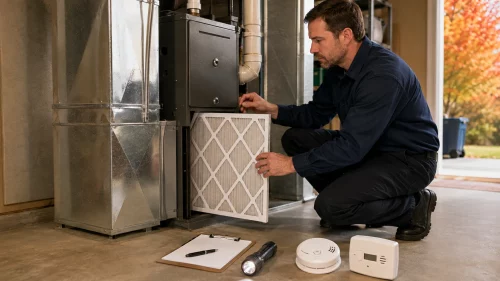 Test the heating system before the first very cold day so there is time to address problems.
Check the air filter on forced-air equipment and replace or clean it according to the equipment and filter manufacturer’s instructions. Different filters and systems have different service intervals.
Watch for:
- Unusual noises
- Burning or electrical odors
- Short cycling
- Failure to start
- Uneven heating
- Water around boilers or condensate systems
- Damaged vents or flues
- Error codes
- Soot or discoloration around fuel-burning equipment
What Should You Check on a Fireplace and Chimney?
If you use a fireplace, wood stove, or another vented fuel-burning appliance, have the system inspected and cleaned as needed before heavy seasonal use. A professional inspection can identify:- Creosote buildup
- Blockages
- Damaged flue liners
- Cracked masonry
- Deteriorated mortar
- Damaged caps
- Venting problems
- Animal nesting
- Moisture intrusion
How Should You Test Smoke and Carbon Monoxide Alarms?
Test smoke and carbon monoxide alarms every month using the test button and follow the manufacturer’s replacement and battery instructions. CPSC recommends smoke alarms on every level of the home and inside each bedroom. Carbon monoxide alarms should be installed on every level and outside sleeping areas. Battery-operated alarms or alarms with battery backup remain important during power outages. Do not assume every alarm needs a yearly battery change. Some models use replaceable batteries, while others contain sealed long-life batteries. Follow the instructions for the specific alarm. Replace an alarm when it reaches the manufacturer’s end-of-life date or fails testing. Fall is also a good time to make sure alarms have not been blocked by furniture, decorations, or renovation work.What Fire-Safety Tasks Belong on a Fall Maintenance Checklist?
Cold weather usually means greater use of heating equipment, fireplaces, candles, and sometimes generators, so fall is a good time to review fire and carbon monoxide safety. Inspect portable heaters before use. CPSC recommends keeping portable heaters at least three feet from combustible items and plugging electric space heaters directly into wall outlets rather than extension cords or power strips. Also:- Keep exits clear.
- Inspect appliance cords for damage.
- Check accessible fire extinguishers according to their manufacturer instructions.
- Keep combustibles away from furnaces and water heaters.
- Make sure exterior vents remain unobstructed.
- Never use charcoal grills indoors or in a garage.
- Never run a vehicle in an attached garage for warming.
- Follow generator placement instructions and keep generators outdoors away from openings.
How Do You Protect Plumbing From Freezing?
Homes in freeze-prone climates should address vulnerable plumbing before extended cold arrives. Disconnect garden hoses from exterior faucets. A connected hose can trap water and contribute to freeze damage in some installations. Depending on the plumbing system and climate, you may also need to winterize irrigation, outdoor kitchens, seasonal water lines, or other exterior plumbing. Inspect exposed pipes in unheated or marginally heated spaces such as:- Crawlspaces
- Garages
- Exterior walls
- Utility rooms
- Some basements
- Attics where plumbing is present
Should You Add a Water-Heater Blanket in Fall?
Not automatically. Some older storage water heaters may benefit from additional tank insulation, but many newer units are already well insulated. A blanket can also interfere with controls, combustion air, labels, vents, or access if installed incorrectly. Check the water-heater manufacturer’s instructions before adding insulation. More useful fall checks include looking for leaks, corrosion, unusual sounds, venting problems on fuel-burning units, and damaged or improperly routed discharge piping. Do not alter a temperature-and-pressure relief valve or its discharge pipe.What Energy-Efficiency Tasks Are Worth Doing in Fall?
Fall is a practical time to address obvious air leaks before heating demand increases. Common leakage areas include:- Exterior doors
- Window frames
- Attic hatches
- Plumbing penetrations
- Wiring penetrations
- Rim joists
- Recessed fixtures where appropriate
- Duct penetrations
- Gaps between attached garages and conditioned living space
What Should You Inspect on Decks, Porches, Steps, and Railings?
Fall is a good time to inspect outdoor walking surfaces before snow or ice hides defects. Check decks and porches for:- Loose boards
- Rot
- Protruding fasteners
- Loose railings
- Unstable steps
- Cracked structural members
- Peeling coatings
- Water collection
- Damaged lighting
How Should You Prepare Driveways and Walkways?
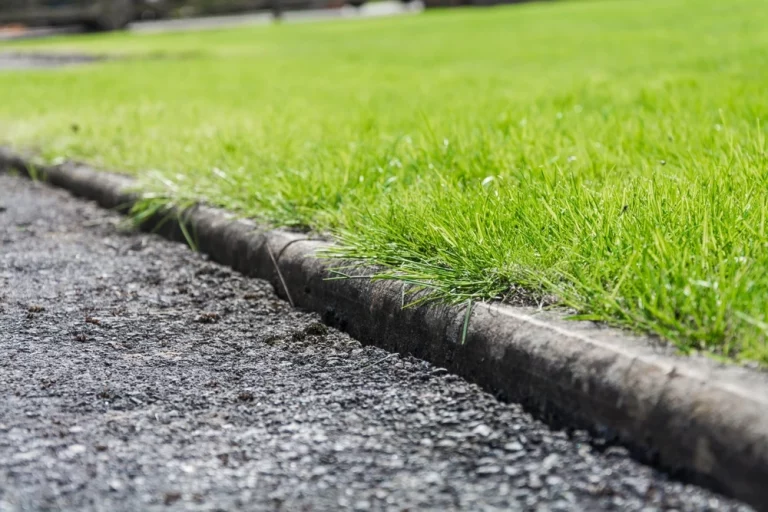
Inspect driveways, sidewalks, pavers, and exterior stairs before freeze-thaw cycles make damage harder to manage. Look for:- Raised or sunken pavers
- Loose steps
- Large cracks
- Potholes
- Drainage problems
- Trip edges
- Areas where water routinely freezes
How Can You Reduce Fall Pest Problems?
Pest prevention works best by reducing access, food, water, and shelter rather than simply applying pesticides around the house. Inspect:- Door sweeps
- Window screens
- Utility penetrations
- Foundation gaps
- Damaged vents
- Siding gaps
- Garage-door seals
- Stored food
- Garbage containers
What Should You Do in the Garage Before Winter?
A fall garage cleanup can make winter equipment easier to access and reduce clutter around vehicles and heating equipment. Organize:- Snow shovels
- Ice-control products
- Vehicle emergency supplies
- Outdoor furniture
- Garden tools
- Lawn equipment
- Sports gear
- Seasonal decorations
What Winter Supplies Should You Gather in Fall?
Prepare winter supplies before a storm is already in the forecast. Depending on the region, useful items may include:- Snow shovel
- Appropriate ice-control material
- Flashlights
- Spare batteries
- Portable power banks
- First-aid supplies
- Drinking water
- Shelf-stable food
- Blankets
- Necessary medications
- Pet supplies
- Weather radio
- Vehicle emergency kit
What Interior Maintenance Should You Do in Fall?
A few indoor checks can prevent leaks, fires, and appliance problems during the season when people spend more time inside. Inspect washing-machine supply hoses for bulges, cracks, leaks, or damaged connections. Clean the clothes-dryer lint filter after each load and inspect the dryer exhaust system periodically for restricted airflow or lint buildup. Check refrigerator door seals and clean components according to the appliance manufacturer’s maintenance instructions. Look beneath sinks and around toilets, dishwashers, water heaters, and other plumbing fixtures for signs of slow leaks. Fall is also a useful time to repair doors that do not latch correctly, replace worn weatherstripping, and address indoor moisture problems before the house remains closed up for winter.How Do You Handle Fall Cleanup Debris?
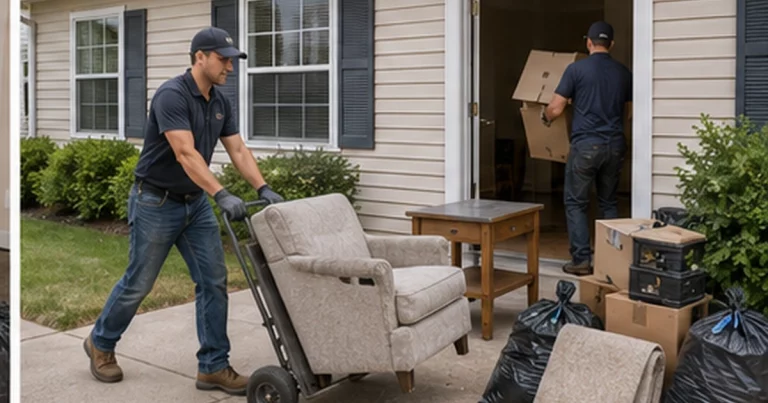
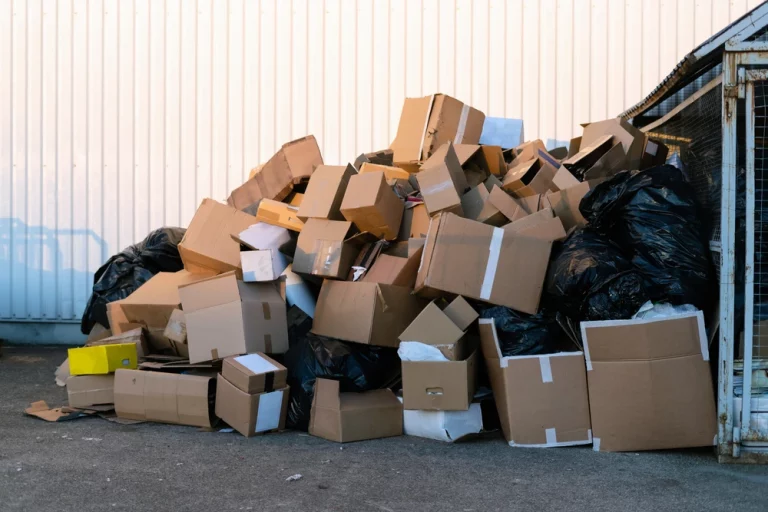
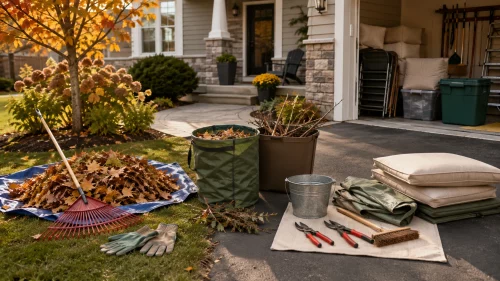 Fall home maintenance can generate more material than expected. Leaves, branches, damaged outdoor furniture, old shelving, rotten boards, broken planters, packaging, and repair debris can quickly fill garages and side yards.
Sort materials as the work progresses.
Keep yard material separate from construction debris when local collection or composting programs treat them differently. Set aside reusable items before they become damaged in a mixed pile.
Waste Removal USA’s yard debris removal guide can help with larger outdoor cleanup projects.
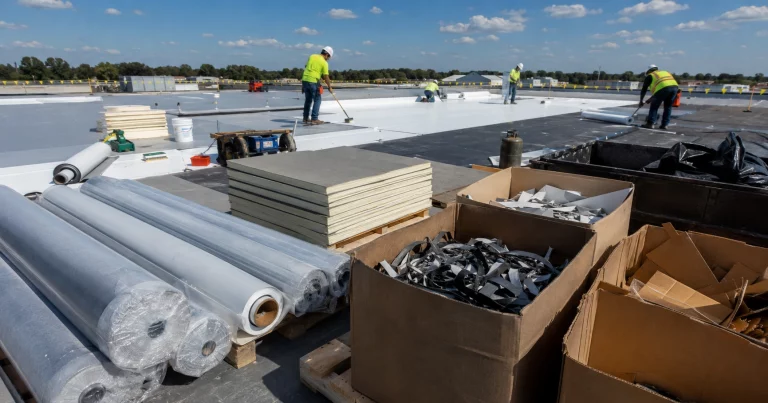
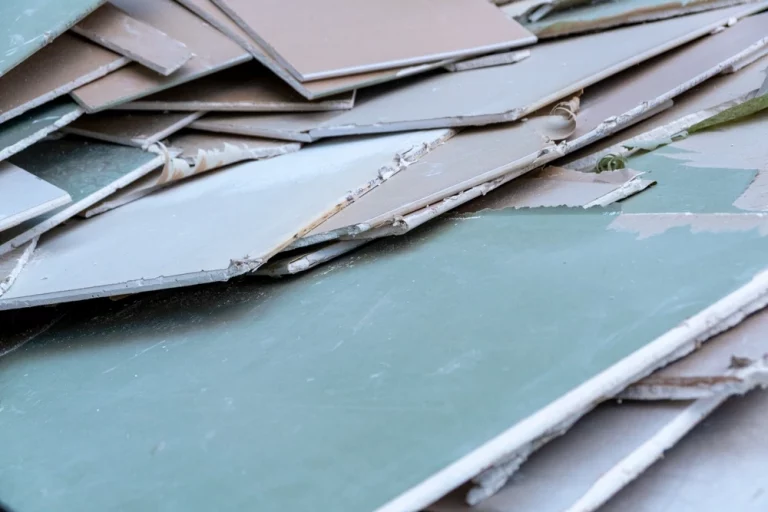
When fall repairs include damaged decking, drywall, lumber, siding, trim, or other approved renovation material, an on-site cleanup container may make the project easier to organize. A 10-yard cleanup container may work for some smaller projects, while larger cleanouts can require additional capacity.
Keep paint, chemicals, batteries, fuels, asbestos-containing material, and other restricted products out of an ordinary construction load unless the receiving service specifically approves them.