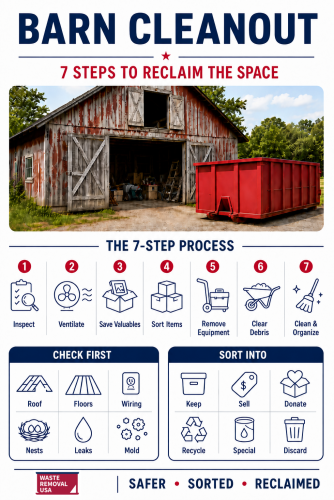
- Inspect the barn before moving anything.
- Create safe access and ventilation.
- Separate valuables, equipment, and records.
- Sort items into keep, sell, donate, recycle, special handling, and discard groups.
- Remove large equipment and restricted materials.
- Clear the remaining junk and debris.
- Clean and reorganize the space for its next use.
Start With a Safety Inspection
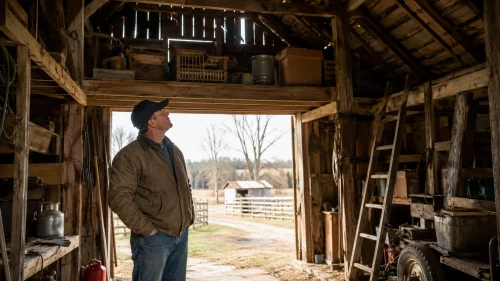 Before a full barn cleanout begins, walk around the exterior and inspect the inside from a safe position.
Look for:
- Sagging roof sections
- Soft or damaged floors
- Loose stairs or ladders
- Unstable lofts
- Exposed nails and sharp metal
- Broken glass
- Damaged electrical wiring
- Animal nests or droppings
- Mold or heavy moisture damage
- Leaking containers
- Unstable shelving or stacked materials
Gather the Right Tools Before You Begin
Gather heavy-duty gloves, sturdy boots, eye protection, suitable respiratory protection, basic hand tools, heavy-duty bags, sorting containers, work lights, and a dolly or cart. Use mechanical help for large or awkward objects whenever possible. OSHA’s heavy lifting guidance recommends using equipment such as ramps or lift gates rather than manually lifting machinery and other heavy loads.The Best Way to Sort a Barn Cleanout
 Do not start by carrying random items outside. That usually creates a new pile in the yard without solving the problem.
Set up clearly defined categories:
Keep
Only keep items that still have a purpose and a place. If something is staying, decide where it will go before putting it back.Sell
Old tools, farm equipment, architectural pieces, vintage signs, machinery parts, and other barn contents may have resale value. Set aside anything that needs research before disposal.Donate or Give Away
Usable furniture, tools, storage containers, building materials, and household goods may be useful to someone else. Confirm acceptance before transporting a large load.Recycle
Steel, aluminum, copper, some appliances, cardboard, certain electronics, and reusable building materials may have recycling outlets. For large amounts of old fencing, machinery parts, and metal shelving, our guide to scrap metal removal explains why separating metal from mixed debris can simplify recycling.Special Handling
Keep paint, pesticides, fuel, oil, batteries, propane cylinders, chemicals, and other restricted materials out of the general debris pile.Discard
This category is for broken, contaminated, unusable, and non-recyclable material that has no realistic reuse path. Sorting first makes the rest of the barn cleanout faster because every item already has a destination.What to Remove First
The order matters.Important Documents and Valuables
Old barns sometimes contain property records, vehicle titles, family papers, antiques, collectibles, and tools with significant value. Move these to a secure location before the main cleanup begins.Vehicles and Large Equipment
Tractors, implements, trailers, mowers, boats, and other large items can block access to the rest of the barn. Before moving equipment, check:- Whether tires hold air
- Whether wheels or brakes are seized
- Whether fluids are leaking
- Whether batteries are damaged
- Whether the path out of the barn is wide and stable enough
Hazardous and Restricted Materials
Barns often accumulate old paint, solvents, pesticides, fertilizers, batteries, motor oil, and unidentified containers. The EPA’s household hazardous waste guidance notes that products such as paints, cleaners, oils, batteries, and pesticides can contain hazardous ingredients and may require special care at disposal. Keep original labels when possible. Do not combine unknown chemicals or pour them into new containers simply to save space. Contact the appropriate local program or facility for acceptance instructions.Barn and Storage Junk Removal for Bulky Items
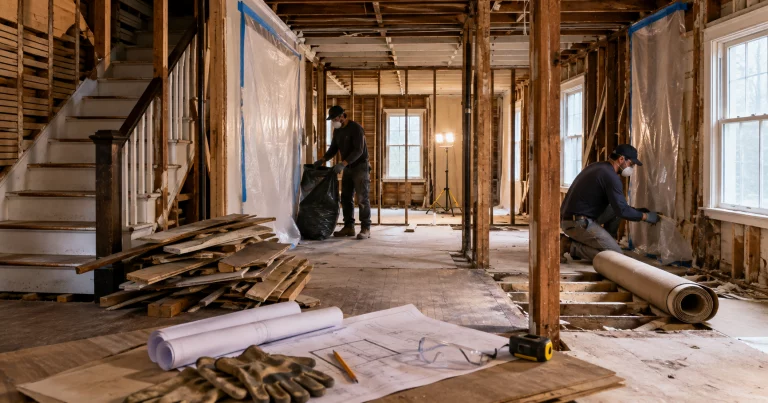
 Barn and storage junk removal becomes more complicated when the building contains oversized items.
Oversized items may include furniture, workbenches, appliances, tires, animal panels, fencing, cabinets, shelving, damaged lumber, and scrap machinery. Separate anything that could be reused or recycled before breaking it apart. Dismantling can make an item easier to move, but it can also destroy resale value or create sharp debris.
Old electronics also deserve separate attention. If a barn contains outdated computers or monitors, our guide answering can you throw a computer in the trash explains why local e-waste rules should be checked before disposal.
Dealing With Dust, Mold, and Animal Contamination
A neglected barn may contain more than ordinary dirt.Rodent Droppings
Do not dry sweep or vacuum rodent urine and droppings before they have been properly disinfected. Follow current CDC cleanup guidance, wear appropriate gloves, and keep people away from the area while it is being addressed.Mold and Moisture Damage
If the barn has roof leaks, poor drainage, or long-term moisture problems, some stored materials may be moldy. The EPA’s mold cleanup guidance explains that hard surfaces can often be cleaned and dried, while some moldy porous materials may need to be discarded. Fix the moisture source before putting cleaned belongings back into the space.Dust
Old hay, feed, dirt, insulation, and animal debris can create heavy dust. Work in sections, avoid creating unnecessary airborne dust, and use protective equipment appropriate for the conditions. If contamination is extensive or the barn has heavy accumulations of bird or bat droppings, stop and get qualified help.When a Barn Cleanout Becomes a Demolition Cleanup
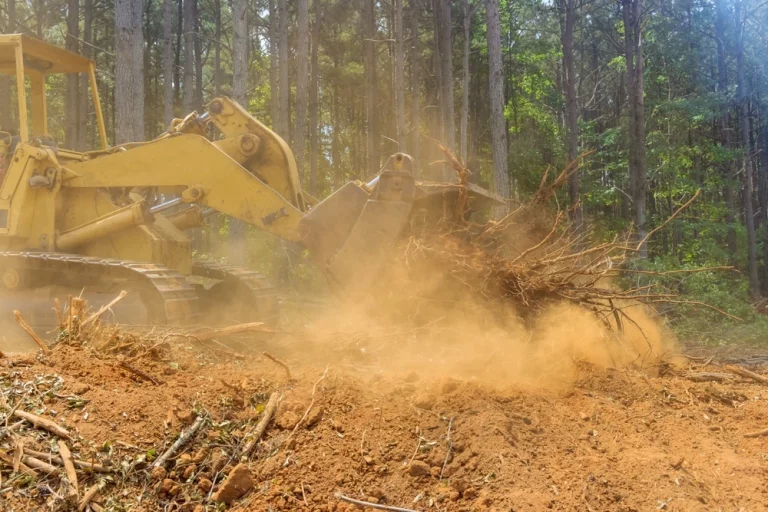
 Not every project ends with an empty barn. Sometimes the structure itself is being partially or completely removed.
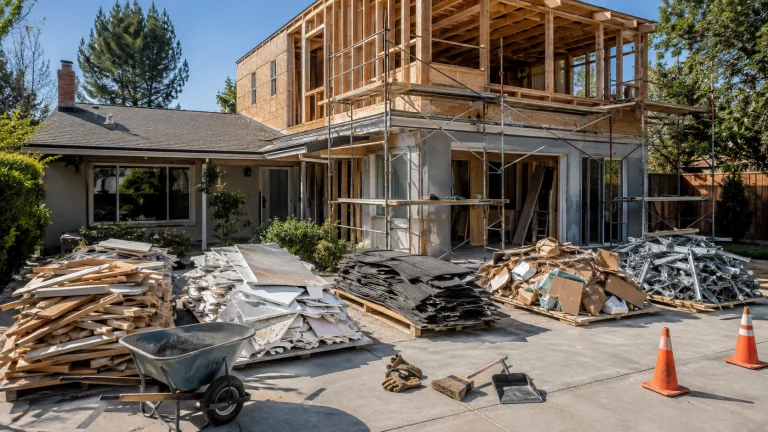
That changes the waste stream. Demolition adds framing lumber, roofing, siding, concrete, insulation, windows, fixtures, and mixed construction debris. Plan the cleanout before demolition so reusable equipment, tools, architectural materials, and hazardous products are not buried in debris.
Our construction debris removal guide covers the basic planning issues that arise once a project begins generating building materials rather than ordinary cleanout waste.
The same principle applies whether the project involves barn demolition and junk cleanup in Northwest Atlanta or junk and debris cleanup following barn cleanouts in Iowa: identify material types and disposal outlets before the structure comes down.
When to Use a Barn Cleanout Service
A DIY project may work for a small, stable barn with limited contents. A barn cleanout service becomes more useful when:- The structure is packed floor to ceiling.
- Heavy equipment needs to be moved.
- The barn contains sharp or unstable debris.
- There are multiple outbuildings or storage areas.
- The project is tied to an estate, move, sale, or property deadline.
- Hazardous or restricted materials are present.
- Demolition is planned after the cleanout.
- The owner cannot safely do the lifting.
Barn Cleanout Costs: What Changes the Price?
Avoid relying on generic online price ranges. Barn cleanouts vary too much for a single number to be reliable. Cost is usually affected by:- Barn size
- Amount of material
- Weight of debris
- Number of workers needed
- Access to the building
- Loft or stair work
- Heavy equipment removal
- Hazardous or restricted items
- Distance to disposal or recycling facilities
- Whether demolition debris is involved
Local Barn Cleanouts Still Need a Site-Specific Plan
Local focus matters because disposal rules, facility acceptance, access, and project scope can vary. A barn cleanout in Connecticut may involve different local requirements than a similar project elsewhere. The same planning approach applies to a barn cleanout in Kent, CT, or a barn cleanout in Washington, CT: inspect the structure, identify restricted materials, confirm where different items can go, and plan how vehicles and equipment will reach the building. Do not assume that every facility accepts the same materials. Call ahead before transporting tires, electronics, appliances, chemicals, construction debris, or large equipment.How to Organize the Barn After the Cleanout
A successful barn cleanout should make the next cleanout less likely. Before returning items to the building:- Repair leaks and address moisture problems.
- Remove broken shelving.
- Create zones for equipment, tools, supplies, and seasonal storage.
- Keep frequently used items near the main access point.
- Store chemicals according to label instructions and away from general clutter.
- Label containers clearly.
- Keep aisles and exits open.
- Schedule a short review once or twice a year.