How Does Littering Affect Animals?
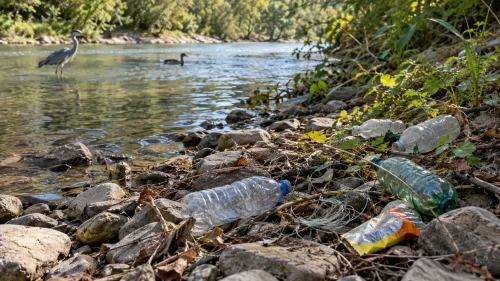 Litter primarily harms animals through ingestion, entanglement, entrapment, and habitat degradation.
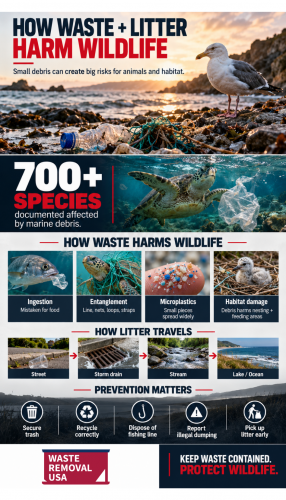
Animals may mistake waste for food, consume it accidentally while feeding, or swallow debris that is already inside prey. Other animals become caught in fishing line, nets, plastic loops, straps, or discarded containers.
NOAA reports that marine debris has been documented to affect more than 700 species, including invertebrates, fish, sea turtles, seabirds, marine mammals, and coastal vegetation.
The severity of littering effects on animals depends on the material, its size and shape, the habitat, the species involved, and the amount and frequency of exposure.
That means not every piece of litter causes the same harm. But waste that escapes normal disposal systems can remain in the environment long enough to create repeated opportunities for wildlife encounters.
1. Animals Can Mistake Litter for Food
 Ingestion is one of the most widely documented ways litter harms wildlife.
Some animals intentionally pick up debris because it resembles normal prey. Others swallow it accidentally while feeding.
Plastic bags and balloons, for example, can resemble prey to some marine animals. Seabirds can pick up small plastic pieces while searching for food. Fish and other aquatic organisms may consume smaller particles suspended in the water.
NOAA’s marine debris ingestion guidance explains that debris can remain in an animal’s digestive system, pass through it, or sometimes be expelled depending on the animal and the material.
When debris remains inside the animal, possible consequences include digestive blockage, internal injuries, reduced feeding, and a false sense of fullness.
The effects vary considerably by species and debris type, which is why researchers continue to study how ingestion affects individual animals as well as larger wildlife populations.
2. Litter Can Entangle Wildlife
Entanglement occurs when an animal becomes caught, wrapped, or trapped in discarded material. Common entanglement hazards include:- Fishing line
- Nets
- Rope
- Plastic packing bands
- Plastic bag handles
- Balloon ribbons and strings
- Plastic rings
- Mesh bags
3. Ghost Fishing Can Continue After Fishing Gear Is Lost
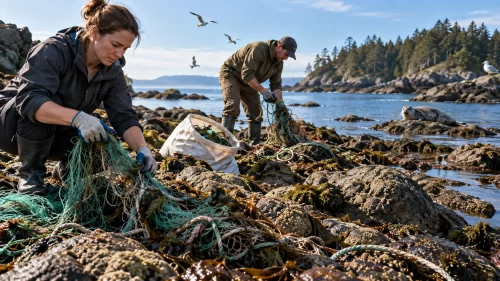 Lost, abandoned, or otherwise discarded fishing gear can continue catching animals even when no one is actively using it.
This process is known as ghost fishing.
Nets, traps, pots, line, and other gear can continue catching fish, crustaceans, birds, sea turtles, and marine mammals. Animals caught in the equipment may be unable to escape, while the gear itself may continue drifting or remain lodged in a habitat.
NOAA identifies derelict fishing gear as one of the most serious entanglement hazards associated with marine debris.
The gear can also damage habitats. Nets and other heavy debris may settle onto coral, seagrass, or other sensitive areas.
Preventing lost gear, recovering it when feasible, and properly disposing of worn fishing equipment can therefore help protect both wildlife and habitat.
4. Plastic Breaks Into Microplastics
Large plastic debris does not necessarily remain large. Weathering, sunlight, waves, and physical abrasion can cause plastic items to fragment into smaller pieces. Plastic particles less than 5 millimeters in size are generally called microplastics. NOAA has documented microplastics throughout marine and Great Lakes environments, and organisms including zooplankton, shellfish, fish, and whales have been found to ingest them. Their small size makes microplastics difficult to remove after they spread through the environment. Laboratory research has raised concerns about potential effects involving development, reproduction, and disease resistance in exposed animals. Plastics can also contain chemical additives or interact with pollutants already present in the environment. However, scientists are still working to determine how these exposures translate into effects on wild animal populations. NOAA’s microplastics overview provides additional information about what researchers know and where important uncertainties remain.5. Seabirds Are Especially Vulnerable to Marine Debris
Birds can encounter waste while feeding, nesting, or resting near shorelines and waterways. Some seabirds ingest plastic while searching the ocean for food. Adults can also inadvertently bring debris back to nesting areas. Fishing line, netting, rope, and other materials can become incorporated into nests, creating entanglement or entrapment risks for adults and chicks. The U.S. Fish and Wildlife Service identifies three major marine-debris threats to birds: ingestion, entanglement or entrapment, and habitat degradation. Litter affecting animals can therefore cause problems even when the waste is not eaten. A nesting area filled with plastic, line, abandoned gear, or other debris can change how birds use the habitat and increase opportunities for harmful interactions.6. Sea Turtles and Marine Mammals Can Become Entangled
Sea turtles, seals, whales, dolphins, and other marine animals encounter both fishing gear and general marine debris. Entanglement can restrict an animal’s movement or prevent it from feeding normally. Air-breathing animals can face additional danger when entanglement prevents them from reaching the surface. NOAA Fisheries advises the public not to attempt to free an entangled large marine animal without trained responders. Approaching or cutting gear from whales, seals, or sea turtles can endanger both the animal and the person attempting the rescue. If you encounter distressed marine wildlife, report it to the appropriate wildlife or stranding-response authority and follow their instructions. Preventing the debris from entering the habitat in the first place remains far easier than trying to remove it from an animal later.7. Land Animals Are Also Affected by Litter
Pollution harming animals is not exclusively an ocean issue. EPA notes that wildlife in both aquatic and terrestrial environments can encounter physical hazards from litter. On land, food packaging can attract wildlife into roads, parking lots, campsites, and other human-dominated areas. Animals may investigate bags, cups, bottles, cans, containers, and other discarded items in search of food. Loops and narrow openings can create entanglement or entrapment hazards, while sharp materials can cause injury. Trash can also alter animal behavior by repeatedly attracting wildlife to human food sources. Properly securing household trash and outdoor waste is therefore important even far from a beach or major waterway.8. Litter Can Travel From Streets to Wildlife Habitat
A piece of trash does not need to be discarded directly into a river to reach aquatic wildlife. EPA explains that much aquatic trash comes from land-based activities. Wind can blow lightweight debris from an overflowing bin. Rain can carry litter into a storm drain. Streams and rivers can transport that material farther downstream until it eventually reaches a lake, estuary, or ocean. This connection means that preventing marine debris begins inland. A bottle cap dropped in a parking lot or food wrapper left beside a road may eventually become aquatic trash if it is not collected first. Waste containers should remain closed and secure, particularly on windy days or when animals can access them.9. Waste Can Damage Wildlife Habitat
The pollution effects on wildlife extend beyond direct contact with individual animals. Large debris can cover or damage habitat. NOAA notes that marine debris can crush or smother sensitive environments such as coral reefs and seagrass beds. Trash can also collect along shorelines, wetlands, riverbanks, and nesting areas. Some floating material can carry organisms to new locations, potentially providing another pathway for non-native species to move between ecosystems. Habitat degradation matters because wildlife depends on more than food alone. Animals also need safe places to reproduce, shelter, feed, rest, and raise young. When waste damages those areas, its impact can extend beyond the individual animal that encounters a piece of debris.10. Wildlife Population Effects Can Be Difficult to Measure
Images of individual animals harmed by litter clearly demonstrate that waste can cause injury and mortality. Determining what that means for an entire wildlife population is more complicated. Population size is influenced by many factors, including habitat loss, food availability, disease, climate, predators, fishing or hunting pressure, reproduction, and other forms of pollution. NOAA notes that research is still underway to understand how plastic ingestion affects wildlife communities and wild populations. For some vulnerable species, an additional source of injury or mortality may be especially concerning. But it is important to distinguish documented harm to individual animals from evidence showing that litter alone is causing a particular population decline. That distinction makes the science more accurate without minimizing the preventable harm caused by debris.11. Illegal Dumping Can Create Concentrated Wildlife Hazards
Litter is often scattered, while illegal dumping can place large amounts of waste in one location. Dumped appliances, household trash, tires, construction materials, chemicals, and other debris can affect drainage, contaminate habitat, create entrapment hazards, or attract animals to unsafe areas. Potentially hazardous household products require particular care. Paints, fuels, pesticides, automotive fluids, pool chemicals, batteries, and similar products may have local collection or disposal requirements. Waste Removal USA’s household chemical disposal guide explains why these materials should be separated from ordinary cleanup waste. Old electronic devices may also need specialized handling. Review the guide to disposing of old computers rather than leaving unwanted electronics outdoors or placing them in an unauthorized dumping area.12. Not Every Recyclable Material Is Accepted Everywhere
Recycling can keep useful materials in circulation, but only when those materials are accepted and properly prepared for the local program. Recycling rules vary considerably. A plastic item carrying a recycling symbol is not automatically accepted in every curbside program. Bags, films, foam products, electronics, and other materials often require separate collection or specialty recycling. Putting inappropriate items into a recycling bin can interfere with processing rather than guarantee that the material will be recovered. Check your local recycling program’s current acceptance rules and use drop-off or specialty programs where appropriate. Waste Removal USA’s guide to eco-friendly trash removal offers additional ideas for reducing materials headed for final disposal.13. Responsible Waste Storage Helps Protect Wildlife
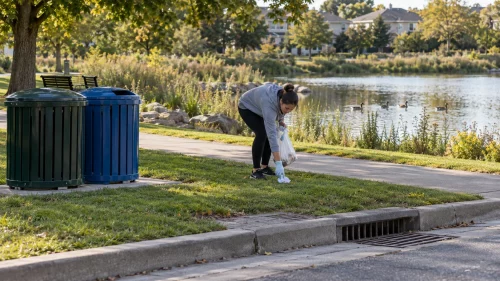 Wildlife protection starts before collection day.
Keep outdoor trash inside containers with secure lids. Avoid leaving bags beside overflowing bins where animals or wind can tear them open.
When working on a yard or home project, collect small pieces of material before they can blow away.
Fishing line deserves particular attention. Never leave line, hooks, nets, or other gear along a shoreline. Use fishing-line recycling programs where available or dispose of gear according to local guidance.
Do not intentionally release balloons outdoors. NOAA warns that balloons and attached strings can become ingestion and entanglement hazards after they enter marine environments.
For yard projects that produce large amounts of branches, brush, or vegetation, use locally approved composting or disposal options. Waste Removal USA’s yard debris removal guide explains common ways to manage larger outdoor cleanups.
14. Community Cleanups Help, but Prevention Matters More
Picking up litter removes immediate hazards and can prevent material from moving farther through a watershed. Community cleanups can be useful along roads, parks, streams, beaches, lakeshores, and other areas where waste accumulates. NOAA encourages community cleanup efforts but emphasizes that prevention is critical because cleanup alone cannot keep pace with debris continuously entering the environment. Useful prevention steps include:- Refusing unnecessary disposable products when practical
- Reusing durable products
- Reducing unnecessary packaging
- Recycling correctly through local programs
- Keeping trash containers covered
- Securing waste during transport
- Properly disposing of fishing line and gear
- Picking up litter before it reaches storm drains
- Reporting illegal dumping to the appropriate local authority