What Counts as Highway Construction Debris?
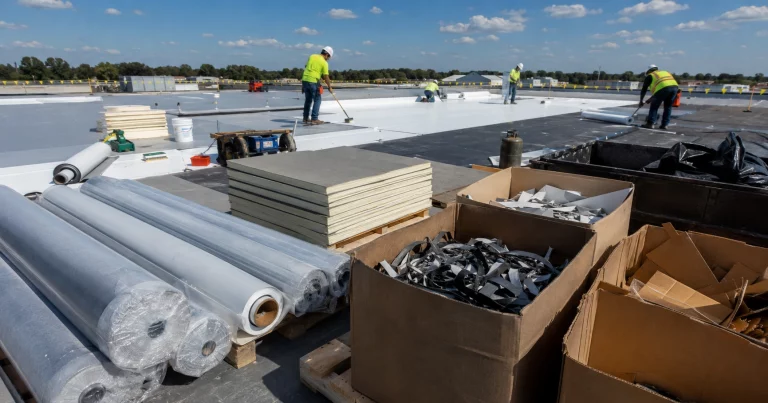
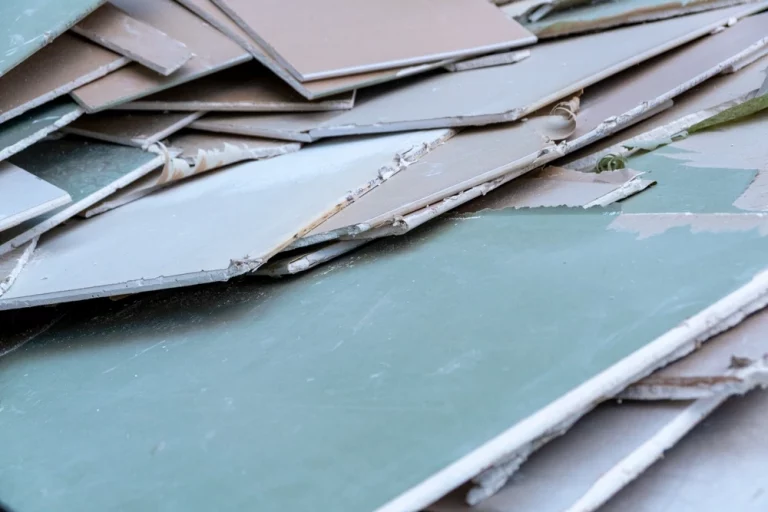
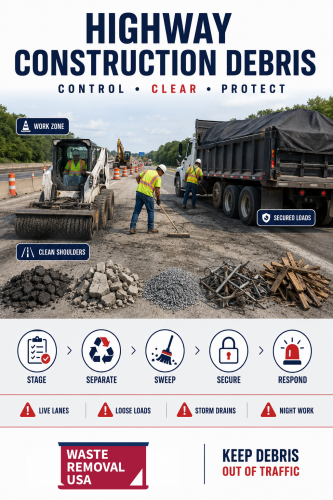 Highway construction debris includes leftover, removed, damaged, or loose material generated during road construction, repair, resurfacing, bridge work, drainage work, lane widening, shoulder repair, utility work, and demolition.
Common examples include:
- Broken asphalt
- Concrete chunks
- Aggregate and gravel
- Milled pavement
- Rebar and metal fragments
- Wood forms and stakes
- Plastic sheeting
- Traffic-control device parts
- Broken cones or barrels
- Packaging and pallets
- Excavated soil
- Drainage pipe scraps
- Guardrail pieces
- Sign posts
- Sweeping waste
- Damaged fencing
- Loose tools or fasteners
Why Highway Debris Is a Safety Problem
On a normal jobsite, debris can slow workers down or create trip hazards. On a highway project, debris can enter traffic at speed. That changes the risk immediately. Highway construction debris can cause:- Tire punctures
- Windshield damage
- Vehicle undercarriage damage
- Motorcycle hazards
- Sudden braking
- Swerving
- Lane-change crashes
- Worker exposure during cleanup
- Damage to construction equipment
- Delays from lane closures
The Main Sources of Highway Construction Debris
Debris can come from several parts of a road project.Pavement Removal
Milling, saw cutting, jackhammering, and breaking pavement create asphalt and concrete fragments. These materials are dense and can spread quickly if not swept or collected.Excavation and Grading
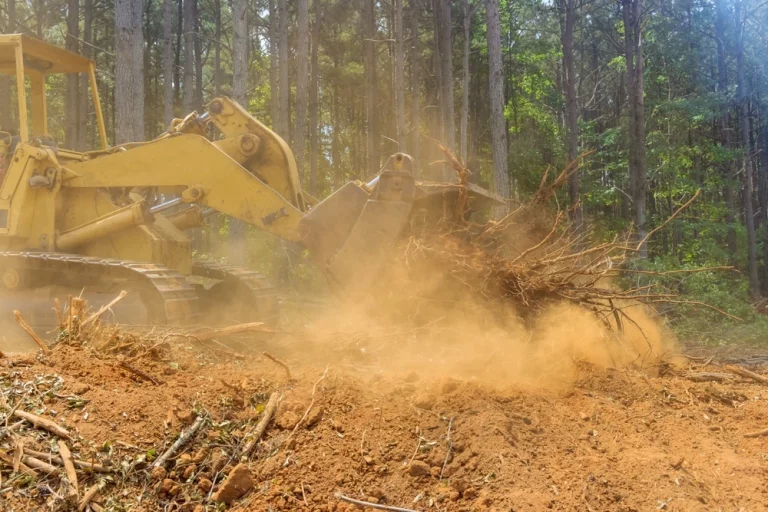
Soil, rock, clay, and aggregate can migrate from work areas onto shoulders and lanes, especially during rain or heavy equipment movement.Material Delivery
Trucks carrying aggregate, asphalt, concrete, forms, pipe, or demolition material can lose debris if loads are not covered or secured.Temporary Traffic Control
Cones, barrels, signs, sandbags, drums, barricades, and fencing can become debris if struck by vehicles, high winds, or equipment.Bridge and Drainage Work
Bridge repair, culvert replacement, and drainage projects can generate concrete, steel, wood forms, pipe scraps, rebar, sediment, and broken hardware.Daily Jobsite Activity
Packaging, pallets, straps, fasteners, water bottles, plastic wrap, and broken tools may seem minor, but they can still become road hazards if they blow or roll into traffic.Build Debris Control into the Project Plan
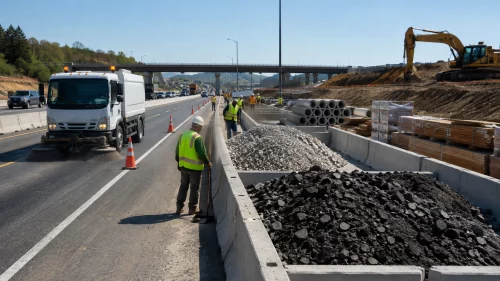 Debris management should be part of the work plan before construction starts. It should not be left to whoever notices a messy shoulder at the end of the day.
A practical highway debris plan should define:
- Where material will be staged
- How loose debris will be contained
- How often sweeping will happen
- Who checks lanes and shoulders
- Where heavy material will be loaded
- How trucks will be covered
- How debris will be separated
- What materials can be recycled
- What materials need special handling
- How emergency debris removal will be handled
- How the plan changes during rain, wind, or night work
Keep Material Out of Live Lanes
The best debris management solution is to stop material from entering active traffic areas. Use controls such as:- Covered or secured truck loads
- Staging areas away from traffic
- Temporary barriers where appropriate
- Sweeping near exits and haul routes
- Stable stockpile locations
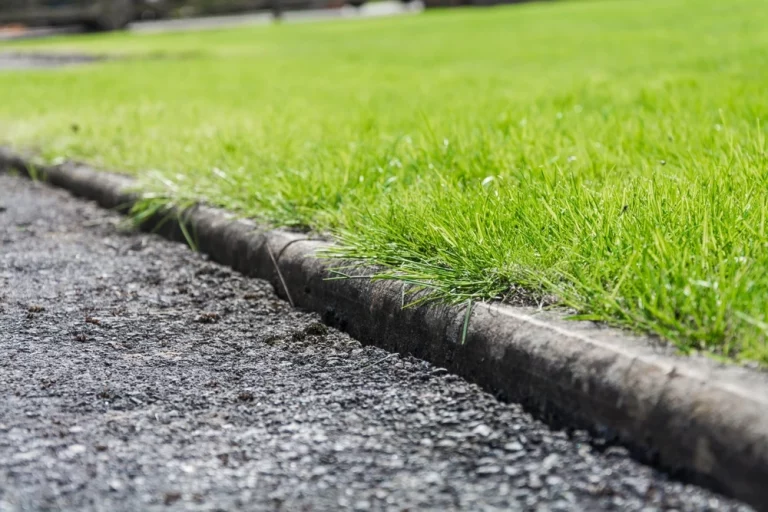
- Edge controls for aggregate and soil
- Daily housekeeping requirements
- Fast pickup after milling or demolition
- Protected loading zones
- Clear routes for construction traffic
Separate Debris by Material
Highway projects often generate materials that can be reused, recycled, or handled more efficiently when separated. Mixing everything together can make disposal harder and may eliminate recycling options. Separate:- Asphalt
- Concrete
- Aggregate
- Clean soil
- Metal
- Wood
- Plastic traffic-control debris
- General trash
- Hazardous or questionable materials
Asphalt and Concrete Need Special Planning
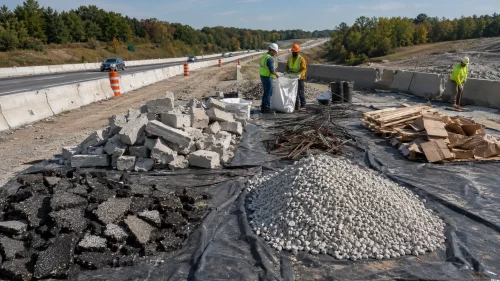 Asphalt and concrete are common on highway projects, but they are not light general debris. They are heavy, dense, and often recyclable if kept clean.
Asphalt millings may be reused or recycled depending on project specifications and local facility rules. Broken concrete may be crushed for aggregate or road base in some areas. However, loads can be rejected if they are mixed with trash, soil, wood, plastic, or contaminated material.
For asphalt and concrete, confirm:
- Whether recycling is available
- Whether material must be kept clean
- Whether rebar is allowed
- Whether soil contamination is allowed
- Whether mixed asphalt and concrete are accepted
- Weight limits for hauling and staging
- Whether project specifications allow reuse
Debris Control in Rural vs. Urban Highway Work
Highway debris creates different problems depending on the location.Rural Work Zones
Rural projects may involve higher speeds, longer response times, fewer lighting resources, and longer distances between cleanup equipment. Loose aggregate, broken asphalt, or fallen material can be harder for drivers to see, especially at night or on curves. Rural projects may need extra attention to:- Shoulder debris
- Long haul routes
- Dust and sediment control
- Night visibility
- Emergency access
- Weather changes
- Communication between crews
Urban Work Zones
Urban projects often involve tight staging areas, pedestrians, cyclists, buses, business access, driveways, parked cars, and constant traffic shifts. Debris that would be a shoulder hazard in a rural area may become a pedestrian or bike-lane hazard in a city. Urban projects may need extra attention to:- Sidewalk protection
- Bike lanes
- Business entrances
- Bus stops
- Storm drains
- Pedestrian detours
- Short-term loading areas
- Daily cleanup before peak traffic
Secure Loads Leaving the Site
Some highway debris hazards come from vehicles leaving the construction zone. Loose material can fall from trucks, trailers, or equipment if loads are not secured. Load securement should include:- Removing loose debris from tailgates and bumpers
- Covering appropriate loads
- Checking truck beds before leaving
- Avoiding overfilled loads
- Securing tools and equipment
- Cleaning tires and tracks when needed
- Preventing aggregate from spilling during turns
- Inspecting gates and latches
Sweeping and Inspection Should Be Scheduled
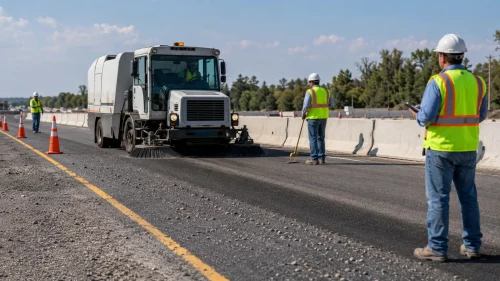 Sweeping should not happen only after a complaint. It should be built into the project rhythm.
Schedule sweeping and inspection:
- After milling
- After saw cutting
- After demolition
- After hauling
- After storms
- Before opening a lane
- Before shifting traffic
- At the end of each workday
- Before weekends or holidays
- After incidents or struck traffic-control devices
What Drivers Should Do Around Highway Debris
Drivers should never stop in a live lane to move debris. If debris is in the road, the safest response is to slow down gradually, avoid sudden swerving if possible, and report the hazard when it is safe. If debris damages a vehicle:- Move to a safe location.
- Do not stand in traffic.
- Take photos if safe.
- Note the time, location, lane, and nearby work zone.
- Report the hazard to the appropriate transportation agency or local law enforcement.
- Contact your insurance carrier.
- Keep repair documentation.
Reporting Highway Construction Debris
Debris in or near traffic should be reported quickly. The right contact depends on the road. Possible reporting contacts include:- State department of transportation
- Local public works department
- Highway patrol or state police
- Local law enforcement
- 511 traveler information systems
- Municipal service request portals
- Project hotline, if posted
- Contractor contact listed on public project pages
- Road name or route number
- Direction of travel
- Mile marker or cross street
- Lane affected
- Type of debris
- Whether vehicles are swerving
- Whether a work zone is nearby
- Time observed
Environmental Concerns with Highway Debris
Highway debris can affect more than traffic. Fine sediment, loose aggregate, asphalt fragments, concrete dust, and construction trash can reach storm drains, ditches, streams, wetlands, and roadside soil if not controlled. Environmental controls may include:- Silt fence
- Inlet protection
- Stabilized construction entrances
- Covered loads
- Street sweeping
- Sediment traps
- Erosion-control blankets
- Proper stockpile placement
- Immediate cleanup of spills
- Separation of regulated materials