1. Use Lean Construction Principles
Lean construction focuses on reducing waste, improving workflow, and creating value for the project owner. In construction, waste is not limited to scrap material. It can also include waiting, rework, extra motion, overproduction, poor coordination, excess inventory, and underused skills. The Lean Construction Institute describes lean construction as a way to maximize value while minimizing waste across design and construction. That idea fits almost every jobsite because delays often come from the same sources: crews waiting on materials, trades working out of sequence, unclear handoffs, and work areas that are not ready. Practical lean steps include:- Planning work in smaller, reliable phases
- Confirming constraints before tasks begin
- Coordinating trade handoffs
- Reducing unnecessary movement
- Keeping materials close to the point of installation
- Tracking rework causes
- Holding short daily coordination meetings
- Reviewing what slowed work the day before
2. Improve Site Layout and Material Flow
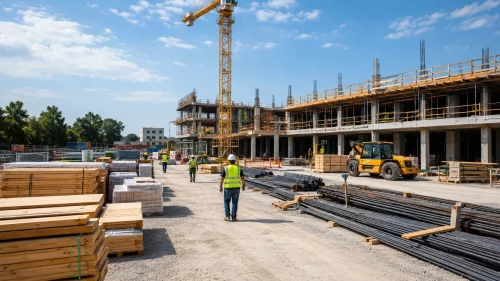 Site improvement starts with layout. A poorly organized jobsite wastes time every hour. Workers walk too far for tools, equipment blocks access, materials are delivered to the wrong location, and debris piles interrupt movement.
A better site layout should include:
- Clearly marked access roads
- Safe pedestrian routes
- Defined laydown areas
- Material zones by trade or phase
- Separate areas for reusable, recyclable, and discard material
- Clear equipment parking
- Protected storage for weather-sensitive materials
- Open access for emergency vehicles
- Clean paths to active work areas
3. Coordinate Waste and Debris Removal Early
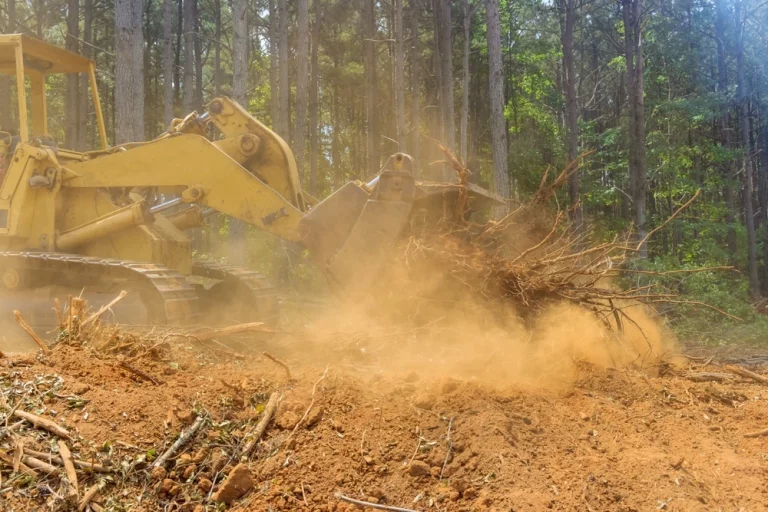
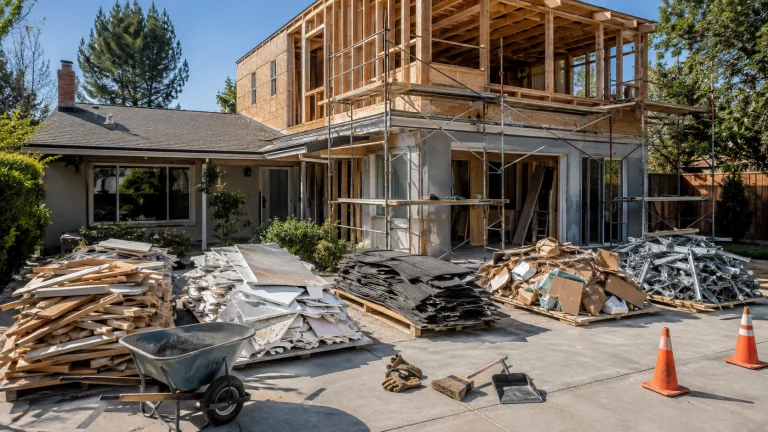
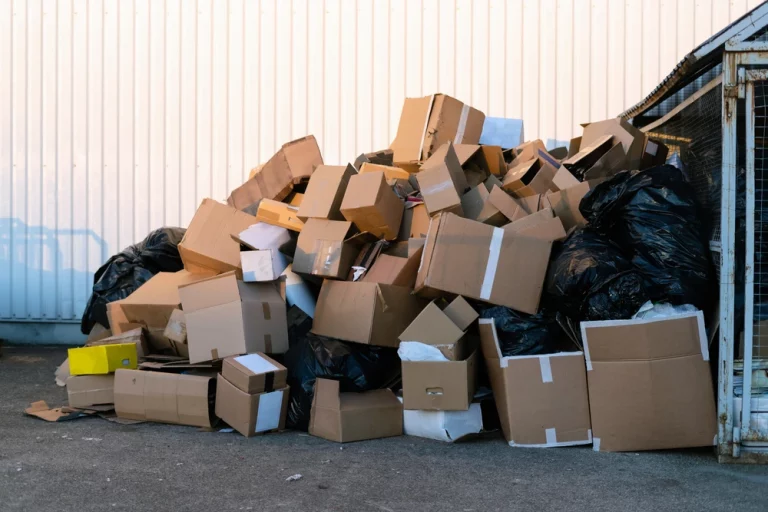
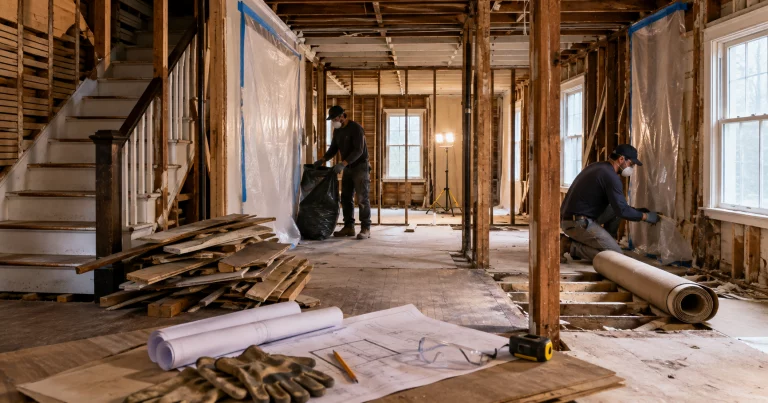
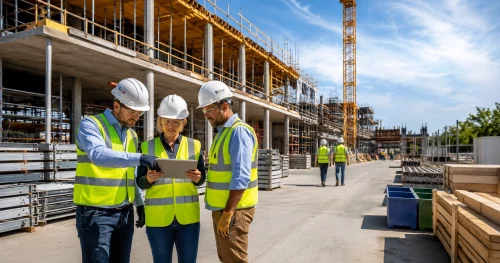 Debris management is one of the simplest ways to support efficiency in construction. A cluttered site slows work, increases trip hazards, blocks equipment movement, and makes it harder to tell what material is usable.
Plan for debris before work starts:
- Decide where debris will be staged.
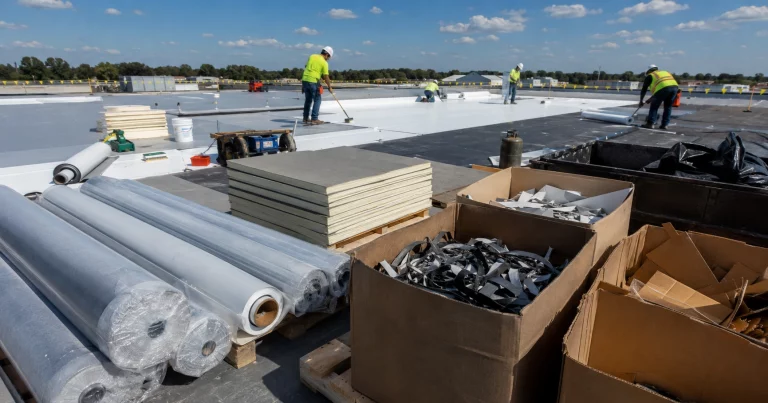
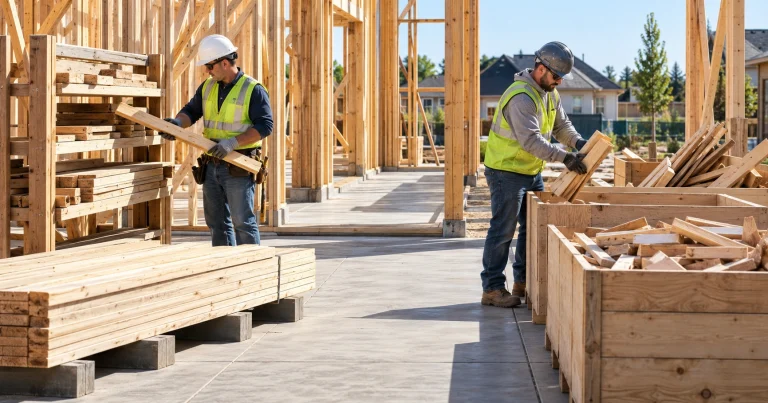
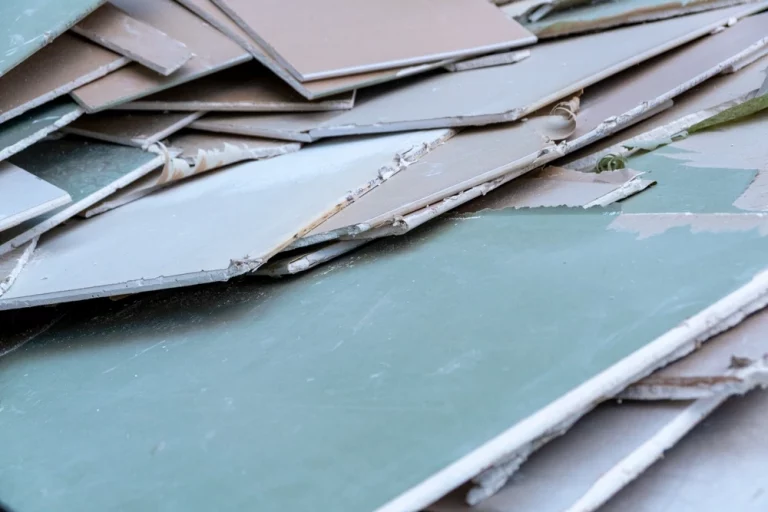
- Separate wood, metal, drywall, concrete, roofing, and general debris when practical.
- Keep heavy materials away from pedestrian routes.
- Schedule pickups before debris overflows into work areas.
- Assign cleanup responsibility by trade or zone.
- Keep access clear for loading and removal.
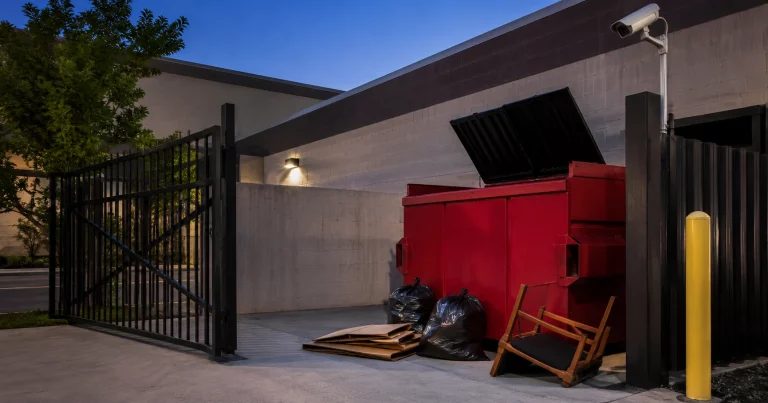
- Use an on-site debris container only for approved materials.
4. Use BIM for Better Coordination
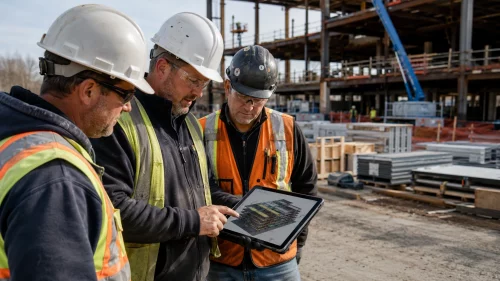 Building Information Modeling, or BIM, can improve construction efficiency by helping teams coordinate design, sequencing, quantities, and conflicts before work reaches the field. The National Institute of Building Sciences defines BIM as a digital representation of the physical and functional characteristics of a facility.
BIM is especially useful when multiple trades must fit work into the same spaces. Mechanical, electrical, plumbing, framing, structural, and finish work can conflict if the team relies only on disconnected drawings. A coordinated model can help reveal clashes, missing clearances, access issues, and sequencing problems earlier.
BIM can support:
- Clash detection
- Quantity planning
- Prefabrication coordination
- Model-based layout
- Trade sequencing
- Safety planning
- Maintenance handoff information
- Change communication
5. Adopt Prefabrication and Modular Planning Where It Fits
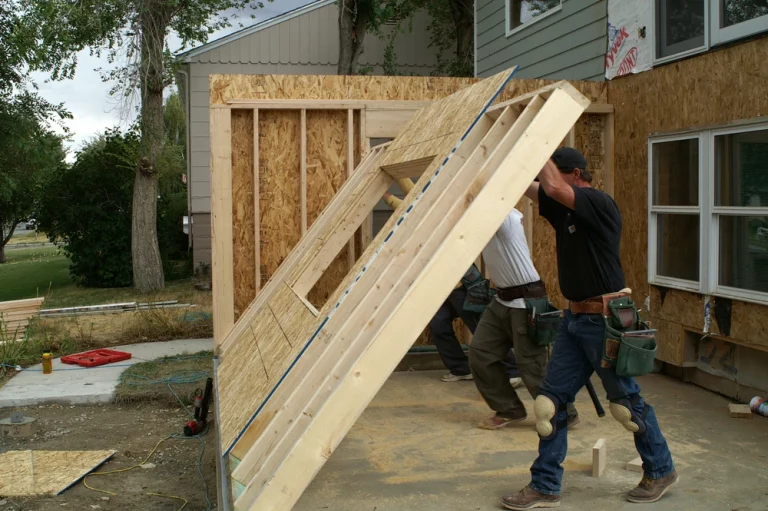
Prefabrication can improve efficiency by moving some work away from unpredictable field conditions and into controlled environments. Wall panels, MEP racks, bathroom pods, preassembled duct sections, stair components, and other assemblies can reduce on-site labor time when the project is suited for it. Prefabrication works best when design decisions are made early and measurements are reliable. It can fail when teams rush into prefabrication before conflicts are resolved. Benefits may include:- Less field cutting
- Reduced material waste
- Faster installation
- Better quality control
- Fewer weather delays
- Safer repetitive work
- More predictable labor planning
6. Improve Communication with Digital Tools
Communication problems are a major source of delay. Old drawings, missed change orders, unclear RFIs, undocumented field conditions, and scattered conversations can all slow the site. Digital tools can improve construction efficiency when they create one reliable place for current information. Project management platforms, mobile plan access, photo documentation, punch-list tools, scheduling apps, and field reporting systems can reduce confusion. Useful digital practices include:- Keeping the current plan set available to field crews
- Documenting field conditions with photos
- Tracking RFIs and submittals visibly
- Using mobile-friendly task lists
- Sharing daily reports promptly
- Assigning issues to a responsible person
- Avoiding important decisions trapped in text threads
7. Tighten Inventory and Delivery Management
Materials that arrive too late delay crews. Materials that arrive too early take up space, get damaged, or need to be moved repeatedly. Inventory control is a major part of construction resource efficiency. Improve inventory by:- Ordering from the current schedule, not old assumptions
- Confirming lead times before committing to dates
- Inspecting deliveries when they arrive
- Labeling materials by area or phase
- Protecting weather-sensitive items
- Avoiding overstock in tight spaces
- Returning, reusing, or recycling surplus material promptly
- Tracking high-value tools and equipment
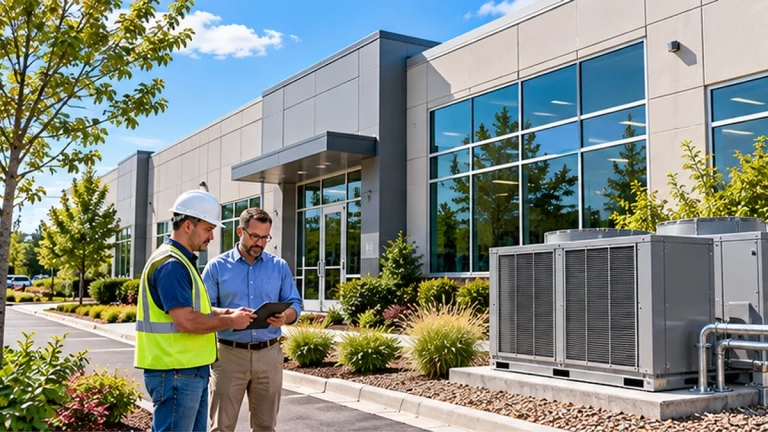
8. Conduct Regular Site Inspections
Regular inspections improve safety, quality, and workflow. OSHA’s recommended practices for construction safety and health programs emphasize a systematic approach built around core elements such as leadership, worker participation, hazard identification, hazard prevention, training, and improvement. Efficient sites do not wait for accidents, failed inspections, or major rework to find problems. They check conditions regularly. Site inspections should review:- Housekeeping
- Fall hazards
- Access routes
- Material storage
- Equipment condition
- Electrical safety
- Fire protection
- PPE use
- Open penetrations
- Trenching or excavation conditions
- Debris accumulation
- Weather-related hazards
9. Use Drones and Reality Capture for Site Visibility
Drones, site cameras, 360-degree photos, and reality capture tools can improve visibility across large or complex jobsites. They help project managers compare progress against plans, document conditions, inspect hard-to-reach areas, and communicate site status without relying only on written descriptions. Drones can support:- Progress documentation
- Site surveys
- Stockpile measurement
- Roof or exterior inspection
- Safety planning
- Logistics planning
- Owner updates
- Dispute documentation
10. Train Crews in Time Management and Task Readiness
Construction efficiency depends on people as much as tools. Crews need clear priorities, reliable schedules, and realistic daily goals. Time management training should focus on jobsite realities:- Understanding the day’s priority work
- Preparing tools and materials before starting
- Reducing unnecessary trips
- Reporting blockers early
- Coordinating with nearby trades
- Finishing work areas cleanly
- Protecting completed work
- Knowing when to stop and ask for clarification
Streamline Permits, Compliance, and Documentation
 Permit and compliance delays can stop work even when crews are ready. Treat documentation as part of production, not an office task disconnected from the field.
Track:
- Permit status
- Inspection deadlines
- Required notices
- Submittals
- Safety documents
- Environmental controls
- Waste records
- Change orders
- Daily reports
- Closeout documents
Keep Safety Connected to Efficiency
Safety and efficiency are not opposites. Unsafe sites lose time to injuries, shutdowns, investigations, rework, damaged materials, and crew hesitation. A clean, well-planned site usually moves better because workers can see hazards, reach materials, operate equipment, and communicate clearly. OSHA’s construction safety and health resources point contractors toward jobsite safety and health programs, hazard controls, training, emergency planning, and other practical steps. These measures support production because they reduce preventable disruption. Good safety practices include:- Keeping walking paths clear
- Removing debris regularly
- Marking hazards
- Using proper fall protection
- Maintaining equipment
- Training workers before tasks begin
- Holding subcontractors to the same rules
- Reviewing near-misses instead of ignoring them
Measure Efficiency, Not Just Activity
A busy jobsite is not always an efficient jobsite. Crews may look active while still losing time to missing information, repeated material moves, unclear sequencing, or work that will need to be redone. Track a few simple measures:- Percent of planned work completed
- Tasks delayed by missing materials
- Rework hours
- Equipment downtime
- Average delivery unloading time
- Number of RFIs waiting for response
- Safety issues corrected before work starts
- Amount of debris removed by phase
- Missed inspections or failed inspections
- Time spent moving material more than once