Key Takeaways
- Couches are bulky items with limited curbside disposal options.
- Donation, pickup, and removal services all have restrictions.
- Breaking down a couch can help, but only in certain situations.

How to Get Rid of a Couch: All Realistic Options
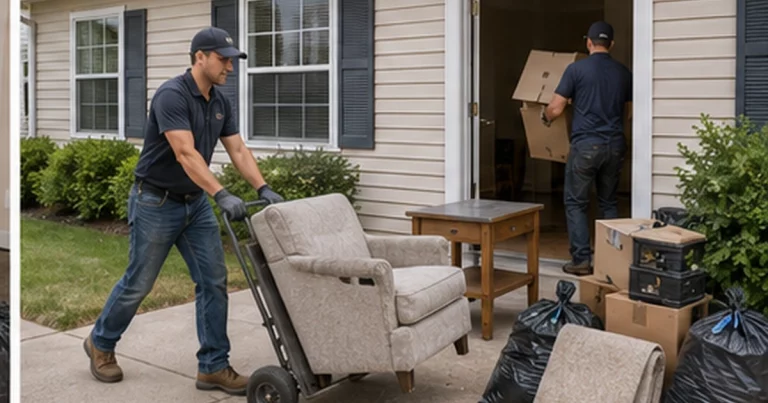
There is no single best way to get rid of a couch. The right option depends on the condition of the furniture and how quickly it needs to be removed. If the couch is clean, structurally sound, and free of major damage, donation may be an option. However, many donation centers have strict acceptance rules and limited capacity, so calling ahead is essential. Municipal bulk pickup is another possibility. Some cities allow scheduled pickup of large furniture items, but these services are often limited to specific days and quantities. When neither donation nor curbside pickup is practical, sofa removal services become the most reliable solution. These services handle lifting, hauling, and disposal, which is especially helpful for large or heavy couches.Why Couch Disposal Is Harder Than Expected
Couches are difficult to dispose of because of their size, weight, and materials. Many are too large to fit through doorways without maneuvering and too bulky for standard waste systems. Upholstered furniture also contains mixed materials, including wood frames, metal springs, foam, and fabric. This makes recycling difficult and limits disposal options. In addition, many disposal programs restrict upholstered furniture due to pest concerns, sanitation rules, or handling challenges. These factors explain why getting rid of a couch often requires more planning than expected.Determining the Condition of Your Couch
Before deciding how to dispose of your couch, you need to assess its condition thoroughly. This assessment will help you determine the most suitable disposal method. Visual Inspection:- Surface Wear and Tear: Check the upholstery for any stains, tears, or faded areas.
- Structure: Examine the frame for stability and check if there are any broken or creaking parts.
- Cushions: Press down on the cushions. If they don’t regain their shape, the foam may be worn out.
- Mechanisms: If your couch has reclining features or unfolds into a bed, ensure these mechanisms are working smoothly.
- Odors: Sniff for any unpleasant smells that might indicate mold or mildew presence.
- Allergens: Look for signs of insect infestations such as bed bugs, which could detract from the couch’s condition.
| Component | Check for |
|---|---|
| Fabric | Stains, tears, color fading |
| Frame | Breakage, stability |
| Cushions | Shape retention, firmness |
| Mechanical Parts | Ease of operation, broken elements |
| Odor & Cleanliness | Unusual smells, signs of pests |
Donating Your Old Couch
When your couch sees the end of its days with you, donating it is a sustainable way to pass it on. You can offer your couch a second life by giving to those in need, and, in many cases, benefit from a tax deduction.Charitable Organizations
Many charitable organizations welcome furniture donations, including couches in decent condition. Organizations such as The Salvation Army and Goodwill typically offer pickup services, making it convenient for you to donate. Not only do these donations support the charity’s work, but they often find their way to new homes through thrift stores. Always call ahead to confirm acceptance of large furniture donations.Donation Centers
Donation centers often serve as drop-off points for furniture like couches. Local thrift stores, including those operated by Habitat for Humanity ReStore, provide options where you can bring your couch. These centers repurpose and sell donated items, with proceeds supporting housing projects and other charitable activities. Make sure your couch is clean and in a condition suitable for reuse before heading to the donation center.Specialized Furniture Programs
Some programs specialize in furniture donations and cater specifically to community members in need. The Furniture Bank Network, for example, offers a meaningful way to give away your couch; it will directly help families struggling financially. Similarly, organizations such as the Vietnam Veterans of America provide a service where furniture donations aid veterans and their families. Check online for local furniture bank programs or veteran organizations near you that accept couch donations.When Donation Is and Isn’t an Option
Donation works best when a couch is still usable and meets cleanliness standards. Stains, odors, tears, or broken frames usually disqualify furniture from donation. Even when a couch is in good condition, donation centers may decline it due to space limitations or lack of demand. This is why scheduling a drop-off or pickup without confirmation can lead to wasted effort. Understanding donation limitations early helps avoid delays when time is a factor.What Happens When a Couch Can’t Be Donated
When donation is not possible, disposal becomes the next step. Many homeowners assume they can simply place the couch at the curb, but this is often not allowed without scheduling bulk pickup. Some municipalities require special tags or advance notice, while others limit the number of bulky items collected at one time. Missed pickups are common when rules are not followed exactly. In these cases, professional sofa removal services or controlled disposal options are often the most predictable way to clear the space.Sofa Removal Services vs DIY Couch Removal
When deciding how to get rid of a couch, one of the biggest choices is whether to handle removal yourself or use a sofa removal service. Each option has advantages depending on the situation. DIY couch removal works best when the couch is small, lightweight, and easy to maneuver. If you have help, a suitable vehicle, and clear access, moving the couch yourself can save money. DIY removal is also more realistic when curbside bulk pickup or drop-off options are available. Sofa removal services are often the better choice for large, heavy, or awkward couches. These services handle lifting, navigating tight spaces, hauling, and disposal. This is especially helpful for sectional sofas, sleeper couches, or furniture located in basements or upper floors. Time and physical strain are major considerations. What seems manageable in theory can quickly become exhausting or risky without proper equipment.Rent a Dumpster for Couch Disposal
 When you’re ready to say goodbye to your old couch, renting a dumpster is a convenient option. Dumpster rentals are particularly practical if you’re clearing out multiple pieces of furniture or a significant amount of waste at once. Here’s what you need to know:
- Size Matters: For a single couch, a 10-yard dumpster usually suffices. However, if you’re disposing of additional items, sizes up to 30-yard dumpsters are available.
- Residential vs. Commercial: If you’re cleaning out your home, residential dumpster rental services are tailored to fit personal projects and driveway spaces.
- Schedule Delivery: Plan according to your project timeline. Dumpster rental companies typically offer flexible timing for home dumpster rental.
| Dumpster Size | Suitable For |
|---|---|
| 10-yard | Single couch plus small items |
| 20-yard | Multiple furniture items plus other waste |
| 30-yard | Large-scale home cleanouts or renovations |
- Consider Weight: Couches can be heavier than you think. Ensure that your chosen furniture dumpster rental service can handle the weight of all your materials.
How to Break Down a Couch for Disposal
Breaking down a couch can make disposal easier in certain situations, but it is not always necessary or helpful. Knowing how to break down a couch properly helps avoid extra work and mess. Start by removing loose components such as cushions, pillows, and removable covers. These pieces can often be disposed of separately and reduce the size of the remaining frame. Next, turn the couch upside down to access the underside. Most couches are covered with a thin fabric stapled to the frame. Removing this fabric exposes the internal structure, including the wooden frame and metal springs. Using basic hand tools, you can begin separating larger sections. Arms, backs, and bases are often attached with bolts or screws that can be removed. Cutting fabric and foam away from the frame helps reduce bulk. For metal components like springs, wire cutters or bolt cutters may be required. These parts should be handled carefully, as cut metal edges can be sharp.When Breaking Down a Couch Actually Helps
Breaking down a couch is most helpful when:- Disposal options require smaller pieces
- Transportation space is limited
- You plan to separate materials for disposal or recycling
Tools and Time Required to Break Down a Couch
Breaking down a couch typically requires basic tools such as a screwdriver, utility knife, pliers, and possibly a saw or bolt cutters. Protective gloves are strongly recommended. Time varies depending on couch construction. Simple couches may take under an hour, while larger or reinforced frames can take much longer. Planning for cleanup is important. Breaking down a couch creates loose fabric, foam, and debris that must be bagged and disposed of properly.Safety Considerations During DIY Sofa Removal
Safety is often overlooked during couch removal. Couches are heavier than they appear and awkward to carry, which increases injury risk. Lifting with proper technique, wearing gloves, and having enough help reduces strain. Cutting tools should be used carefully, and sharp edges should be handled with caution. If a couch must be moved up or down stairs, extra care is required. In many cases, this is where professional sofa removal becomes the safer choice.Common Mistakes People Make When Getting Rid of a Couch
One of the most common mistakes is assuming a couch can be placed at the curb without checking local rules. Many municipalities require scheduled bulk pickup or limit the number of large items collected at one time. Leaving a couch out without approval often results in it being left behind. Another mistake is waiting too long to explore options. Donation centers and bulk pickup services often have limited availability. When time becomes tight, choices become more expensive or stressful. Some people also underestimate how difficult it is to move a couch. Tight hallways, staircases, and door frames can turn removal into a risky situation without proper planning or help. Finally, breaking down a couch without a clear disposal plan can create more mess without solving the core problem.How Disposal Rules Affect Sofa Removal
Disposal rules play a significant role in how to get rid of a couch. Upholstered furniture is often treated differently than standard household waste due to sanitation and handling concerns. Some facilities accept couches as bulky waste, while others require special drop-off locations or charge additional fees. Mixed materials inside couches also limit recycling options. Understanding these rules early helps you choose the most efficient removal path.Recycling Options
When deciding to part ways with an old couch, recycling provides an environmentally conscious solution. It’s important to identify materials in your couch that can be recycled and locate appropriate recycling facilities.Recycling Facilities
Your nearest recycling center may accept large items like couches for recycling. These centers often disassemble the couch to sort out recyclable materials. The wood frame, foam core, and certain fabrics can often be processed and repurposed. To find a center near you that will recycle it, contact local facilities to inquire about their policies or look for specialized furniture recycling services.- Materials Accepted: Usually wood, metal, foam, and fabric
- Preparation Required: Remove non-recyclable components (like sleeper mechanics)
- Drop-off or Pick-up: Check if the facility requires you to bring the couch or if they offer pick-up service
Eco-Friendly Disposal
For a more eco-friendly disposal option, hunt for services that focus on upcycling or repurposing old furniture. These organizations not only recycle, but creatively transform upholstery or wood parts into new items, thereby reducing waste.- Upcycle: Local artists or woodworkers might accept components for projects.
- Wood & Fabric Recycling: Some companies specialize in recycling wood frames and fabric, turning them into new products or energy sources.
If You Can’t Sell or Donate
 In situations where selling or donating your old couch isn’t an option, you’re faced with disposing of it. This section guides you through the necessary steps to ensure your couch is discarded responsibly.
Throwing Away Your Couch
If you decide to throw away your couch, be mindful that not all waste management services will accept bulky furniture items for regular curbside pickup. It’s crucial to check your local waste management policies to avoid leaving an uncollected couch on the curb. In some cases, you might need to schedule a special pickup or rent a dumpster. Renting a dumpster can be a convenient choice if you’re managing a large cleanout, but it’s essential to understand dumpster rental fees often factor in both the rental duration and the weight of the discarded items.- Check local waste management guidelines for bulky item disposal.
- Consider renter’s restrictions and HOA rules if applicable.
Couch Removal Tips
Planning and preparation are key when it comes to couch removal. If a trash service is handling the disposal, here are a few tips to consider:- Disassemble your couch if possible. Separate cushions, legs, and other easily removable parts to make transport easier and potentially fit within the confines of your regular trash pickup.
- Look into your area’s regulations regarding furniture disposal. Some regions offer bulk waste pickup days where items like old couches can be collected, saving you the hassle and fees of other disposal methods.
- Contact a junk removal service if you require assistance. These services can handle the heavy lifting and ensure that your couch is disposed of correctly, though they come at a cost. Knowing the volume or weight of your couch can give you a more accurate estimate when inquiring about these services.
- Schedule a pickup with a local trash or junk removal service in advance.
- Research local services’ fees and choose the most cost-effective and responsible option.
Creative Alternatives
When your old couch no longer suits your needs, creative alternatives can revitalize the piece or help you transition to something new that better fits your space.Upcycling Ideas
You may not need to discard your couch if it’s showing signs of wear like sagging or loose springs. Often, these issues can be remedied with some reupholstering or repair. By selecting a new fabric that complements your room, you not only restore the couch’s comfort, but you also get a custom piece that feels brand new.- Materials Needed for Reupholstering:
- Fabric
- Staple gun and staples
- Screwdriver
- Scissors
Trade-In Deals
If repair isn’t an option, consider looking for trade-in deals with furniture retailers. Some stores will take your old couch off your hands if you’re purchasing a new piece from them. This can be a hassle-free way to upgrade to a new sleeper sofa or futon mattress while being eco-friendly by keeping your old sofa out of a landfill.- Steps to Trade In Your Sofa:
- Research retailers offering trade-in options.
- Contact the store to confirm the details of the trade-in offer.
- Prepare your couch for the trade by cleaning it thoroughly.
- How to Give Away Your Couch on Freecycle:
- Create a Freecycle account.
- Post a detailed and honest description of your couch.
- Arrange a pickup with the interested party.