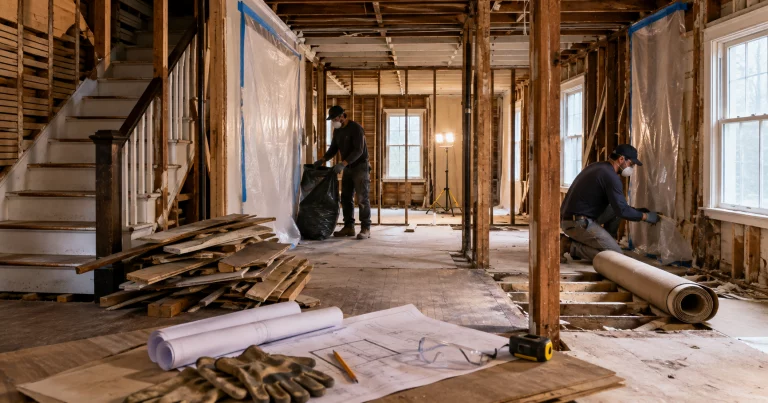
Start With a Simple Bathroom Remodel Plan
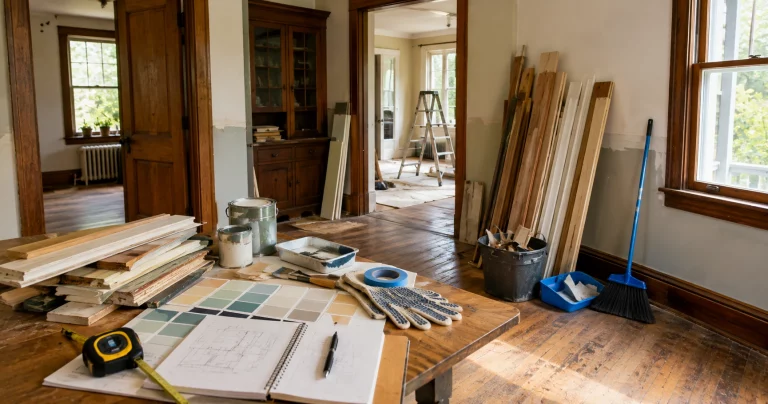
 Before buying tile or fixtures, decide what actually needs to change.
Walk through the bathroom and make three lists: what is worn out, what does not function well, and what simply looks dated. That helps separate necessary repairs from optional upgrades.
A simple bathroom renovation might include:
- Repainting the walls and vanity
- Replacing cabinet hardware
- Installing a new mirror
- Updating the faucet or showerhead
- Improving lighting
- Adding better storage
- Recaulking appropriate joints
- Replacing worn flooring
- Updating a toilet or vanity without moving plumbing
1. Refresh the Walls With Bathroom-Appropriate Paint
Painting is one of the easiest simple bathroom remodel ideas because it can change the room dramatically without altering its layout. Choose a coating that the manufacturer recommends for bathrooms or other humid interior spaces. The best sheen depends on the product, the wall condition, and your preferred appearance, so there is no need to assume that every bathroom requires a high-gloss finish. Before painting, fix peeling areas, leaks, condensation problems, and visible mold. New paint does not solve an underlying moisture problem. EPA bathroom remodeling guidance emphasizes controlling moisture and correcting water problems to prevent recurring mold. Lighter colors can make a compact room feel brighter, while deeper colors can work well on a vanity, accent wall, or powder room. Sample the color under the bathroom’s actual lighting before committing to the entire space.2. Paint or Refinish the Existing Vanity
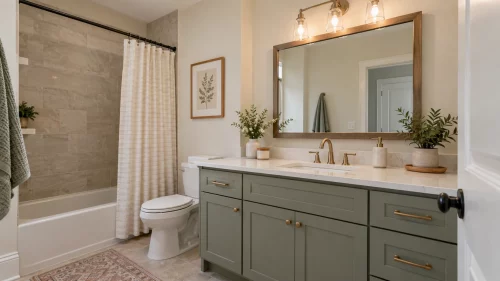 If the vanity box is solid and the layout works, replacing it may be unnecessary.
A carefully prepared paint job can give an older vanity a completely different appearance for much less than a full replacement. Remove the doors and hardware, clean the surfaces thoroughly, repair damage, sand or prepare the finish as required by the coating manufacturer, and use products appropriate for cabinetry.
New pulls or knobs can complete the change.
Refinishing makes the most sense when the cabinet itself is dry and structurally sound. Swollen particleboard, severe water damage, active leaks, or deterioration around the sink may justify replacement instead of a cosmetic cover-up.
3. Replace the Mirror
A new mirror is one of the easiest basic bathroom remodel ideas with a large visual payoff. Replacing a builder-grade plate mirror with a framed, arched, round, or simply better-proportioned mirror can give the vanity area a more finished appearance. A larger mirror can also reflect more light through the room. Measure the vanity, faucet height, backsplash, lighting, and available wall area before ordering. Make sure the mounting hardware is appropriate for the mirror’s weight and the wall construction. A mirrored medicine cabinet can serve two purposes at once by adding both a reflective surface and concealed storage.4. Update Vanity Lighting
Lighting affects how the entire bathroom looks and how well it functions. If the existing fixture is dated but the electrical box and location are appropriate, replacing the fixture can be a relatively contained update. For grooming, lighting placed near face level can reduce some of the shadows created by a single ceiling fixture. Bathrooms also require extra attention to electrical safety because water and electricity are present in the same small space. The U.S. Consumer Product Safety Commission recommends GFCI protection in potentially damp locations such as bathrooms. Electrical codes and permit requirements can vary by jurisdiction, so wiring changes, added receptacles, or uncertain existing conditions are good reasons to use a qualified electrician. Choose fixtures that are listed for the location where they will be installed, particularly near tubs and showers.5. Swap Out Cabinet Hardware and Accessories
Small details can make a simple bathroom refresh feel coordinated. Replace dated drawer pulls, cabinet knobs, towel bars, robe hooks, toilet-paper holders, and similar accessories with a consistent family of finishes. You do not need every metal in the room to match perfectly, but repeating one or two finishes usually makes the space feel intentional. Before drilling new holes in tile, stone, or cabinetry, confirm measurements and mounting locations. Reusing the existing hole spacing on cabinet doors and drawers can make a hardware update faster and easier. This is also a good point to remove accessories that create clutter but are rarely used.6. Upgrade the Faucet Without Moving the Sink
Replacing a worn or dated bathroom faucet can modernize the vanity without changing the room layout. The easiest replacement uses the existing sink and compatible faucet-hole configuration. Check the number of holes, spacing, supply connections, drain components, and clearance behind the faucet before purchasing. If water efficiency matters to you, EPA’s WaterSense label identifies independently certified products that meet water-efficiency and performance criteria. WaterSense includes bathroom sink faucets and other plumbing fixtures. A dripping faucet or leaking drain should be repaired rather than treated as a cosmetic issue. Water damage inside a vanity or wall should be corrected before installing new finishes.7. Install a Better Showerhead
A showerhead replacement is one of the simplest bathroom redo ideas because it can improve the daily experience without changing the shower enclosure. Options include fixed, handheld, and combination models. EPA’s WaterSense program labels qualifying showerheads that meet efficiency and performance requirements, giving homeowners an easy way to compare water-saving options. Before installation, make sure the new showerhead is compatible with the existing shower arm and system. If you want to add multiple outlets, body sprays, a new mixing valve, or concealed plumbing, the project is no longer a simple fixture swap and may require plumbing work and code review.8. Recaulk Where Existing Sealant Has Failed
Old, cracked, separated, or mildewed sealant can make an otherwise clean bathroom look worn. Removing failed caulk and replacing it in appropriate joints around fixtures can sharpen the appearance and help manage water at those transitions. The surface should be clean and dry before new sealant is applied, and the product should be suitable for the specific bathroom application. Caulk is not a substitute for a properly waterproofed shower assembly. If water is getting behind tile, the wall feels soft, flooring is swollen, or staining keeps returning, investigate the source rather than simply sealing over the symptoms. For recurring moisture problems behind finishes, Waste Removal USA’s guide to mold in walls explains common warning signs and next steps.9. Improve Storage Without Filling the Floor
A simple bathroom renovation should make the room easier to use, not just different to look at. In smaller bathrooms, wall space is often more useful than additional floor furniture. Consider:- A recessed or surface-mounted medicine cabinet
- Floating shelves outside direct splash zones
- Wall-mounted towel hooks
- Over-the-toilet cabinetry
- Drawer organizers
- A vanity with functional drawers
- Shallow shelving for frequently used items
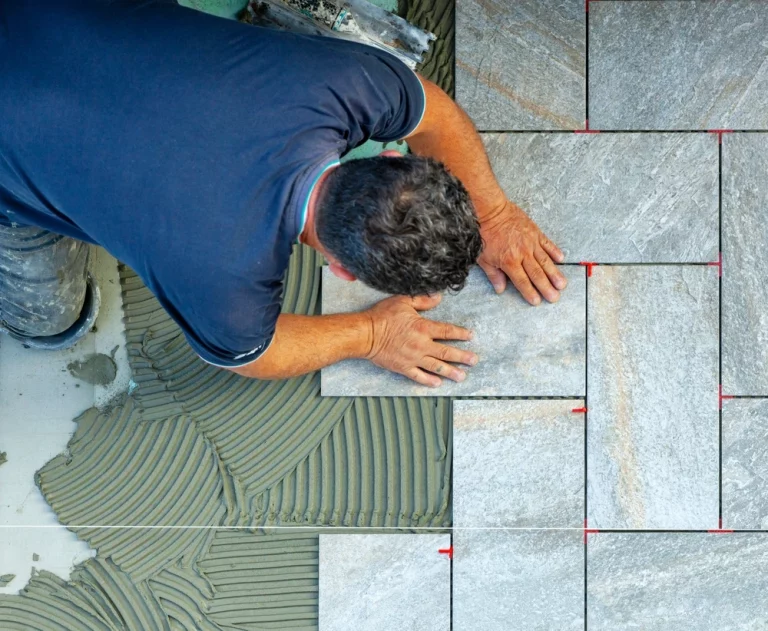
10. Replace Worn Flooring with a Bathroom-Suitable Material
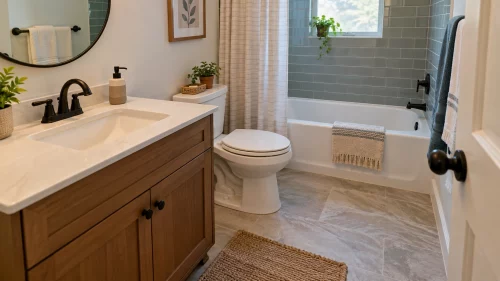 New flooring can make a basic bathroom remodel look much more complete, but bathrooms place unusual demands on flooring.
Choose a product whose manufacturer approves it for the intended bathroom installation. Water resistance, cleaning requirements, underlayment, subfloor condition, and slip performance should all be considered.
Porcelain and ceramic tile remain common choices, while many resilient flooring products are designed for wet residential environments. Do not assume that every product marketed as vinyl or every peel-and-stick tile is appropriate for every bathroom location.
Removing old flooring may also expose damaged subflooring or older materials that should not be disturbed casually. EPA asbestos guidance for remodeling advises homeowners who suspect asbestos-containing material, including certain older floor tiles, to have material that will be disturbed evaluated by a properly trained and accredited asbestos professional.
If flooring removal creates a significant volume of material, review Waste Removal USA’s advice on construction debris removal before demolition.
11. Update the Toilet While Keeping the Same Location
A toilet replacement can improve appearance and, depending on the old fixture, water efficiency without redesigning the room. Measure carefully before purchasing. Rough-in dimensions, wall clearance, door clearance, seat height, bowl shape, and the footprint left by the old toilet can affect whether a new model fits comfortably. WaterSense-labeled toilets are independently certified for efficiency and performance. Keeping the toilet in the same location generally makes the project much simpler than relocating the drain and supply. Any evidence of a leaking seal, damaged flange, soft flooring, or water damage around the toilet should be addressed during replacement rather than hidden beneath new flooring.12. Add a New Shower Curtain or Upgrade the Enclosure
Not every shower needs an expensive glass enclosure. A new curtain and rod can be an inexpensive simple bathroom refresh, particularly when the existing tub or shower is in good condition. In a small bathroom, a lighter curtain can also make the room feel less visually divided. If you prefer glass, replacing an old enclosure may modernize the room, but measure carefully and use an enclosure designed for the existing shower or tub configuration. Frameless and heavy glass systems require appropriate support and installation. Treat them as a construction component rather than a decorative accessory.13. Improve the Bathroom Exhaust Fan
Ventilation is one of the least glamorous bathroom remodeling ideas, but it can be one of the most important. EPA recommends effective bathroom ventilation to remove moisture and states that bathroom exhaust should discharge outdoors rather than into an attic or other enclosed space. A fan that makes noise is not necessarily moving enough air. If the room stays damp long after showers, the mirror remains heavily fogged, paint peels, or mildew repeatedly returns, assess the ventilation before investing only in new finishes. Replacing or adding a fan can involve electrical work and ducting, so installation requirements may extend beyond a simple DIY swap. Fixing ventilation while the room is already being remodeled is often easier than reopening finished surfaces later.14. Upgrade the Backsplash or Vanity Wall
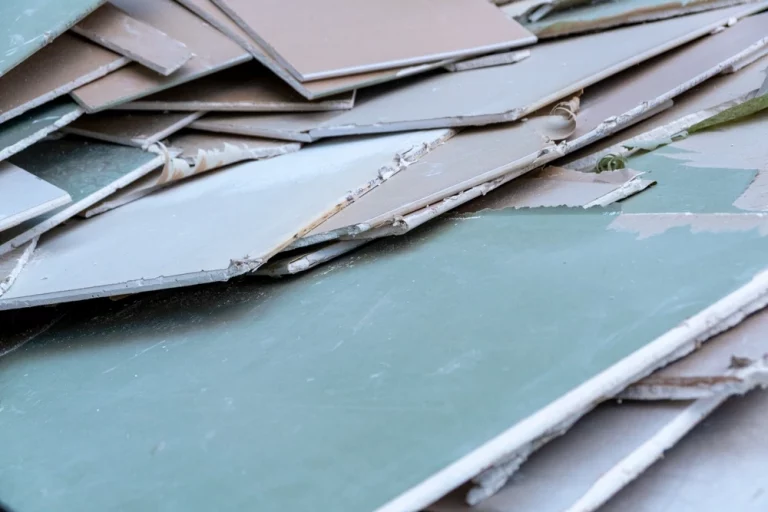
A small backsplash can add color and texture without committing to a fully tiled bathroom. Tile behind the vanity is generally a more manageable project than rebuilding a shower because it is not exposed to the same amount of water. Depending on the wall and product, other decorative wall treatments may also be appropriate outside wet areas. Wallpaper can work in some bathrooms when the manufacturer approves the product for humid conditions and the room has adequate ventilation. Peel-and-stick products can also be useful in suitable dry or lightly splashed locations, but they should not be assumed to replace a code-compliant waterproofing system in a tub or shower. If wall removal is part of the project, Waste Removal USA’s guide to drywall and plaster disposal can help with cleanup planning.15. Keep the Layout When You Want a Truly Simple Remodel
The fastest way for a simple bathroom remodeling project to become complicated is to start moving major plumbing fixtures. Relocating a toilet, shower, tub, or sink can involve drain and vent changes, water-supply work, floor or wall demolition, inspections, and repairs to surrounding finishes. Moving walls can add structural and electrical considerations as well. If your existing layout functions reasonably well, keep it and spend the budget on the features you see and touch every day. A new vanity, mirror, lighting, faucet, showerhead, flooring, paint, and storage can make the room feel substantially different while limiting demolition. For a project that extends beyond the bathroom, Waste Removal USA’s home renovation planning guide can help organize the broader scope.Know When a Simple Bathroom Remodel Needs Professional Help
Cosmetic work and system work should not be treated as the same thing. Consider hiring an appropriate qualified professional when the project involves:- New or relocated electrical wiring
- Plumbing supply, drain, or vent changes
- Moving walls or changing structural components
- Shower waterproofing beyond a surface-level repair
- Persistent leaks or concealed water damage
- Major mold or moisture problems
- Materials suspected of containing asbestos
- Lead-painted surfaces that will be disturbed
- Permitted work required by your local jurisdiction
Plan for Bathroom Remodeling Debris Before Demolition
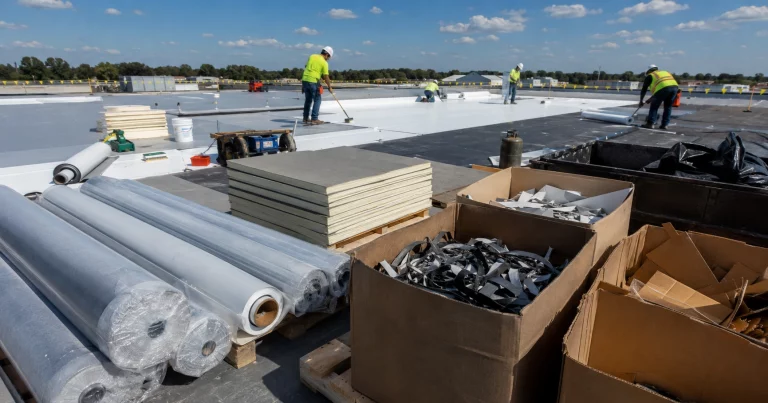
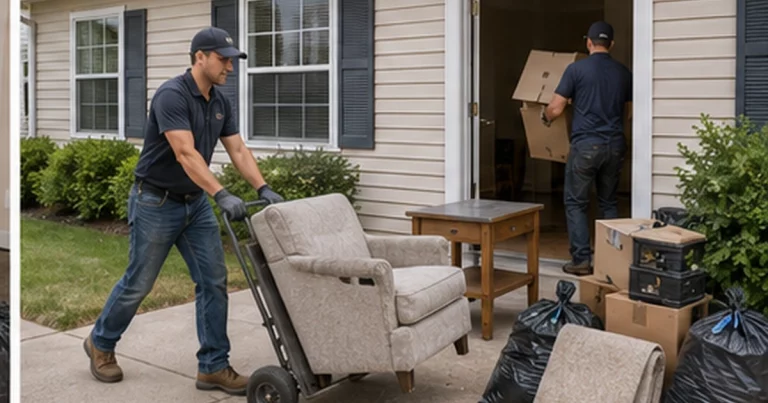
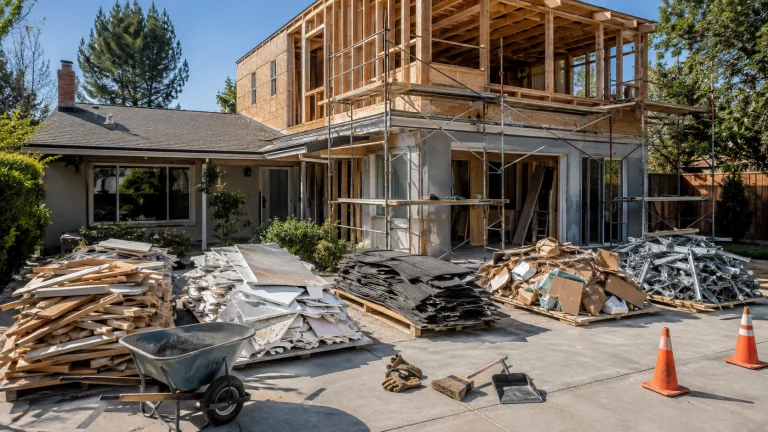
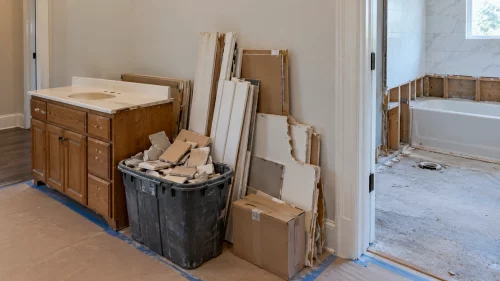 Even a simple bathroom remodel can generate more debris than expected. An old vanity, toilet, flooring, drywall, tile, packaging, trim, and damaged materials take up space quickly.
Separate reusable or recyclable items when practical and when local facilities accept them. Keep hazardous or restricted materials out of ordinary construction debris streams and follow local disposal rules.
For larger bathroom renovations, an on-site cleanup container can make demolition and cleanup easier to organize. Waste Removal USA can help you find service options in your area and plan for the type and volume of debris your project is likely to create.
Avoid demolishing questionable materials simply to make disposal easier. Lead, asbestos, mold-contaminated materials, and certain household chemicals may require specific handling or disposal procedures.