Why Brick Disposal Requires Planning
Bricks are durable by design. That is what makes them useful in construction, but it also means they do not disappear after a project. They take up space, add a lot of weight, and can be difficult to move without the right plan. EPA identifies bricks as a common construction and demolition material, along with concrete, wood, asphalt, gypsum, metals, glass, plastics, and other building components. EPA’s sustainable management of construction and demolition materials guidance also notes that C&D materials can often be diverted from disposal and managed into new productive uses. Planning brick disposal early can help you:- Keep the work area safer
- Avoid overloading vehicles
- Reduce landfill use
- Find reuse or recycling options
- Keep clean brick separate from mixed debris
- Prevent extra handling later
- Follow local disposal rules
Start by Sorting the Bricks
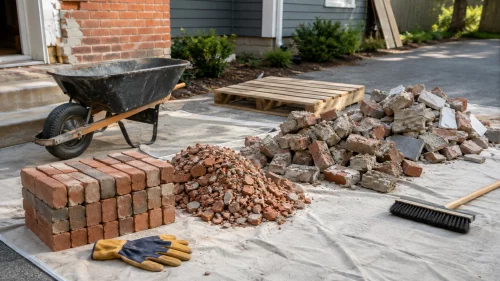 Before deciding where to dump bricks near me, sort the pile. Condition matters.
Create separate groups for:
- Whole clean bricks
- Whole bricks with mortar
- Broken bricks
- Brick rubble
- Mixed brick and concrete
- Brick with soil or landscaping debris
- Painted or coated brick
- Brick from a chimney, fireplace, or older structure
Reuse Whole Bricks First
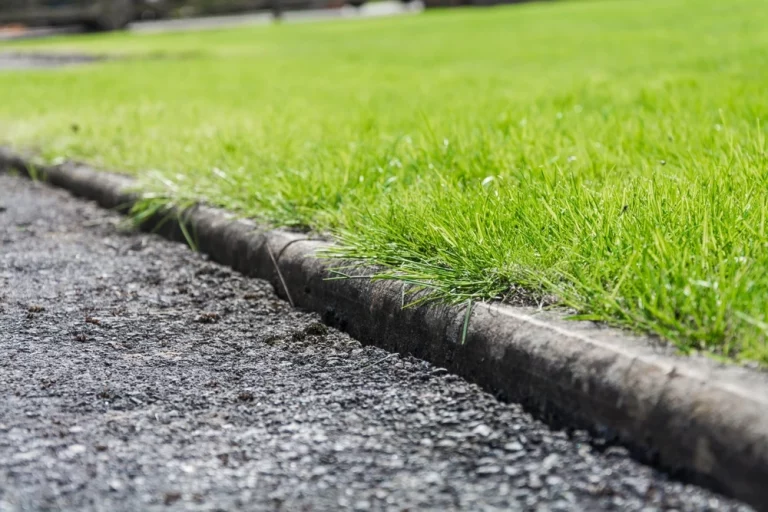
The easiest form of brick recycling is reuse. If the bricks are whole, clean, and structurally sound, someone may be able to use them again without processing. Reusable bricks can work for:- Garden borders
- Walkways
- Patio accents
- Fire pit surrounds where appropriate
- Edging
- Raised beds
- Small retaining features
- Decorative landscaping
- Repairing matching brickwork
- Craft or garden projects
Donation May Work for Clean Building Materials
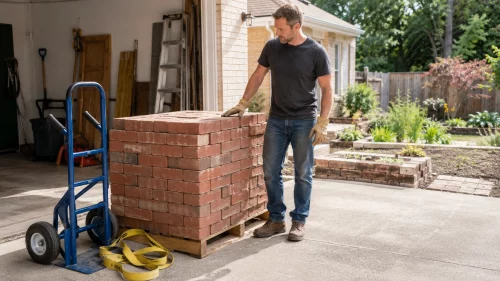 Donation can be a good option for clean, usable bricks, but it is not guaranteed. Many reuse centers, nonprofit building material stores, and community projects have limited space and specific acceptance rules.
Habitat for Humanity says Habitat ReStores accept new and gently used furniture, appliances, housewares, building materials, and more, but each ReStore is unique. Their donation page recommends contacting the nearest ReStore to explain what items you have and confirm the best donation method before bringing items in.
That means you should call first. Do not load a truck full of bricks and assume a donation center will take them. Ask whether they accept brick, how clean the brick must be, whether they take partial pallets, and whether drop-off requires an appointment.
Find Brick Recycling Near Me
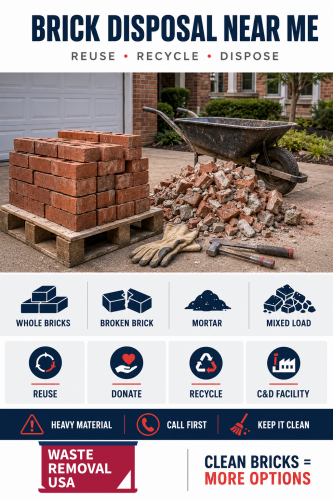 Searching for brick recycling near me or recycle bricks near me can help you find local facilities that accept masonry material. Possible options include C&D recycling facilities, concrete recyclers, masonry yards, landscape supply yards, aggregate processors, transfer stations, and municipal construction material programs.
When calling, ask:
- Do you accept brick?
- Do you accept broken brick?
- Must mortar be removed?
- Can brick be mixed with concrete?
- Do you accept painted brick?
- Is there a minimum or maximum load size?
- Are there weight-based fees?
- Do you require proof of residency?
- Are commercial loads handled differently?
When a C&D Facility or Brick Dump Is the Right Option
Some people search for a brick dump when they really need a construction and demolition facility, transfer station, or landfill that accepts masonry debris. EPA explains that C&D landfills receive construction and demolition debris, including roadwork material, excavated material, demolition waste, construction and renovation waste, and site-clearance waste. EPA also notes that C&D landfills do not receive hazardous waste unless permitted to do so. A C&D facility may be the right choice when:- Bricks are broken
- Mortar is attached
- The load includes brick and concrete
- Reuse is not practical
- Recycling is not available nearby
- The project generated mixed construction debris
Free Brick Disposal Near Me: What Is Realistic?
Free brick disposal near me is possible in some cases, but usually only when the bricks are reusable. Free or low-cost options may include:- Giving bricks away online
- Offering them to neighbors
- Contacting garden clubs or community gardens
- Asking local builders or masons
- Donating to a reuse center if accepted
- Saving them for future landscaping
- Using them as clean fill where local rules allow
How to Prepare Bricks for Pickup, Recycling, or Drop-Off
Good preparation makes brick disposal easier and safer. Steps to prepare bricks:- Remove trash, wood, plastic, and soil from the pile.
- Separate whole bricks from broken brick rubble.
- Knock off loose mortar if required by the facility.
- Stack whole bricks neatly.
- Use pallets only if they are stable and can be moved safely.
- Keep brick away from driveways, sidewalks, and walk paths.
- Avoid stacking too high.
- Check vehicle payload limits before hauling.
- Wear gloves, eye protection, and sturdy footwear.
Brick vs. Concrete Disposal
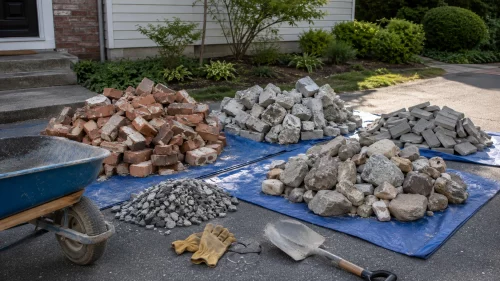 Brick and concrete are often handled together, but they are not always accepted the same way. Some recyclers take both. Others want clean concrete only. Some accept mixed masonry rubble, while others separate loads by material.
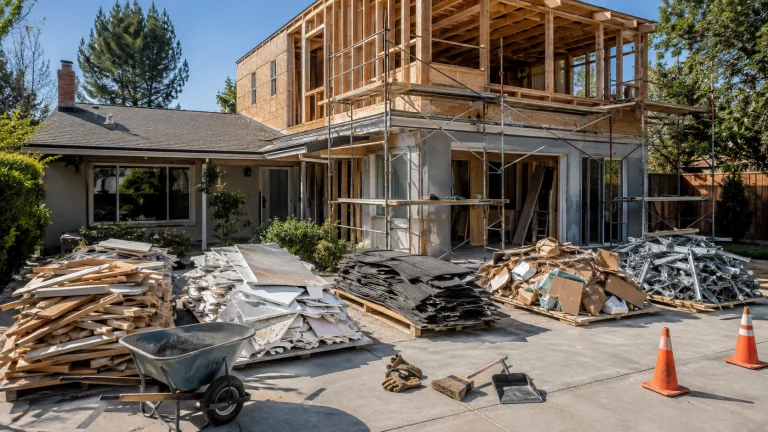
If your project includes concrete chunks, blocks, pavers, or slab pieces, see our guide to how to dispose of concrete. For broader renovation debris, see construction debris removal. If the brick pile is mixed with gravel, stone, or old landscaping material, landscape rock removal may also help with sorting and cleanup planning.
What Not to Mix with Bricks
Do not mix brick loads with questionable materials unless the facility specifically says it is allowed. Keep separate:- Paint cans
- Solvents
- Fuel or oil
- Treated wood
- Insulation
- Asbestos-containing material
- Household trash
- Electronics
- Batteries
- Fluorescent bulbs
- Wet debris
- Soil with contamination concerns