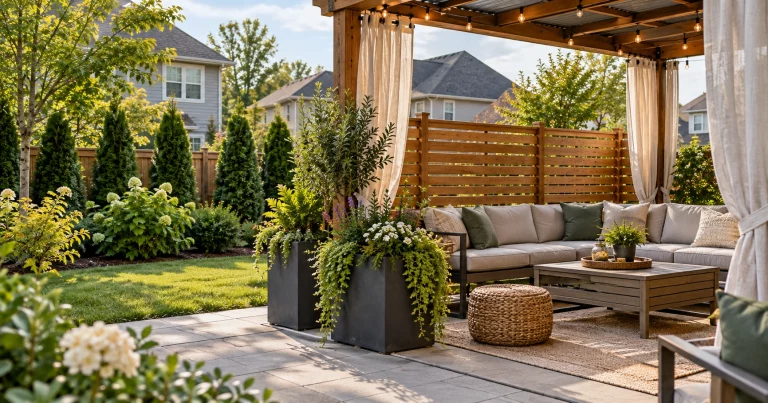
What Are the Best Back Porch Ideas on a Budget?
 The best low-cost back porch improvements are usually cleaning, rearranging, painting, adding outdoor textiles, improving lighting, using plants, and creating one clear purpose for the space. These projects change how the porch looks and feels without requiring a new foundation, roof, or major structural work.
Start by deciding what you want the porch to do. It might be a morning coffee area, outdoor dining space, reading corner, play area, entertaining space, or a transition between the house and backyard. Trying to serve every purpose can make a porch crowded.
Once you know the main use, spend your budget around it. Two comfortable chairs and a small table may be more useful than filling the porch with several inexpensive pieces that leave little room to move.
Start by Cleaning and Clearing the Porch
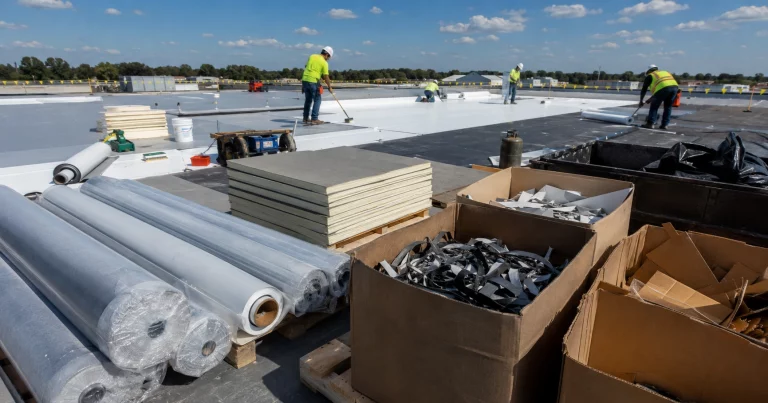
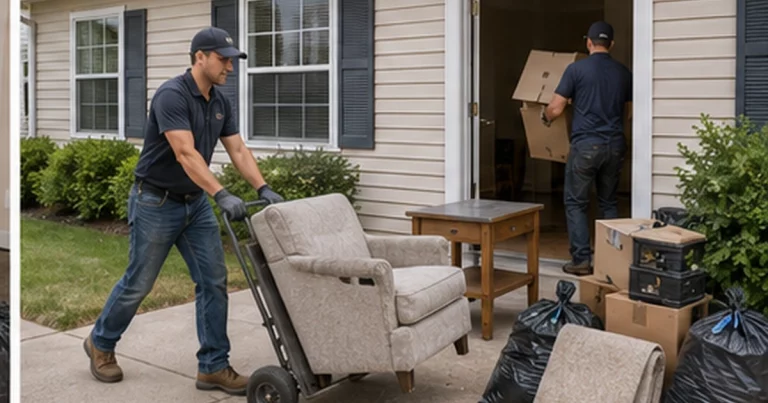
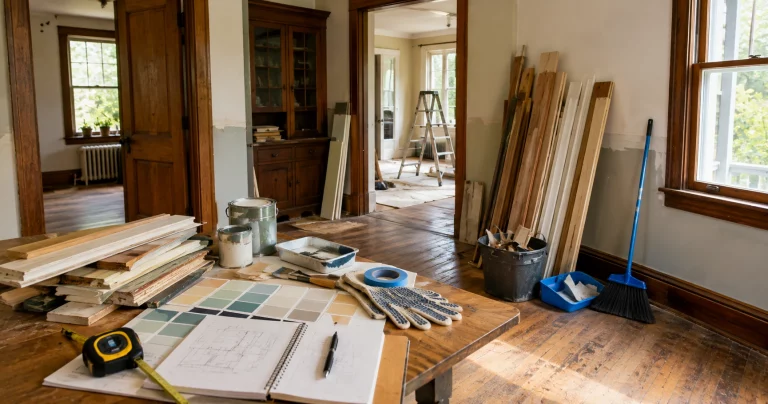
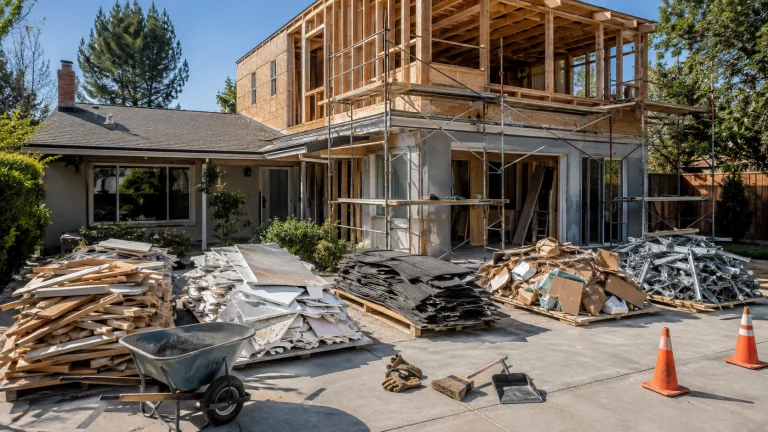
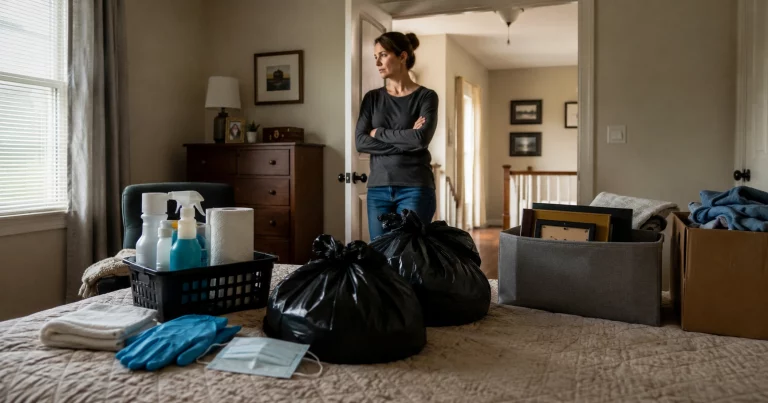
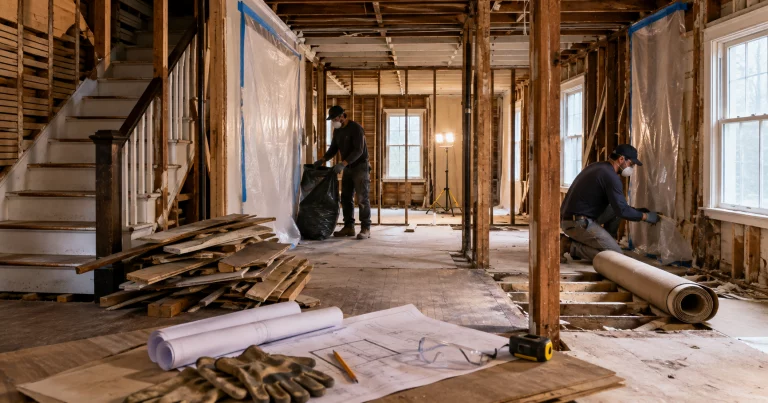
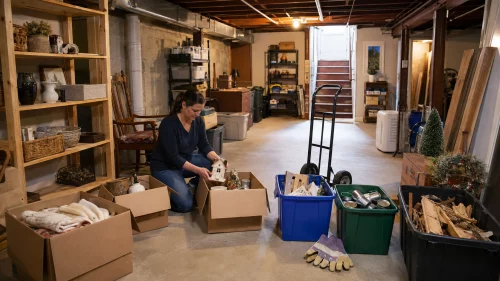
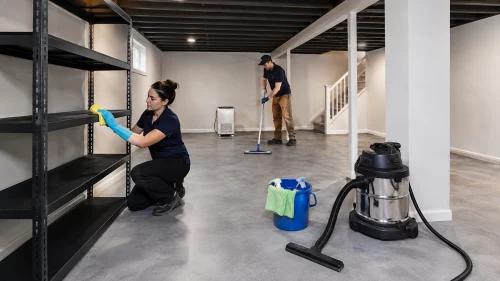
One of the least expensive porch upgrades is simply removing what no longer belongs there. Old planters, damaged furniture, broken decorations, unused toys, empty storage bins, rotted mats, and leftover project materials can make even a good porch feel neglected. Clear the porch enough to see the floor, railings, posts, steps, ceiling, and house connection. Sweep or wash surfaces as appropriate, clean furniture that is staying, and inspect wood for peeling finishes, loose fasteners, soft spots, rot, or insect damage. Do not decorate over structural problems. A loose railing, rotted stair tread, damaged support post, or sagging section needs attention before furniture, curtains, planters, or new finishes are added. If the cleanup expands into repair or removal work, Waste Removal USA’s construction debris removal guide can help you plan how to separate usable materials from approved renovation debris.How Do You Plan a Small Back Porch on a Budget?
 Small porches benefit from restraint. Keep the center or primary walking path open and place furniture along walls, railings, or corners where it will not interfere with doors and steps.
Measure before buying anything. Note the width of the porch, door swing, stair opening, railing locations, outlet locations, and any area that needs to remain clear. A folding table that looks small in a store can still overwhelm a narrow porch.
For a compact setup, consider:
- Two chairs with one small side table
- A narrow bench instead of several chairs
- Folding or stackable seating
- A storage bench for cushions or outdoor items
- Wall-mounted or hanging planters where the structure can safely support them
- One outdoor rug sized to define the seating area without blocking doors
- A slim serving cart that can be moved when not needed
How Can You Create Comfortable Seating Without Spending Much?
Comfort does not require a matching outdoor furniture collection. Existing chairs can often be refreshed with cleaning, exterior-rated paint where appropriate, new outdoor cushions, or a better arrangement. Secondhand furniture can work well when the frame is solid and the material is suitable for outdoor exposure. Inspect used pieces for rust, cracked frames, rot, loose joints, and pests. Choose furniture that fits the weather exposure of your porch. Even a covered porch can receive wind-driven rain and humidity, so choose furniture suited to the actual exposure. Refreshing structurally sound furniture you already own is usually more economical than replacing everything at once.What Back Porch Decorating Ideas Work on a Budget?
Back porch decorating ideas on a budget should focus on a few visible elements rather than many small decorations. Outdoor pillows, an exterior rug, planters, a tray, lantern-style lighting, or a fresh coat of paint can create a finished look without clutter. Choose two or three colors that work with the home’s exterior and repeat them in small amounts. This makes inexpensive items look coordinated even if they were purchased at different times. Weather-resistant textiles are usually worth choosing over indoor fabrics. Indoor pillows, curtains, and rugs can absorb moisture, fade quickly, or develop mildew when left outside. Avoid filling every wall and railing. Open space makes a small porch feel larger, leaves room for circulation, and makes seasonal cleaning easier.How Can Lighting Improve a Back Porch for Less?
 Lighting is one of the most noticeable low-cost upgrades because it extends the hours you can use the porch. Solar lights, rechargeable table lamps designed for outdoor use, and properly installed outdoor string lights can add useful illumination without a major remodel.
For powered products, make sure the equipment is rated for outdoor use and protected from weather as required. The Electrical Safety Foundation International recommends GFCI protection for outdoor electrical use and warns that extension cords are temporary solutions rather than substitutes for permanent wiring. See ESFI’s outdoor electrical safety guidance before adding powered lighting.
Do not staple or nail through electrical cords, run cords through doorways where they can be pinched, or leave connections where they can sit in standing water.
If the porch needs permanent outlets, a ceiling fan, new hardwired lights, or another fixed electrical addition, use a qualified electrician and check local permit requirements.
How Do Plants Make a Back Porch Look Better on a Budget?
Plants are an inexpensive way to soften hard porch surfaces and connect the area to the backyard. Instead of buying many small planters, a few healthy plants in different heights can create a stronger visual effect. Choose plants for the actual sunlight conditions. A deeply covered porch may need shade-tolerant plants, while a west-facing porch can become extremely hot in the afternoon. Reuse suitable pots you already own, group smaller containers together, or refresh old planters with an exterior-safe finish. Make sure containers have adequate drainage so water does not collect against wood flooring or create slippery areas. Tall plants can also provide some privacy, but avoid placing heavy planters where they overload a weak deck or porch surface. Large containers become considerably heavier after soil is added and watered.What Are Simple Back Porch Privacy Ideas?
Privacy can make an inexpensive porch feel much more comfortable. Before building a solid wall, consider lower-cost options such as outdoor curtains, lattice, freestanding screens, tall planters, or climbing plants on an appropriate support. Keep airflow and sightlines in mind. A privacy feature should not block stairs, doors, required exits, or important views needed for safety. Outdoor curtains should be secured so wind does not whip them into lighting, grills, or other hazards. Lattice and screens should be attached to appropriate framing rather than loosely fastened to decorative trim. If a privacy project changes guardrails, structural posts, or the porch enclosure, check local building requirements before proceeding.What Covered Back Porch Ideas Work on a Budget?
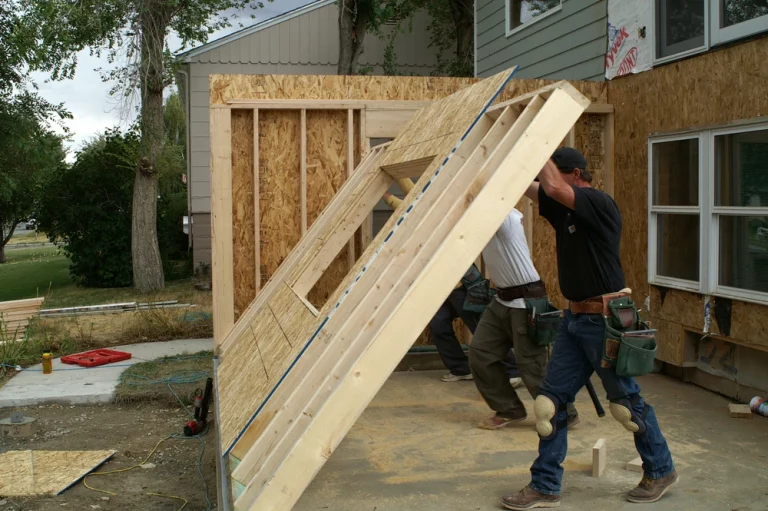
Covered back porch ideas on a budget can take advantage of the existing roof instead of adding another structure. Focus on the protected space you already have with seating, lighting, ceiling or wall finishes, outdoor curtains, rugs, and plants. If the ceiling or roof structure is unfinished but sound, cleaning and painting may provide more visual improvement than adding expensive decorative materials. Exposed beams or simple trim can also look intentional when surfaces are repaired and finished consistently. Do not hang heavy swings, chairs, fans, or planters from a porch ceiling unless the attachment point is designed to support the load. Decorative ceiling boards or thin framing members may not be adequate. Adding a new roof or extending an existing porch cover is a different type of project. Roof loads, posts, footings, flashing, drainage, wind resistance, and the connection to the house all matter. That work should be planned as construction rather than treated as a decorating upgrade.Can Paint Transform a Back Porch Economically?
Paint or stain can provide a large visual change for the cost, but surface preparation determines how long the result lasts. Clean the material first, repair loose or deteriorated areas, and use a coating appropriate for the surface and exposure. Possible projects include repainting trim, refreshing a solid wood bench, staining porch boards, repainting appropriate railings, or using an exterior stencil on a suitable concrete surface. Do not paint over rot, unstable coatings, or moisture damage. Those problems need to be corrected first. If the home was built before 1978 and you plan to scrape, sand, or otherwise disturb old painted porch surfaces, review EPA lead-safe renovation guidance for DIYers before beginning. Lead-containing paint can create hazardous dust when disturbed.Are DIY Pergolas and Trellises Really Budget Projects?
 A small freestanding trellis can be an economical landscaping or privacy feature. A pergola attached to a home or porch is more complicated because it must resist gravity, wind, weather, and movement over time.
If the project involves posts, footings, structural connections, roof-like framing, or attachment to the house, check local permit requirements before buying materials. The International Code Council’s consumer building-safety guidance explains why permit review helps identify code requirements before construction begins.
Do not attach a substantial overhead structure to an existing porch railing or decorative trim. If you are uncertain about the framing, foundation, or attachment method, have the design evaluated before construction.
For a truly low-budget upgrade, a freestanding garden trellis or lightweight privacy screen may provide the look you want without turning the project into structural construction.
Can You Add a Fire Pit to a Back Porch?
A fire pit should not be treated as ordinary porch décor. Open flames need separation from the house, porch, deck, railings, furniture, roofing, and other combustible materials. The U.S. Fire Administration says grills should not be used or stored on a porch or balcony and recommends keeping fire pits, outdoor fireplaces, and similar fire features at least 10 feet from the home or anything that can burn. Review its outdoor fire-safety guidance and follow manufacturer instructions and local fire restrictions. That means the better budget idea is often to create a separate fire-pit seating area in an appropriate part of the backyard rather than placing open flame on a covered porch. Avoid improvised fuel-burning products or homemade fire features. If you want heat on a covered porch, use only equipment specifically listed and approved for that location and installation, and follow clearance and ventilation requirements.How Can You Create a Beautiful Backyard on a Budget Around the Porch?
Beautiful backyards on a budget often come from connecting several simple areas rather than completing one expensive makeover. The porch can serve as the main seating zone while inexpensive landscaping improves the surrounding view. Start with maintenance. Edge beds, remove weeds, prune overgrown plants, clean hard surfaces, repair damaged edging, and remove broken outdoor items. A tidy yard usually looks more intentional even before new materials are added. Then choose one or two projects such as:- A simple mulch or gravel garden path
- A small planting bed near the porch
- Solar pathway lights
- A compact seating area away from the porch
- Reused planters grouped near the steps
- A basic trellis with climbing plants
- Fresh edging around existing landscaping
- A designated storage spot for hoses, toys, or gardening supplies