What Waste Does a Home Office Remodel Create?
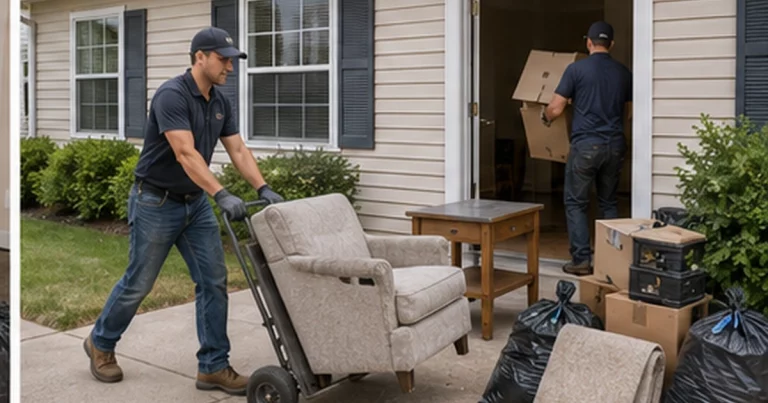
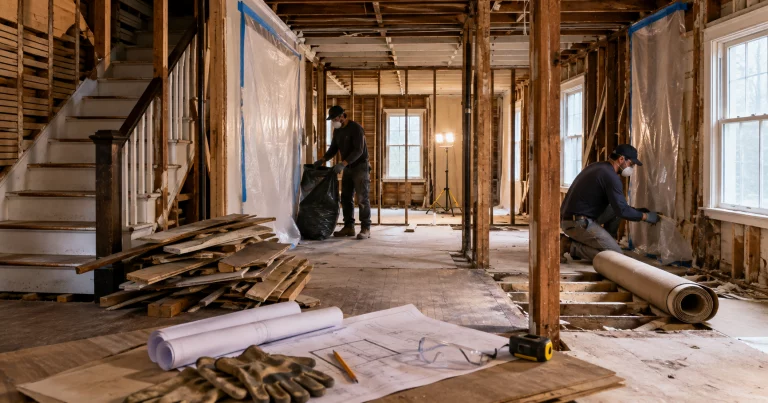
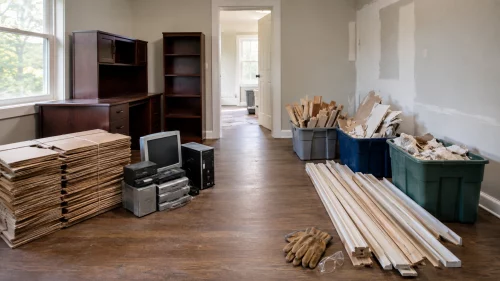 Home office renovation waste depends on how much of the room is changing. A basic refresh may create cardboard, old furniture, carpet, shelving, light fixtures, and paint supplies. A larger remodel can add drywall, insulation, flooring, trim, doors, windows, cabinetry, wiring components, and other construction debris.
Common materials include:
- Old desks, chairs, bookshelves, and filing cabinets
- Carpet, padding, laminate, hardwood, or other flooring
- Drywall and plaster
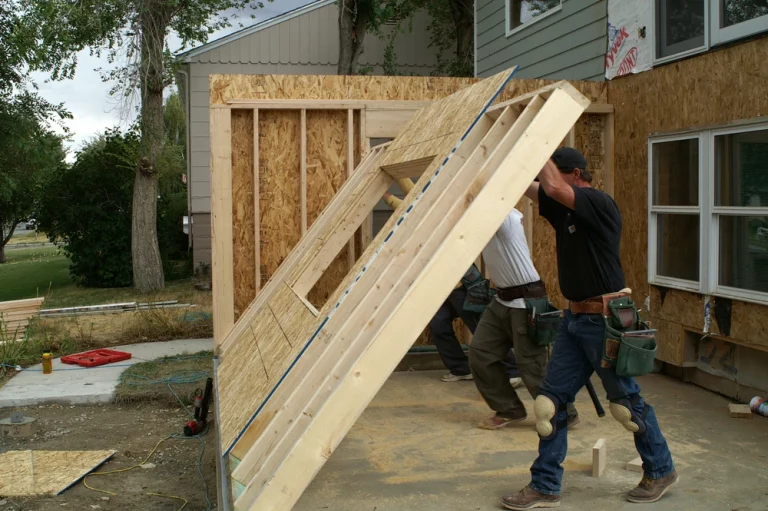
- Wood trim, shelving, and framing scraps
- Cabinets and built-in storage
- Glass from doors, shelving, or decorative panels
- Metal hardware and shelving components
- Computers, monitors, printers, cables, and other electronics
- Batteries and power supplies
- Paint, stain, adhesives, cleaners, and solvents
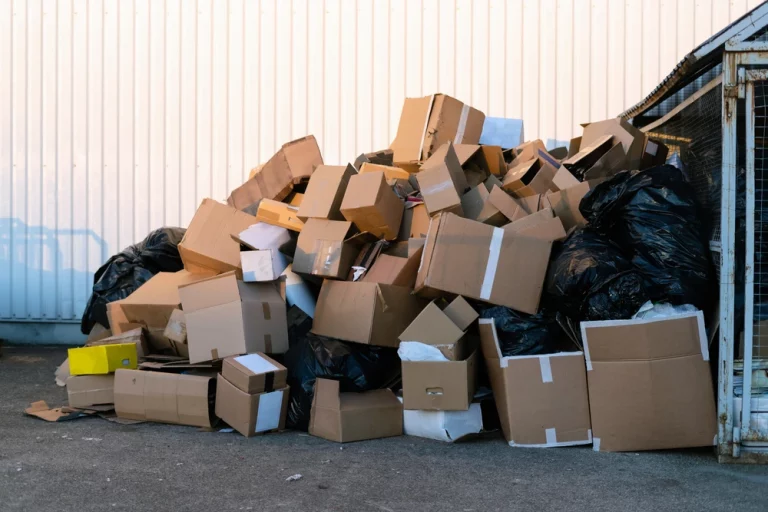
- Cardboard and plastic packaging
- General household clutter uncovered during the remodel
Start With a Waste Plan Before Demolition
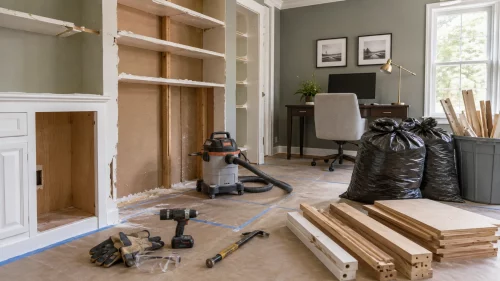 Walk through the office and decide what is staying, what can leave before construction, and what debris the remodel will create.
Use separate categories for keep, donate or sell, recycle, special handling, and approved debris. This follows the same basic idea the EPA recommends for construction and demolition materials: reduce waste first, then salvage and reuse materials when practical before relying on recycling or disposal.
Waste Removal USA’s construction debris removal guide can help you think through common renovation materials before work starts.
Clear personal belongings and important documents out of the room first. A remodeling project is a poor time to sort tax records, client files, family papers, or irreplaceable items while dust and debris are being generated.
What Should You Reuse Before Throwing Anything Away?
Reuse is often the easiest way to reduce home office remodel waste. Before removing shelves, cabinets, doors, hardware, or furniture destructively, decide whether any of it can work in the remodeled office or elsewhere in the home. A solid desk may only need refinishing. Bookcases can move to a bedroom, basement, or garage. Cabinet hardware can be reused. A door that no longer fits the new design may still be useful elsewhere. The EPA encourages deconstruction and salvage because carefully removing reusable building components can keep valuable materials in service instead of immediately turning them into demolition debris. Items worth considering for reuse include:- Desks and tables
- Office chairs
- Shelving
- Filing cabinets
- Doors and hardware
- Built-in cabinets
- Solid wood trim
- Usable flooring
- Light fixtures
- Storage bins
- Corkboards and whiteboards
Can Home Office Furniture Be Donated?
Furniture in usable condition may have donation, resale, or reuse potential. Desks, shelving units, office chairs, cabinets, lamps, and storage furniture are better candidates when they are clean, structurally sound, complete, and safe to use. Contact the receiving organization before loading anything. Donation rules change by location, and some organizations will not accept large desks, damaged particleboard furniture, upholstered items, or assembled office systems. Do not treat donation as another disposal method. Broken, heavily stained, mold-damaged, incomplete, or unsafe furniture may not be appropriate to donate.How Should You Handle Computers and Other E-Waste?
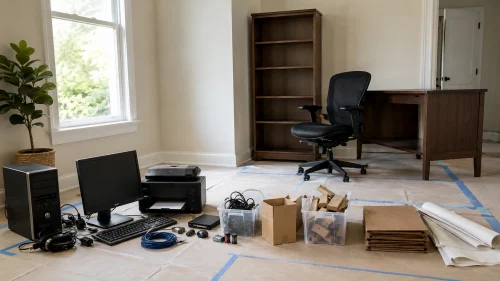 Electronics should be separated from ordinary renovation debris. Computers, monitors, printers, routers, phones, backup power supplies, keyboards, and other equipment may contain valuable recoverable materials and can also contain components that require different handling.
The EPA recommends donating or recycling electronics through appropriate programs and advises removing personal information before a computer or device changes hands. Batteries may need to be removed and recycled separately.
Before recycling or donating office electronics:
- Back up any files you need.
- Remove personal, business, and client data using an appropriate data-erasure method.
- Remove batteries when the manufacturer or recycling program instructs you to do so.
- Check local e-waste rules and accepted materials.
- Use a manufacturer, retailer, municipal, or established electronics recycling program where available.
How Do You Dispose of Drywall, Flooring, and Construction Debris?
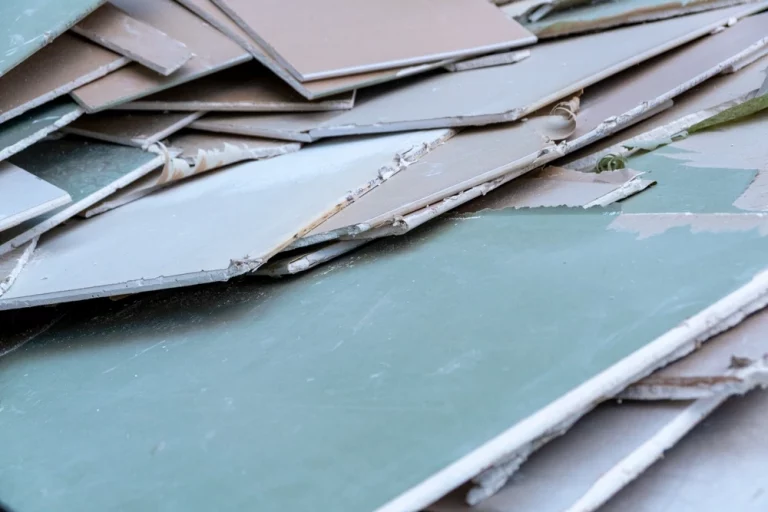
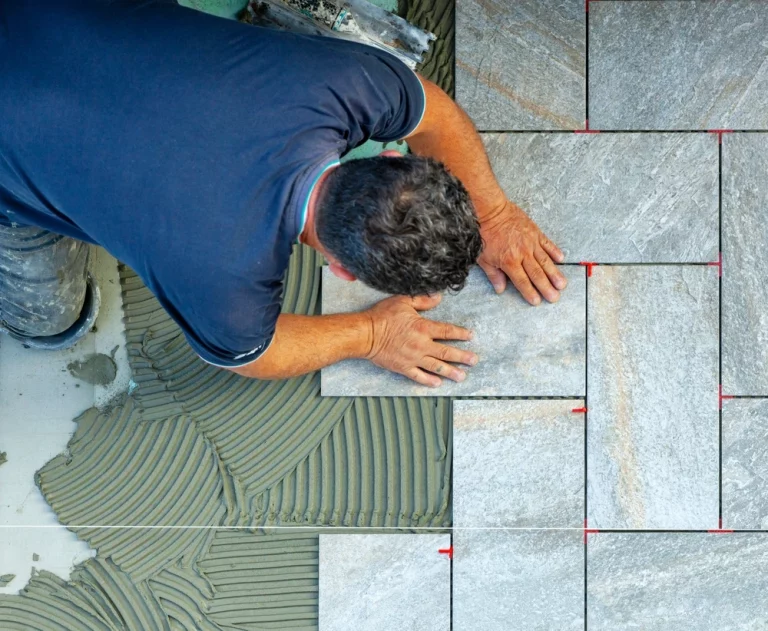
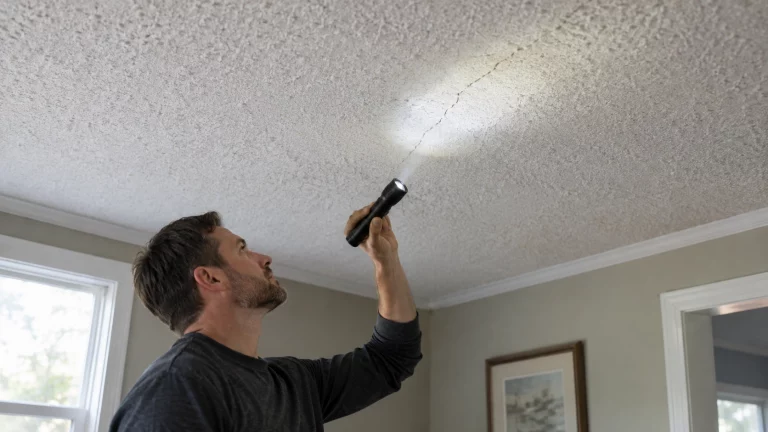
Drywall, flooring, trim, and broken building materials are common sources of home office demolition debris. Keep them separate from electronics, chemicals, batteries, and reusable household items. If the remodel involves drywall removal, Waste Removal USA’s guide to disposing of drywall and plaster waste explains why local rules and material condition matter. Flooring needs to be identified before disposal. Laminate, carpet, hardwood, vinyl, tile, and underlayment are not interchangeable materials. Some may have reuse or recycling potential, while others will be treated as ordinary renovation debris. Older flooring and adhesives deserve extra caution. If the home contains suspect asbestos-containing flooring, backing, adhesive, insulation, or other material, do not sand, grind, cut, or tear it up until it has been properly evaluated. In homes built before 1978, painted trim, walls, doors, or built-ins may also contain lead-based paint. Renovation can create hazardous lead dust, so use lead-safe work practices rather than treating painted demolition material like ordinary dust-producing debris.What Should You Do With Paint, Solvents, Adhesives, and Batteries?
Paints, solvents, cleaners, adhesives, pesticides, batteries, and similar products should be identified before the remodel starts. Some leftover household products may qualify as household hazardous waste because they can be toxic, corrosive, ignitable, or reactive. Do not pour unwanted paint, solvents, cleaners, or chemicals down a drain, onto the ground, or into a storm sewer. Check the product label and local household hazardous waste program for instructions. Keep chemicals in their original labeled containers when possible. Do not combine leftovers to save space. Mixing incompatible products can create heat, fumes, fire, or other dangerous reactions. Batteries also need to be sorted by type. Lithium-ion batteries require different handling from many ordinary household materials and should be kept out of a mixed construction debris load. This is one reason a remodel benefits from having a clearly marked special-handling area away from the main debris pile.How Can You Reduce Waste When Buying Remodeling Materials?
Waste reduction begins before new materials arrive. Measure carefully and order reasonable quantities so the project does not produce unnecessary offcuts, unused boxes, and excess packaging. Choose standard material dimensions that fit the room when practical. Reuse existing doors, shelving, or cabinets if they still work with the new design. Ask suppliers whether unopened products can be returned and whether packaging, pallets, or other materials have return or recycling options. Keep usable cutoffs until the project is finished. Small pieces of trim, flooring, or wood may be useful for repairs or adjustments later in the remodel. Avoid opening every package at once. Damaged or incorrect materials are easier to return when they are still packaged properly. The goal is not to eliminate every scrap. It is to avoid creating waste unnecessarily and preserve useful material before it becomes part of the cleanup.How Should You Organize Waste During the Remodel?
 Keep the work area divided into simple zones. One area can hold reusable or donateable items, another can hold recycling, another can hold special-handling materials, and an on-site cleanup container or designated staging area can hold approved debris.
Do not let bags, boards, boxes, cords, and broken materials accumulate in the walking path. Maintain clear access between the office, exits, stairs, and the debris-loading area.
Sharp materials deserve special attention. Remove or bend over protruding nails where appropriate, keep broken glass controlled, and do not overload bags with sharp drywall, tile, or metal pieces.
Clean as each phase ends rather than waiting until the entire remodel is finished. A room that is kept reasonably clear makes it easier to spot tools, fasteners, damaged wiring, water leaks, and other problems before they become hidden.