

What Makes a Good Cheap Privacy Tree?
A good privacy tree needs more than rapid vertical growth. It should also produce enough foliage and branching to block the view you are trying to screen. Look at:- Mature height: How tall will the screen eventually become?
- Mature width: Will the trees still fit without crowding buildings, sidewalks, fences, or one another?
- Foliage density: Will the plant actually block sightlines?
- Evergreen or deciduous growth: Do you need privacy in January as well as July?
- Site requirements: Does the tree fit your sun, soil, drainage, and hardiness zone?
- Maintenance: Will it need constant shearing or corrective pruning?
- Pest and disease risk: Would planting one species in a long row create a single point of failure?
1. Green Giant Arborvitae: Best Overall Fast Evergreen Screen
Green Giant arborvitae is one of the strongest options when you want an affordable tree that fills space relatively quickly. University of Illinois Extension notes that Green Giant can grow about 2 feet or more per year and eventually exceed 50 feet if it is allowed to reach its natural size. Other extension references commonly list mature spreads around 12 to 18 feet. That makes it a good fit for:- Long backyard boundaries
- Large suburban lots
- Screening neighboring homes
- Tall evergreen backdrops
- Mixed privacy plantings
2. Norway Spruce: Excellent for Large Properties and Ohio Privacy
Norway spruce is a strong privacy and wind-screen tree where there is enough room for it to mature. University of Illinois Extension lists Norway spruce as hardy in USDA zones 3 through 7, with a mature height around 40 to 60 feet and a spread around 25 to 30 feet. It is used for screens and windbreaks and prefers full sun and moist, well-drained soil. For Ohio homeowners, that cold hardiness makes Norway spruce a more dependable large-screen option than warm-climate choices that can suffer winter injury. The main limitation is width. Norway spruce is not appropriate for a narrow side yard or a planting strip only a few feet wide. Use it where you want a substantial evergreen backdrop and have enough property for the tree to develop naturally.3. Eastern Redcedar: Tough, Native, and Useful on Difficult Sites
Eastern redcedar is actually a juniper, not a true cedar, but it is a useful native evergreen for privacy screens. University of Illinois Extension lists it as hardy in zones 4 through 9, typically reaching about 40 to 50 feet tall and 8 to 20 feet wide. It tolerates drought, alkaline soil, salt, and wind better than many landscape evergreens. Eastern redcedar works well where the site is sunny and conditions are less than perfect. It is especially useful for:- Rural and suburban boundaries
- Exposed locations
- Larger mixed screens
- Drier sites
- Properties where native plants are preferred
4. Eastern White Pine: Fast and Affordable for Very Large Yards
Eastern white pine can establish quickly and grow fast, making it attractive when a large property needs screening. It is also a very large tree. Extension sources describe mature white pines reaching roughly 50 to 80 feet or more, with substantial spread. This is not a tree to squeeze between a house and a property line. White pine is best for:- Acreage
- Deep backyards
- Large windbreak-style plantings
- Screens positioned far from buildings and pavement
5. American Arborvitae: Affordable, Familiar, and Available in Many Forms
American arborvitae is widely sold and has many cultivars, which makes it one of the easiest privacy plants to shop for at different price points and mature sizes. The species can become a large tree, but cultivars vary dramatically. That is why the cultivar name matters more than the word “arborvitae” on the tag. American arborvitae can work well for:- Traditional evergreen screens
- Smaller yards when a narrow cultivar is chosen
- Formal rows
- Mixed evergreen plantings
6. Emerald Green Arborvitae: Best Affordable Choice for Narrow Spaces, Not Maximum Speed
Emerald Green arborvitae is popular because it stays much narrower than Green Giant. Typical mature dimensions are around 10 to 15 feet tall and 3 to 4 feet wide, which makes it useful between houses or along narrower property lines. It is not one of the fastest-growing privacy trees. Extension guidance indicates that established plants may add only several inches of growth in a year, depending on conditions. Choose Emerald Green when width control matters more than getting a 20-foot screen as quickly as possible. For a small suburban yard, buying a correctly sized slower tree can be cheaper over the long term than buying a fast-growing giant and paying to prune it indefinitely.What About Hybrid Poplar for Very Fast Privacy?
Hybrid poplar and similar poplars are frequently promoted for extremely fast screening. They can grow quickly, but that does not make them the best permanent privacy tree. Penn State Extension describes hybrid poplar as a temporary planting in windbreak designs. Their guidance notes that fast-growing poplars can reach useful screening height quickly but should eventually be removed so they do not interfere with the permanent planting. Other poplars are also known for weak wood and disease problems. Hybrid poplar can make sense when:- You have a large property
- Seasonal privacy is acceptable
- You understand it is a temporary screen
- Permanent evergreens are being established behind it
Why Leyland Cypress Is Not a Top Ohio Privacy Tree
Leyland cypress is common in lists of fast-growing privacy trees, especially in the South. It is not one of my first choices for Ohio. Penn State Extension reported in 2026 that Leyland cypress can suffer winter injury and noted that this fast-growing hybrid is shallow-rooted and does not have the longevity of some other evergreen options. In warmer areas it may still be useful where site conditions fit. For Ohio and other colder Midwestern locations, Green Giant arborvitae, Norway spruce, eastern redcedar, or another locally appropriate evergreen is usually a more sensible starting point.Avoid Running Bamboo as a “Cheap Tree Alternative”
Bamboo can produce a screen quickly, but running bamboo can spread aggressively beyond the intended planting area. University of Maryland Extension specifically recommends avoiding invasive plants such as bamboo when designing privacy screens. If bamboo is being considered at all, identify the exact species, check state and local restrictions, and understand how it spreads before planting. Do not treat an inexpensive pot of bamboo as an automatically safe substitute for a row of trees. A mixed screen of properly sized trees and shrubs is usually easier to manage long term.Fast-Growing Trees in Ohio for Privacy
Ohio homeowners should choose trees based on the exact property rather than the state name alone. Hardiness can vary across the state, and the USDA recommends using its ZIP-code map to identify the zone for the planting site. Good candidates for many Ohio properties include:- Green Giant arborvitae for fast, tall evergreen coverage where there is room for its mature width
- Norway spruce for large yards and substantial year-round screening
- Eastern redcedar for sunny, exposed, or drier sites
- Eastern white pine for large properties with well-drained soil
- American arborvitae cultivars where a specific mature size is needed
- Emerald Green arborvitae for narrow spaces where moderate height is enough
How Much Do Privacy Trees Cost?
Privacy-tree cost depends heavily on the size of the plant when you buy it. Small seedlings and young transplants are usually the cheapest way to plant a long property line. Penn State Extension notes that seedlings are lowest in price but slower to become established, while container-grown and balled-and-burlapped trees cost more but provide a larger starting plant. That creates a simple tradeoff: Lower upfront cost: Buy smaller trees, plant them correctly, and wait longer for the screen to fill. Faster immediate coverage: Buy larger trees and pay more for each plant, delivery, and potentially installation. Current retail pricing can vary from small starter arborvitae around the $20 range to roughly $90 or more for larger container stock, with much larger landscape-size trees costing more. Local nursery pricing, sales, delivery, guarantees, and planting services can change the total substantially. When comparing cost, calculate the entire row rather than the price of one tree: number of trees × tree price + delivery + soil preparation + mulch + irrigation + installation A tree that needs twice as many plants per 100 feet may not be the cheapest screen even if the individual plant costs less.How Far Apart Should Privacy Trees Be Planted?
Spacing should be based on the mature width of the specific species and cultivar. Do not use one universal spacing number for every privacy tree. Crowding young trees may create the appearance of instant privacy, but it also increases competition for light, water, root space, and nutrients. University of Maryland Extension warns that crowded screen plants can decline over time. A better approach is to determine:- Mature width of the exact cultivar
- How quickly you need the row to visually close
- Whether you are planting one row or staggered rows
- How much pruning you are willing to do
- Distance from structures and property improvements
Check Property Lines and Underground Utilities Before Planting
Before digging a row of tree holes, verify where the property line actually is and check for easements, fences, drainage features, and local planting restrictions. Contact 811 before digging so public underground utilities can be marked according to the process in your state. Also look up. Do not plant a tree that may mature 50 feet tall directly beneath overhead utility lines. A cheap tree becomes expensive if it requires repeated utility pruning or premature removal. Keep mature root and canopy size in mind around foundations, pavement, retaining walls, drainage systems, septic components, and neighboring property.How to Keep Cheap Privacy Trees Alive After Planting
The least expensive privacy tree is the one you only have to buy once. Newly planted trees need consistent moisture while roots become established. University of Minnesota Extension recommends watering at planting and providing frequent follow-up watering during the first weeks, then gradually reducing frequency as roots establish. Soil, rainfall, weather, and tree size affect how much water is actually needed. A few planting basics matter:- Plant at the correct depth with the root flare visible
- Use native backfill soil unless site-specific guidance indicates otherwise
- Water the root zone thoroughly
- Apply a broad layer of mulch, generally no more than about 3 inches deep
- Keep mulch away from the trunk
- Monitor soil moisture rather than watering blindly
- Avoid unnecessary fertilizer unless a soil test or plant need supports it
Clear the Planting Area Before the Trees Arrive
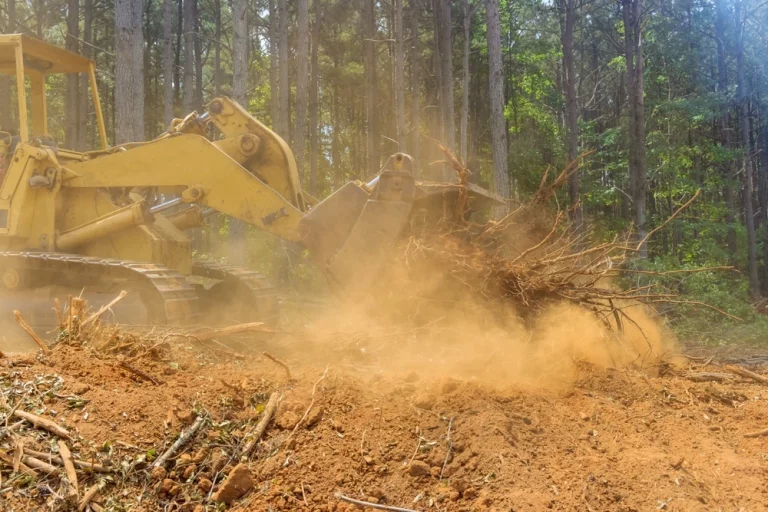
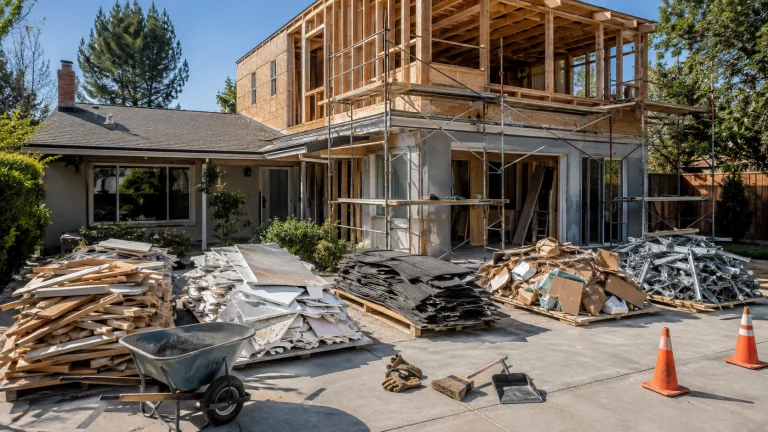
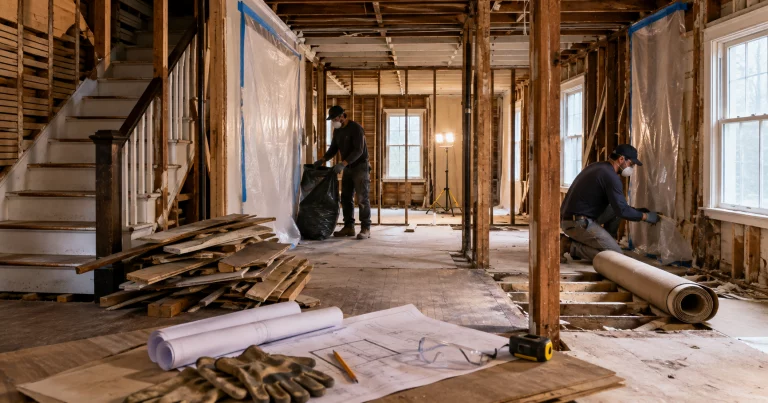
Privacy projects often start with removing old shrubs, dead trees, fence sections, landscape rock, roots, or years of yard debris. Do that work before delivery day so new trees are not sitting above ground while you are still clearing the row. Waste Removal USA has guides covering yard debris removal, tree limb removal, and landscape rock removal when site preparation generates material that needs to leave the property. If the work produces substantial brush or vegetation, review the available yard waste cleanup options before cutting everything down. Do not remove large trees near buildings or utility lines without qualified professional help.Buy for the Mature Tree, Not Just the Sale Price
Cheap fast-growing privacy trees are a good value only when they fit the property after they mature. Green Giant arborvitae provides fast evergreen coverage for roomy sites. Norway spruce and eastern white pine work better on larger properties. Eastern redcedar handles tougher sunny locations, while narrower arborvitae cultivars make more sense where every foot of yard matters. Avoid choosing a tree only because the tag promises rapid growth. Check mature width, hardiness, drainage, utilities, deer pressure, and long-term maintenance first. Once the site is cleared and the right trees are selected, Waste Removal USA can help with accepted yard debris from the preparation work so the planting area is ready when the new privacy screen arrives.Do You Like Waste Removal USA Blogs? Add us to your Google Preferred Resources list and stay up to date on our latest post!
Choose Waste Removal USA as a Preferred Source to see more of our fresh, relevant articles in Google Top Stories and help WRUSA stand out in your everyday feed. Click below to keep our latest waste removal tips and insights easier to find.
Frequently Asked Questions About Cheap Privacy Trees
Find answers to common questions






©2026 Waste Removal USA, Waste Removal USA LLC, and wasteremovalusa.com All Rights Reserved