Junk Removal

A Plan for Cleaning a Neglected House

Benjamin Ehinger Benjamin Ehinger Benjamin Ehinger is a Florida-based content writer with 18 years of experience, specializing in dumpster rental and waste removal industry content. His strong research skills allow him to present clear, practical information on topics like pricing, container sizing, and job planning. 4 min read
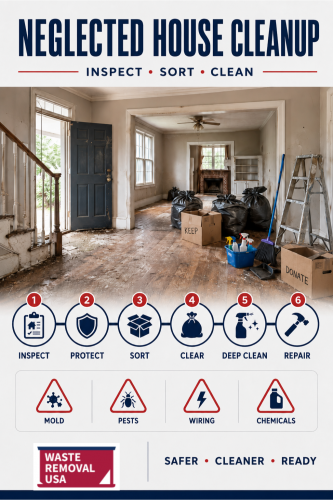
Cleaning a neglected house is easier when you treat it like a project, not a normal cleaning session. A neglected house may include old furniture, trash, pests, dust, odors, moisture damage, broken glass, leftover chemicals, or rooms that have not been used safely in years. The safest plan is to inspect first, remove hazards, sort everything by destination, then clean one room at a time. These abandoned house cleaning tips also apply if you inherited a property, bought a fixer-upper, are clearing out an old home, or need to prepare a house for repairs. Cleaning a Neglected House

1. Inspect Before You Touch Anything
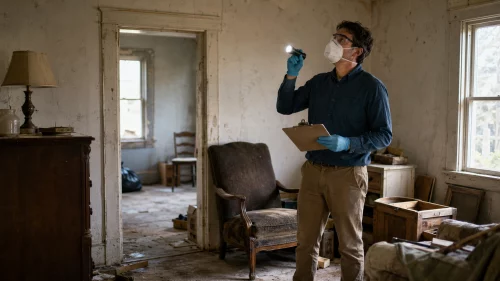
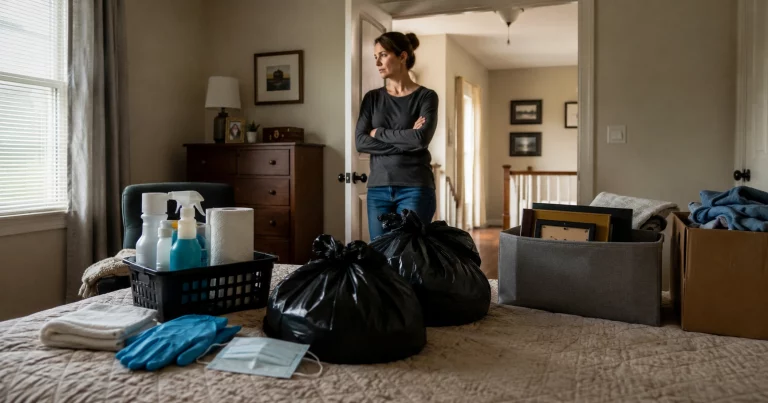
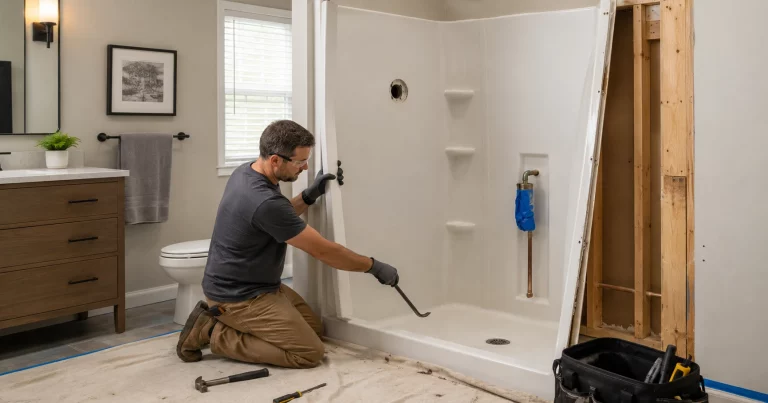
Initial-Safety-Inspection Before cleaning an abandoned house, walk through carefully. Look for roof leaks, standing water, mold, rodent droppings, weak floors, exposed wiring, gas smells, sewage backup, chemicals, needles, broken windows, and unstable ceilings. If you find major mold, sewage, structural damage, or electrical hazards, stop and bring in the right professional. CDC mold cleanup guidance recommends protective gear such as an N95 respirator, gloves, boots, and protective clothing when working around mold. CDC rodent cleanup guidance also recommends ventilating the space before cleanup and spraying urine or droppings with disinfectant before removal instead of sweeping or vacuuming dry material.

2. Make a Sorting and Disposal Plan
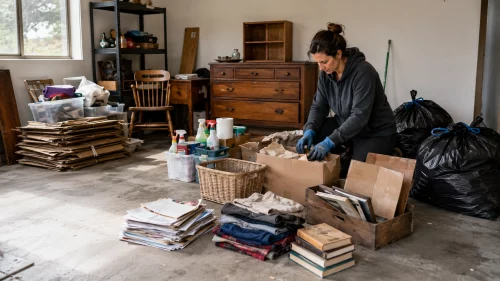
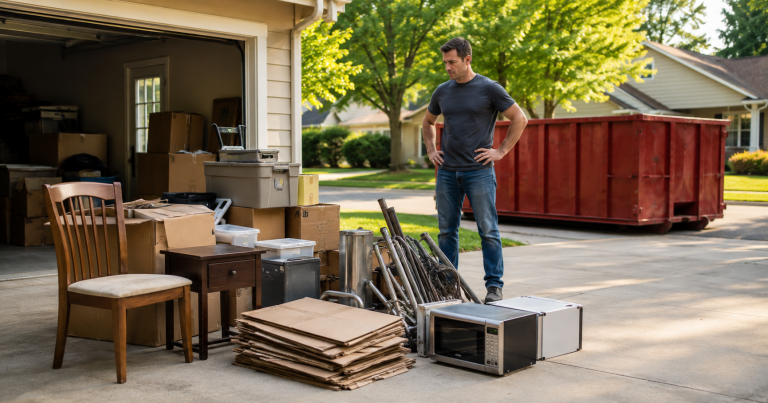
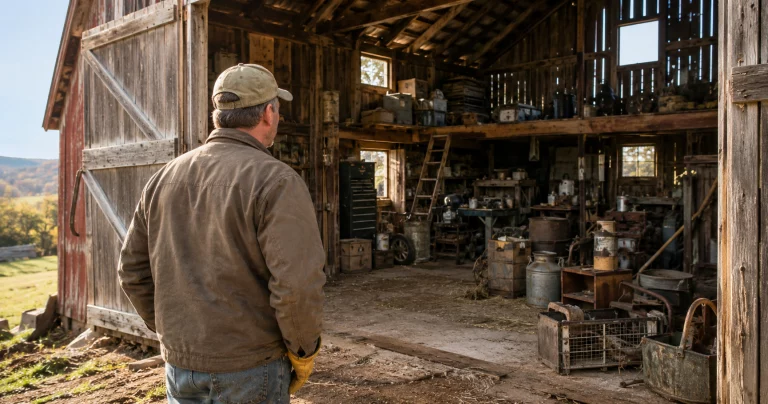
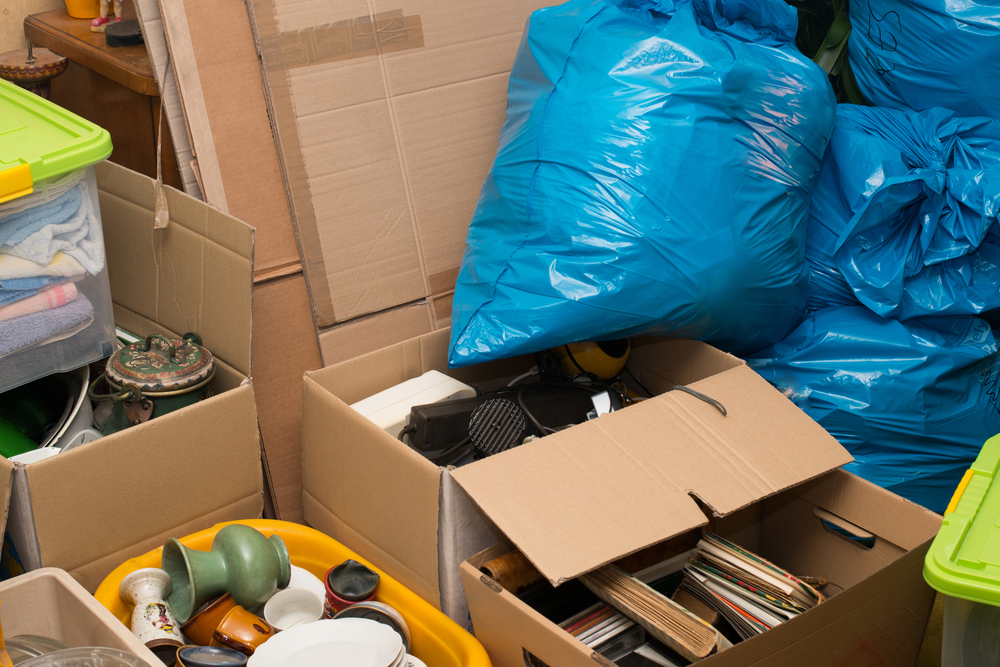
Sorting-Old-Home-Contents Clearing out old home contents goes faster when every item has a destination. Set up categories before the house is emptied:
  • Keep
  • Donate
  • Sell
  • Recycle
  • Special handling
  • Trash
  • Unsure
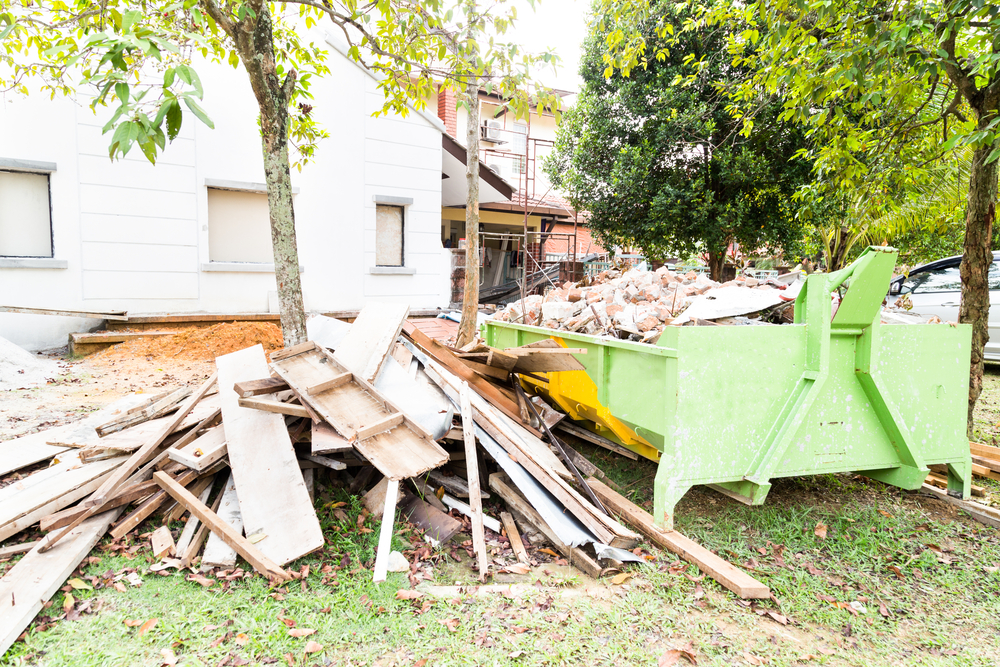
This matters because a neglected house often contains more than normal household trash. Paint, pesticides, fuel, batteries, cleaners, old electronics, and unknown containers may need special handling. EPA household hazardous waste guidance says leftover products that can ignite, react, explode, corrode, or become toxic should not be mixed, poured down drains, dumped on the ground, or sent into storm sewers. For large volumes of debris, plan an on-site debris container or another approved disposal method before cleanup begins. Our guide to preparing for property cleanouts can help you organize the job before piles take over the driveway.

3. Gather the Best Tools for Abandoned House Cleanup

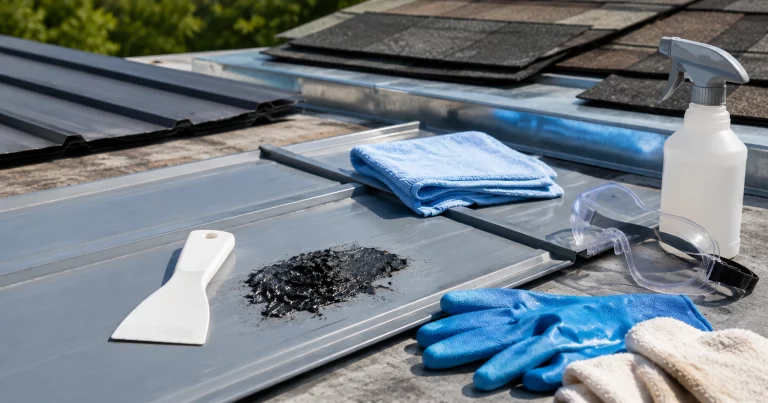
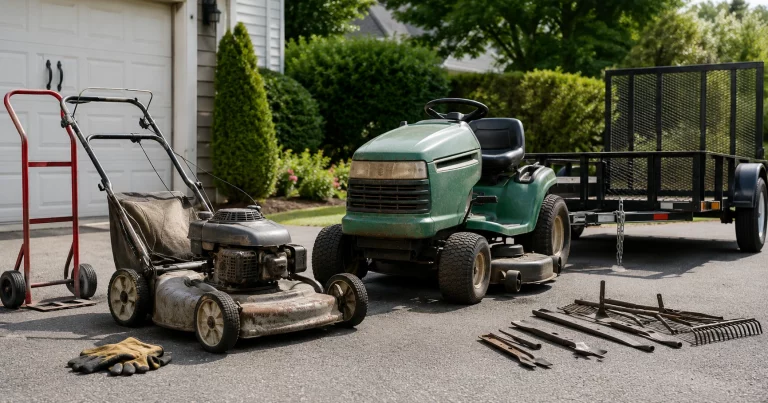
The best tools for abandoned house cleanup protect you and keep the work moving. Bring heavy-duty gloves, safety glasses, an N95 respirator or appropriate mask, long sleeves, heavy-duty trash bags, plastic bins, tape, marker, flashlight, broom, dustpan, mop, buckets, scrub brushes, disinfectant, basic hand tools, and a first-aid kit. Avoid using a regular household vacuum on rodent droppings, heavy dust, or questionable debris. It can spread particles into the air. For contaminated areas, follow health guidance or call a cleanup professional.

4. Empty One Room at a Time

Cleaning a neglected house becomes overwhelming when every room is torn apart at once. Start with safe access paths, then move room by room. Remove items in this order:
  1. Trash and spoiled items
  2. Hazardous or questionable items
  3. Donate or reuse items
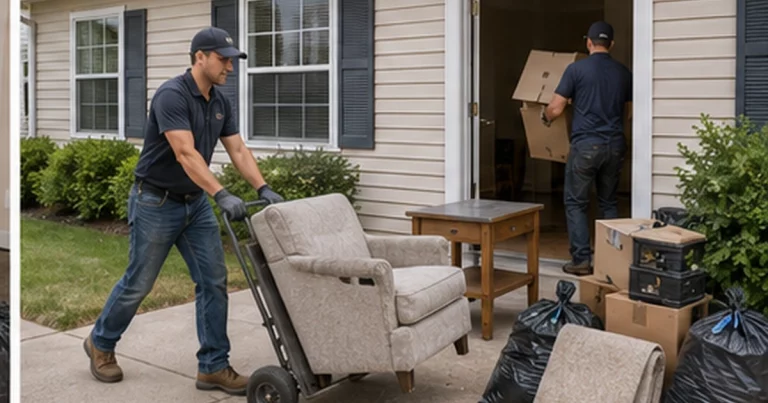
  4. Furniture and bulky pieces
  5. Items to keep
  6. Final sweep and surface cleaning
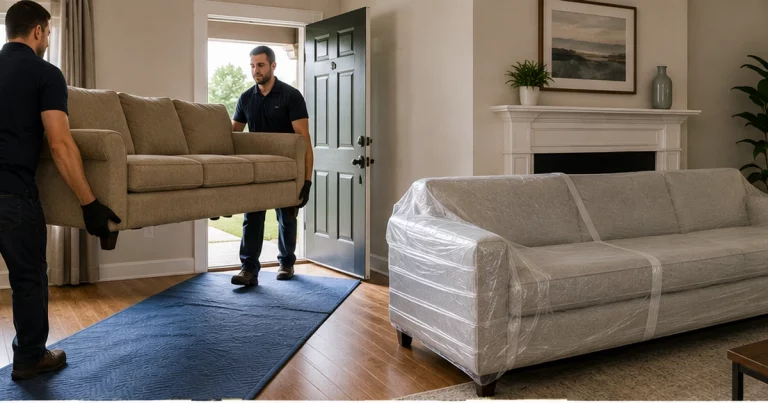
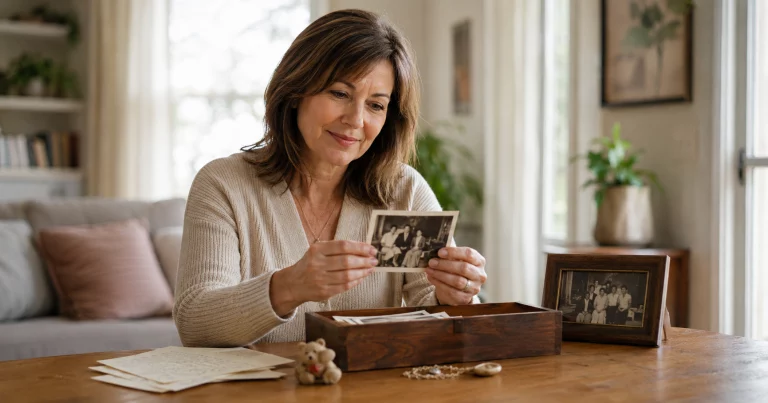
Save paperwork, valuables, and sentimental items for a separate sorting pass. If the cleanup includes renovation debris, see construction debris removal. If old appliances are involved, refrigerator disposal may also apply.

5. Clean From Top to Bottom

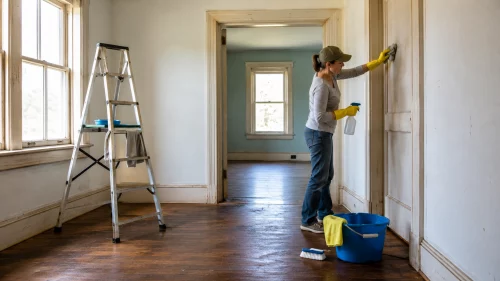
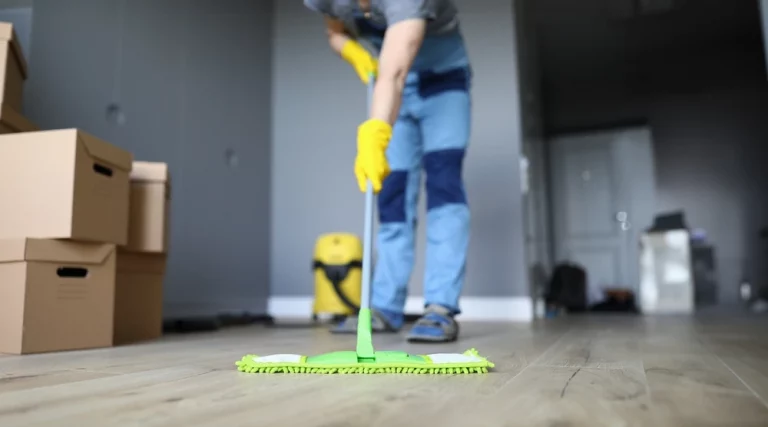
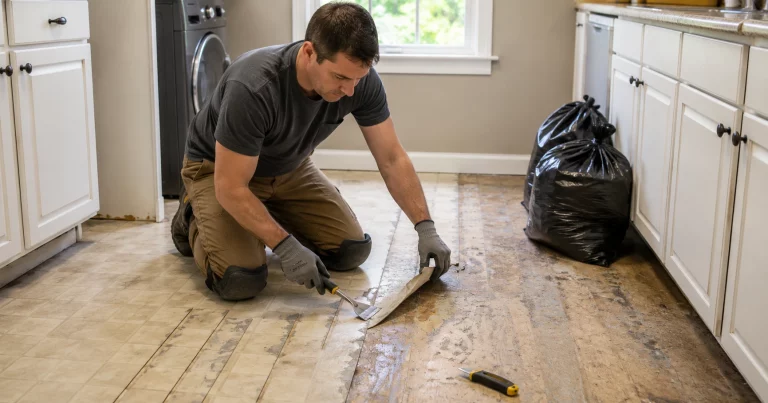
Cleaning-Room-by-Room Once a room is cleared, clean from top to bottom. Start with ceilings, fans, light fixtures, shelves, walls, cabinets, counters, baseboards, and floors. This prevents you from cleaning the floor twice. Kitchens and bathrooms may need extra attention because food residue, moisture, drains, and old plumbing can create odors and pests. If water damage or mold is present, do not cover it with paint or flooring until the source is fixed.
6. Repair Before Refilling the House

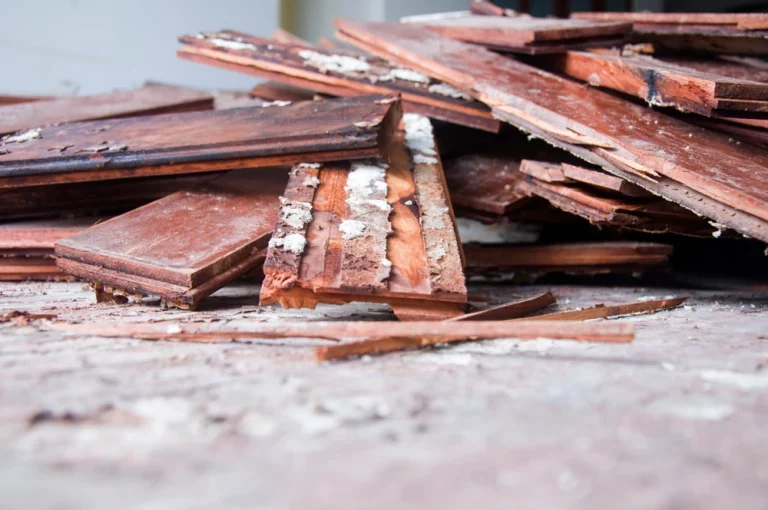
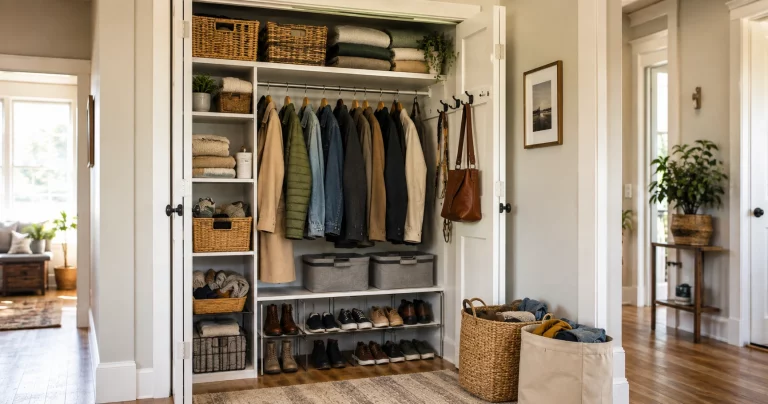
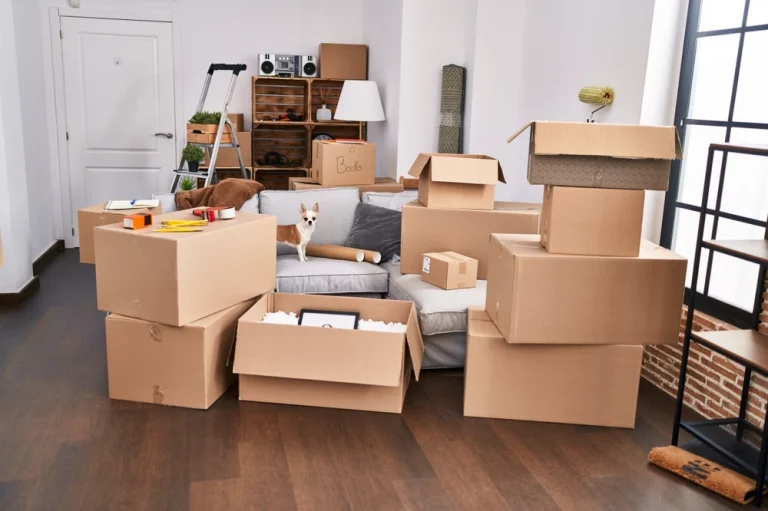
After the cleaning is complete, inspect the empty rooms again. A clean neglected house may reveal damaged subfloors, leaks, pest entry points, cracked windows, missing trim, or unsafe outlets. Make repairs before moving furniture back in. If you refill the house too quickly, you may cover up the problems that caused the neglect in the first place. For a larger reset, see our home cleanouts guide.

A Cleaner House Starts With a Safer Plan

Cleaning a neglected house is not just about scrubbing harder. It is about working in the right order: inspect, protect yourself, sort, remove debris, clean room by room, and repair what the empty house reveals. With the right tools, a clear disposal plan, and a steady room-by-room process, even a neglected house can become safe, clean, and ready for its next stage.

Frequently Asked Questions

Find answers to common questions